Best Simple Lifestyle Changes for Better Physical and Mental Health
In our fast-paced world, achieving better health often feels overwhelming. However, meaningful improvements in physical and mental wellbeing frequently come from small, consistent lifestyle changes rather than dramatic overhauls. These simple adjustments, when practiced regularly, can lead to significant benefits including higher energy levels, improved mood, better sleep, stronger immunity, and reduced risk of chronic diseases. The beauty of these changes lies in their accessibility — they require minimal time, money, or equipment, making them sustainable for most people.
Here are some of the most effective, evidence-based lifestyle modifications you can start implementing today for noticeable results in both body and mind.
1. Prioritize Quality Sleep
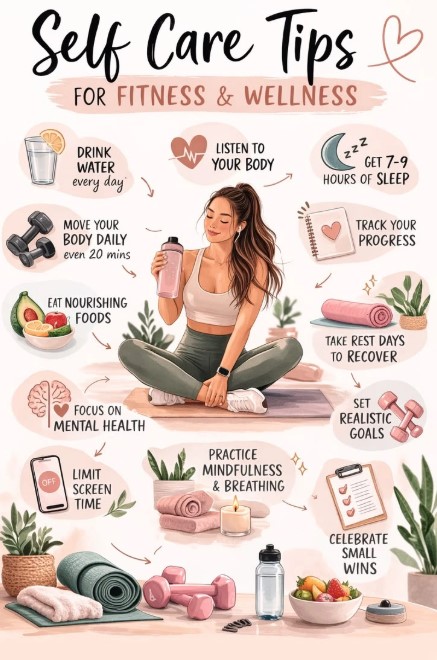
Sleep is the foundation of good health. Most adults need 7–9 hours of quality sleep nightly. Poor sleep affects everything from cognitive function and emotional regulation to metabolism and immune response.
Simple Changes:
- Maintain a consistent sleep schedule, even on weekends.
- Create a calming bedtime routine: dim lights, avoid screens one hour before bed, and practice relaxation techniques like reading or gentle stretching.
- Keep your bedroom cool (16–18°C), dark, and quiet.
- Limit caffeine after 2 PM and avoid heavy meals close to bedtime.
Better sleep enhances mental clarity, emotional stability, and physical recovery. Many people notice improved mood and concentration within just one week of better sleep habits.
2. Move Your Body Daily
Regular physical activity is one of the most powerful tools for both physical and mental health. You don’t need intense gym sessions — consistent daily movement delivers excellent results.
Simple Changes:
- Aim for at least 30 minutes of moderate activity daily. This can be a brisk walk, cycling, yoga, or dancing.
- Incorporate movement into your routine: take stairs instead of elevators, walk during phone calls, or do desk stretches.
- Try “exercise snacks” — short 5–10 minute bursts of activity throughout the day.
Daily movement reduces stress hormones, boosts endorphins, improves cardiovascular health, and enhances brain function. Even light activity like walking has been shown to reduce symptoms of anxiety and depression.
3. Practice Mindful Eating and Stay Hydrated
What and how you eat significantly impacts both physical vitality and mental wellbeing.
Simple Changes:
- Eat slowly and mindfully, without distractions like phones or television.
- Include a variety of colorful vegetables, fruits, whole grains, healthy fats, and protein in every meal.
- Drink adequate water — aim for 3–4 liters daily, adjusting for activity and climate.
- Start your day with a glass of water and keep a bottle nearby.
Proper hydration supports concentration, mood regulation, and physical performance. Mindful eating helps prevent overeating and improves digestion while fostering a healthier relationship with food.
4. Incorporate Daily Mindfulness or Meditation
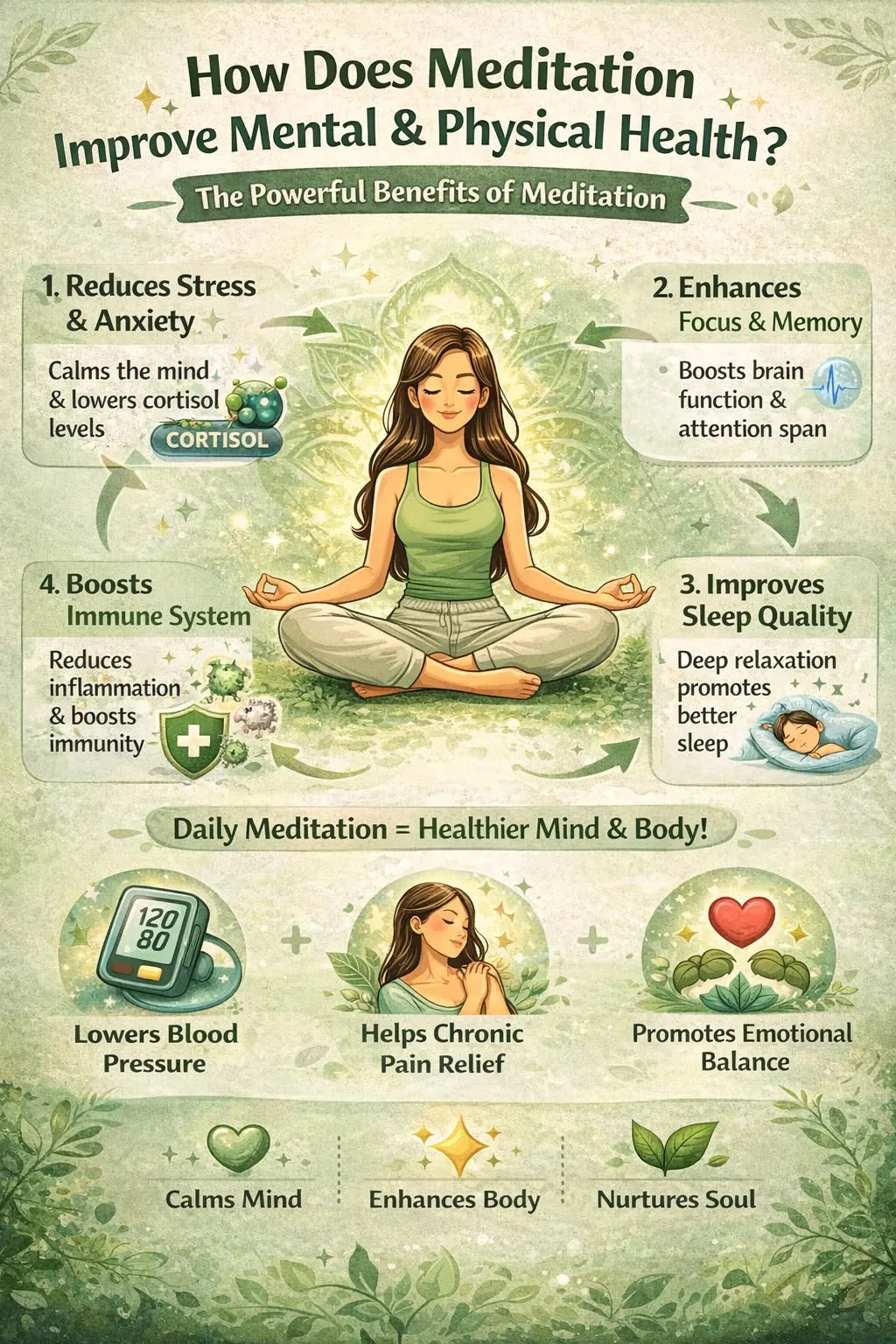
Mental health benefits greatly from even brief mindfulness practices. These techniques reduce stress, improve emotional regulation, and enhance focus.
Simple Changes:
- Practice 5–10 minutes of meditation or deep breathing daily, ideally in the morning or before bed.
- Try the “4-7-8” breathing technique: inhale for 4 seconds, hold for 7, exhale for 8.
- Practice gratitude by noting three things you’re thankful for each day.
- Spend time in nature — even 10–15 minutes outdoors can reduce cortisol levels.
Regular mindfulness practice has been linked to lower anxiety, better sleep quality, and improved resilience to life’s challenges.
5. Strengthen Social Connections
Strong relationships are vital for mental and emotional health. Humans are social beings, and meaningful connections provide support, reduce loneliness, and boost happiness.
Simple Changes:
- Schedule regular catch-ups with friends and family, even if virtual.
- Join community groups, hobby clubs, or volunteering activities aligned with your interests.
- Practice active listening and express appreciation to loved ones regularly.
- Limit superficial social media use and prioritize face-to-face or meaningful digital interactions.
Nurturing relationships can lower stress levels, improve self-esteem, and contribute to longer, healthier lives.
6. Reduce Screen Time and Digital Overload
Excessive screen time negatively affects sleep, posture, eyesight, and mental wellbeing. Creating healthy digital boundaries is essential.
Simple Changes:
- Set specific times to check emails and social media rather than constant scrolling.
- Implement a “no screens” rule one hour before bedtime.
- Replace some screen time with reading physical books, hobbies, or outdoor activities.
- Use blue-light filters and take regular eye breaks during work (the 20-20-20 rule: every 20 minutes, look 20 feet away for 20 seconds).
Reducing digital overload often leads to better sleep, improved focus, and more time for fulfilling activities.
7. Spend Time in Nature Regularly
Nature exposure, often called “green therapy,” has profound effects on both physical and mental health.
Simple Changes:
- Take a 20–30 minute walk in a park or green space daily.
- Practice “earthing” by walking barefoot on grass when possible.
- Bring plants indoors and open windows for fresh air and natural light.
- Plan weekend activities in natural settings like forests, beaches, or mountains.
Time in nature reduces stress hormones, improves mood, boosts vitamin D levels, and enhances cognitive function.
Making These Changes Sustainable
The key to success is starting small and building gradually. Choose 2–3 changes to focus on for the first two weeks, then add more as they become habits. Track your progress in a simple journal to stay motivated. Remember that consistency matters more than perfection — occasional slip-ups are normal and should not discourage you.
Listen to your body and adjust these practices according to your age, health conditions, and lifestyle. Consult healthcare professionals before making significant changes, especially if you have existing medical conditions.
The Compound Effect
These simple lifestyle changes create powerful compound effects over time. Better sleep improves mood and energy, which makes exercise easier. Regular movement reduces stress, making mindfulness more effective. Improved nutrition and hydration enhance cognitive function and emotional stability. Together, these habits create a positive cycle that supports long-term physical and mental wellbeing.
Small daily improvements lead to remarkable transformations. Many people report feeling more energetic, focused, and emotionally balanced within just 30 days of adopting these practices consistently.
Investing in these simple changes is one of the most valuable things you can do for yourself. By making thoughtful adjustments to your daily routine, you can significantly enhance your quality of life, prevent health issues, and build greater resilience for the future. Start today with one small change, and let the positive momentum build naturally.
Your health journey doesn’t require perfection — it requires consistent, compassionate effort. Embrace these simple practices, and you’ll likely discover not just better health, but a more balanced, fulfilling way of living.
Read more – trendopr.com