E20 Petrol Explained: Everything Drivers Should Know About E20 Fuel, Prices, and Daily Use
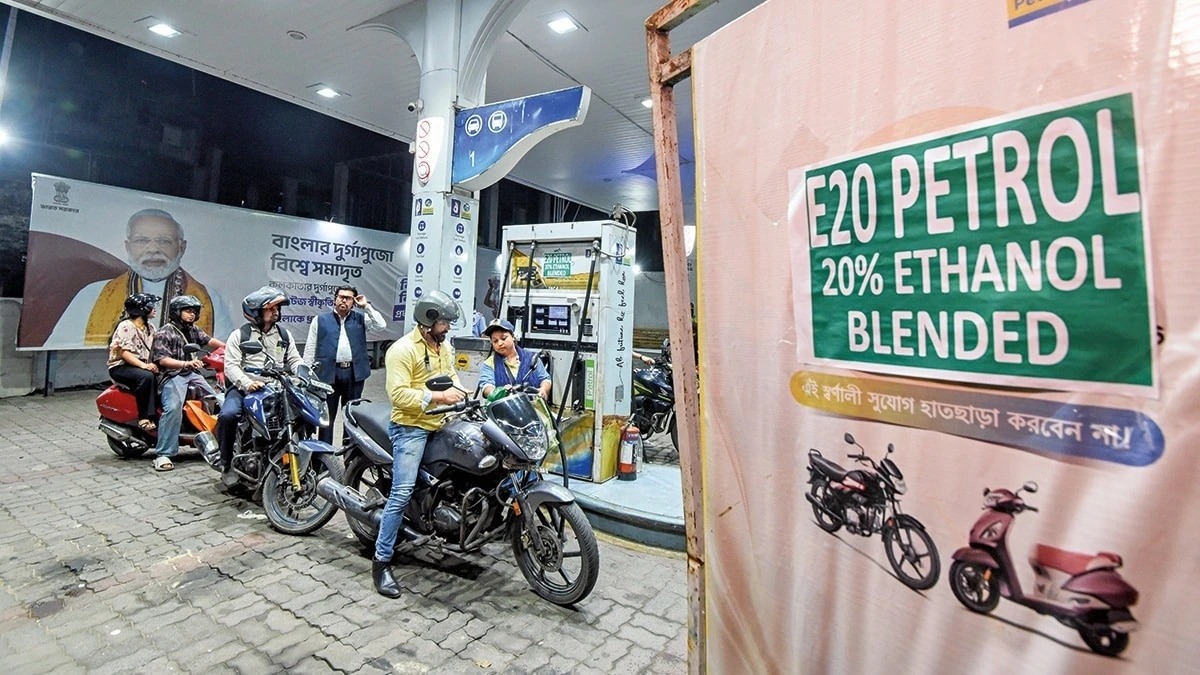 Understanding E20 Petrol
Fuel keeps changing, even if most people never notice those changes immediately. One of the biggest updates in recent years has been the arrival of e20 petrol, which blends traditional petrol with twenty percent ethanol. The remaining eighty percent is regular gasoline, making it a cleaner alternative without completely replacing conventional fuel.
Many countries have started promoting ethanol-blended fuel because reducing dependence on imported crude oil has become an important goal. At the same time, governments also want to reduce vehicle emissions without forcing everyone to purchase electric cars overnight. That is exactly where this fuel fits into the bigger picture. It offers a practical transition instead of demanding a sudden change from millions of drivers.
What Makes E20 Fuel Different
The biggest difference with e20 fuel is the percentage of ethanol mixed into the gasoline. Earlier blends often contained ten percent ethanol, but the new version doubles that amount. Ethanol itself is usually produced from crops like sugarcane, corn, or other agricultural materials.
This renewable component burns differently inside an engine compared to pure gasoline. Many modern vehicles have already been designed or updated to support higher ethanol blends without causing serious issues. Older vehicles, however, may require a quick check in the owner’s manual before making the switch. Manufacturers usually provide clear guidance regarding fuel compatibility, making the process much simpler than many people expect.
Why Governments Support Ethanol Blends
Fuel policies are rarely introduced without a long-term reason behind them. Ethanol blending helps countries reduce oil imports, improve energy security, and support local farmers by creating demand for agricultural products. Those benefits reach beyond the automobile industry.
Less imported crude oil also means reduced pressure on foreign exchange reserves. Domestic ethanol production creates employment opportunities across farming, transportation, and processing industries. While this solution cannot solve every environmental challenge, it contributes toward lowering carbon emissions over time. That combination of economic and environmental advantages explains why governments continue expanding ethanol blending programs.
Engine Compatibility Matters
Not every vehicle responds to ethanol blends in exactly the same way. Most cars manufactured during the last few years have been engineered to operate safely using E20-compatible systems. Fuel lines, seals, injectors, and engine calibration have gradually improved to handle higher ethanol content.
Drivers using older motorcycles, scooters, or cars should verify manufacturer recommendations before filling their tanks. Some older engines were designed when lower ethanol percentages were standard. Using incompatible fuel continuously may eventually affect rubber components or fuel system efficiency. Checking compatibility only takes a few minutes but can prevent unnecessary maintenance expenses later.
Performance Expectations on the Road
Many people immediately wonder whether higher ethanol content reduces engine performance. The answer depends on the specific vehicle and driving conditions. In normal city driving, most drivers notice very little difference in acceleration or engine behavior.
Ethanol contains slightly less energy than conventional gasoline. Because of that, fuel economy can decrease a little under certain conditions. The difference usually remains small enough that everyday commuters rarely notice dramatic changes. Proper engine tuning and manufacturer-approved fuel systems help maintain smooth performance even with higher ethanol blends.
Understanding e20 petrol price
One common question concerns the e20 petrol price compared to regular petrol. The answer varies depending on government taxes, crude oil costs, ethanol production expenses, and regional fuel policies. There is no universal price because fuel markets constantly change.
In some locations, the price remains almost identical to standard petrol because blending policies receive government support. Elsewhere, slight differences may appear depending on transportation costs and local taxation. Drivers should remember that pump prices fluctuate regularly regardless of ethanol content. Watching official fuel price updates provides more reliable information than depending on rumors or social media discussions.
Environmental Benefits Worth Considering
Cleaner transportation has become an important conversation almost everywhere. Ethanol blends help reduce greenhouse gas emissions because ethanol comes from renewable biological sources instead of fossil fuels alone. That renewable origin gives ethanol an environmental advantage over purely petroleum-based gasoline.
Although E20 is not a perfect environmental solution, every gradual improvement contributes toward cleaner transportation systems. Reduced carbon monoxide emissions and improved combustion efficiency under certain operating conditions also support broader sustainability goals. When millions of vehicles participate, even modest reductions create measurable environmental improvements over time.
Common Myths Still Confuse Drivers
Several myths continue circulating whenever new fuel technologies appear. One rumor claims E20 instantly damages every engine, which is simply inaccurate. Compatible vehicles are specifically designed to handle higher ethanol blends safely under recommended operating conditions.
Another misconception suggests every vehicle loses significant mileage immediately after switching fuels. Real-world testing generally shows only modest differences, and those vary between driving habits, traffic conditions, vehicle maintenance, and engine design. Good maintenance often influences mileage more than fuel blending alone. Understanding verified facts helps drivers make informed decisions instead of relying on exaggerated claims.
Maintenance Tips for Better Results
Fuel quality always works best alongside proper vehicle maintenance. Regular servicing keeps injectors clean, maintains ignition performance, and allows engines to burn fuel efficiently. That advice applies whether someone uses standard petrol or ethanol blends.
Drivers should replace clogged air filters on schedule, maintain recommended tire pressure, and follow manufacturer service intervals carefully. Ignoring maintenance while blaming the fuel rarely solves performance problems. Small preventive steps usually improve engine efficiency far more effectively than changing fuel types repeatedly without understanding the actual cause.
Future of Ethanol-Based Transportation
Transportation continues evolving in several directions simultaneously. Electric vehicles receive significant attention, hydrogen technology keeps developing, and ethanol blends remain an important part of transitional fuel strategies. Different countries will likely adopt different combinations depending on infrastructure, agricultural resources, and economic priorities.
Research continues exploring even higher ethanol blends alongside advanced engine technologies. Future vehicles may become increasingly flexible regarding fuel compatibility. For now, E20 represents a realistic middle ground between conventional gasoline and fully alternative transportation systems. It allows gradual progress without forcing immediate replacement of millions of existing vehicles.
Final Thoughts
The introduction of e20 petrol represents much more than a simple fuel update. It reflects changing priorities involving energy security, environmental responsibility, and long-term sustainability. While drivers naturally have questions about compatibility, mileage, and the e20 petrol price, most concerns become easier to understand after reviewing reliable information rather than assumptions. Modern E20-compatible vehicles can generally use this fuel confidently, while owners of older models should verify manufacturer recommendations before switching. Staying informed about fuel developments helps every driver make smarter decisions. As transportation continues evolving, understanding fuels like E20 will become increasingly valuable. Follow trusted automotive updates, consult your vehicle manufacturer when necessary, and make informed fuel choices that support both your vehicle and a cleaner future.