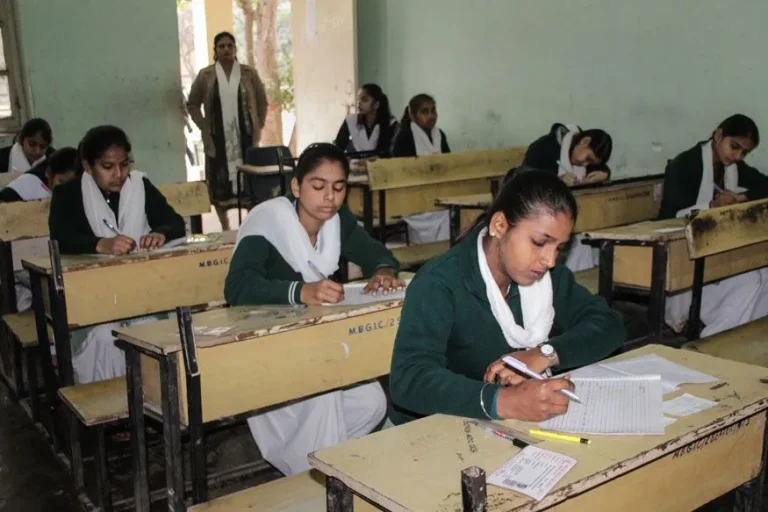
Nashik Students Miss Exams Due to Heavy Rain and Traffic Chaos
Introduction
Heavy monsoon rainfall created severe travel disruptions in Nashik, affecting the academic schedules of hundreds of university students who were unable to reach their examination centres on time. More than 300 students reportedly missed their scheduled university examinations after intense rain, traffic congestion, and a road disruption incident caused major delays on the Nashik-Trimbakeshwar route.
The students were expected to appear for their examinations scheduled at 10 am, but difficult weather conditions and transportation problems left many stranded on the way. After missing their papers, several students requested that the university conduct fresh examinations, stating that the situation was beyond their control and caused by unavoidable circumstances.
The incident highlights the challenges faced by students during extreme weather conditions and raises questions about emergency arrangements, travel planning, and institutional support during natural disruptions.
Heavy Rainfall Creates Travel Challenges in Nashik
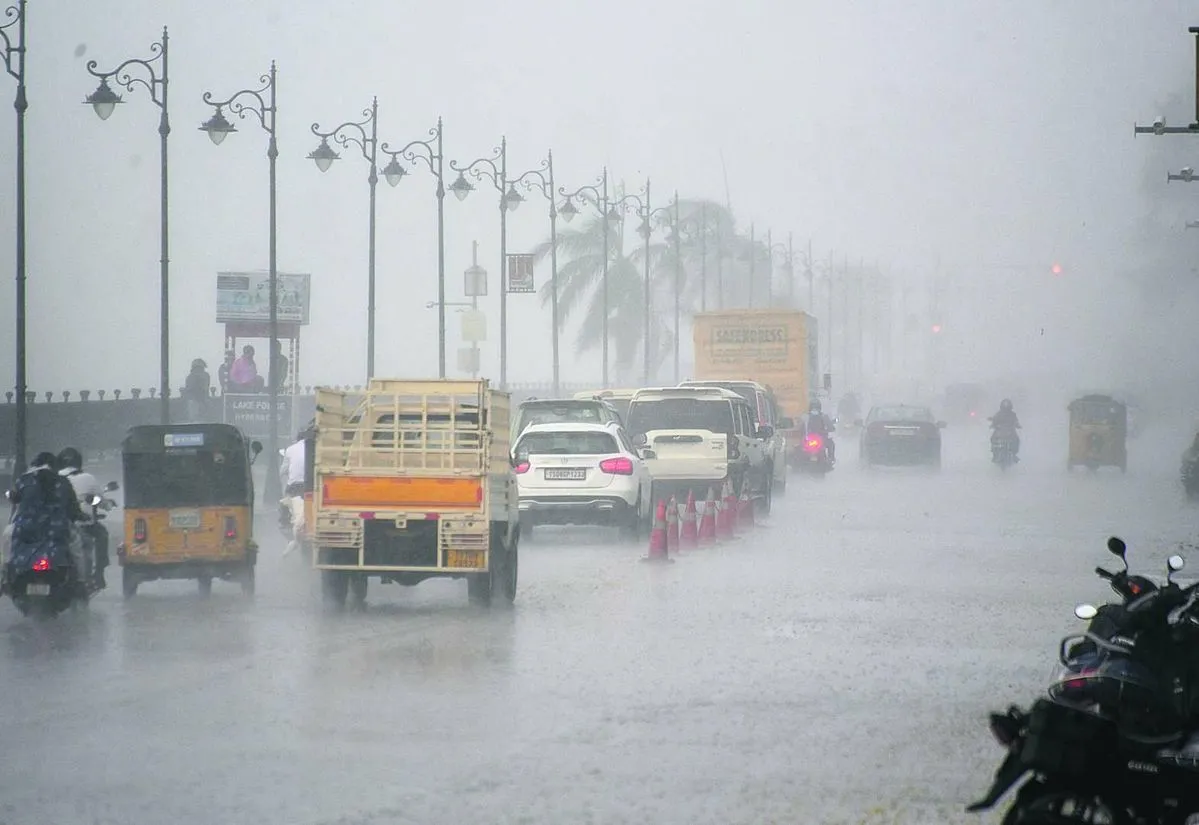
Monsoon rains are an important part of Maharashtra’s climate, but heavy rainfall can sometimes create difficulties for daily life. In Nashik, intense rain affected road movement and caused traffic problems in several areas, making transportation difficult for commuters.
The Nashik-Trimbakeshwar road, an important route connecting different areas, witnessed major disruption due to weather-related issues. Water accumulation, slow-moving traffic, and road damage contributed to long delays, affecting thousands of commuters, including students travelling for their examinations.
For students, reaching examination centres on time is extremely important because university exams often follow strict schedules. Even a small delay can result in missing an entire paper, especially when entry rules do not allow late arrivals beyond a specific time.
Major challenges faced by commuters included:
- Heavy rainfall affecting road conditions.
- Slow traffic movement due to congestion.
- Delays caused by road disruptions.
- Limited travel options during emergencies.
- Difficulty reaching destinations on time.
Road Disruption Adds to Traffic Problems
Along with heavy rainfall, a land subsidence incident on the Nashik-Trimbakeshwar road further affected traffic movement. Land subsidence occurs when a portion of the ground sinks or becomes unstable, which can damage roads and disrupt transportation.
The combination of heavy rain and road-related problems created a difficult situation for commuters. Vehicles moved slowly, and many travellers experienced unexpected delays while attempting to reach their destinations.
For students appearing for examinations, such disruptions created additional stress because they had limited flexibility. Unlike regular travel, examination schedules are fixed, and missing the reporting time can result in losing an opportunity to complete the paper.
The incident demonstrates how weather-related infrastructure problems can directly affect education and everyday activities.
More Than 300 Students Miss Scheduled University Exams
According to reports, more than 300 students who were travelling to appear for university examinations could not reach their centres before the scheduled start time. The examinations were planned for 10 am, but traffic disruptions prevented many students from arriving on time.
Students expressed concern that they had prepared for their examinations but were unable to participate because of circumstances outside their control. Missing an examination can create academic difficulties, including delays in completing courses and additional pressure on students.
Many students requested authorities to consider their situation and arrange another opportunity to appear for the missed papers.
Students highlighted concerns such as:
- Loss of examination opportunity despite preparation.
- Stress caused by unpredictable travel conditions.
- Financial and emotional pressure.
- Fear of academic delays.
- Need for special consideration during emergencies.
Students Request Fresh Examinations
After missing their scheduled papers, affected students appealed for fresh examinations. They argued that the delay was not caused by negligence but resulted from unavoidable weather and transportation problems.
Students believe that emergency situations such as extreme rainfall and road disruptions should be considered differently from ordinary delays. They requested the university authorities to provide another chance so that their academic progress is not affected.
Conducting re-examinations or alternative arrangements during exceptional circumstances is often considered a way to support students facing genuine difficulties. However, universities must also consider examination regulations, fairness, and administrative challenges before making decisions.
Impact of Weather Conditions on Education
The Nashik incident highlights how natural events can influence educational activities. While schools and universities generally follow fixed academic calendars, extreme weather conditions can create unexpected challenges for students and institutions.
Heavy rainfall, floods, transportation problems, and other emergencies can prevent students from reaching examination centres despite proper planning. Such situations require educational institutions to have effective emergency response systems.
Possible measures that can help reduce future disruptions include:
- Providing timely weather-related updates.
- Considering flexible examination arrangements during emergencies.
- Improving communication between universities and students.
- Developing contingency plans for extreme conditions.
A well-planned approach can help protect students from losing important academic opportunities due to unavoidable circumstances.
The Importance of Emergency Planning During Monsoon Season
Monsoon-related disruptions are common in many parts of India, especially in areas that experience heavy seasonal rainfall. Educational institutions need to prepare for possible challenges during this period.
Emergency planning can include monitoring weather conditions, coordinating with local authorities, and providing clear instructions to students. Advance communication can help students make better travel decisions and reduce confusion during difficult situations.
Universities may also consider technology-based solutions, such as online announcements and quick communication channels, to inform students about changes or emergency measures.
Effective planning benefits both students and institutions by reducing uncertainty during unexpected events.
Challenges Faced by Students During Extreme Weather
Students often face unique difficulties during extreme weather conditions because examinations require punctuality and physical presence. Unlike regular classes, missing an examination can have serious academic consequences.
Students travelling from distant locations may face greater challenges because they depend on public transportation and longer travel routes. Heavy rainfall can affect buses, roads, and other transport systems, increasing the possibility of delays.
The Nashik incident reflects the importance of understanding student challenges during emergencies and creating systems that balance academic rules with practical realities.
Need for Better Coordination Between Authorities and Institutions
Situations like the Nashik examination disruption require cooperation between multiple stakeholders, including universities, local authorities, transport departments, and students. Better coordination can help manage emergencies more effectively.
Universities can benefit from receiving timely updates about road conditions and weather situations. Local authorities can help by managing traffic and addressing infrastructure issues quickly.
Improved coordination can reduce the impact of unexpected events and ensure that students are not unfairly affected by circumstances beyond their control.
Conclusion
The incident involving more than 300 Nashik students missing university examinations due to heavy rainfall and traffic disruption highlights the impact of extreme weather on education. The combination of intense monsoon conditions and a land subsidence issue on the Nashik-Trimbakeshwar road created significant travel challenges, leaving many students unable to reach their examination centres.
The students’ request for fresh examinations reflects the need for flexible solutions during genuine emergencies. While examination rules are necessary to maintain fairness, exceptional situations require careful consideration and support.
As climate-related disruptions become more frequent, educational institutions and authorities must strengthen emergency planning, communication systems, and response strategies. Ensuring that students do not lose academic opportunities because of unavoidable circumstances should remain an important priority.