Simple Habits to Change Your Life for the Better
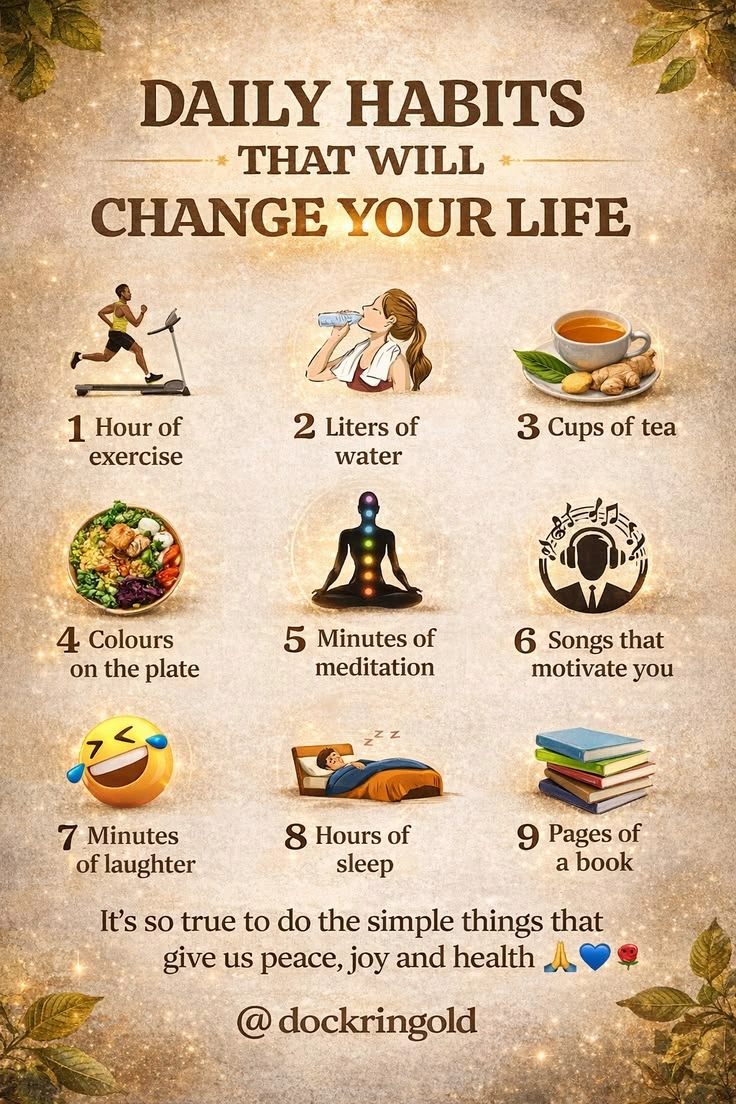
In a world filled with constant demands and distractions, meaningful life transformation often stems from small, consistent actions rather than dramatic overhauls. Research consistently shows that simple daily habits compound over time, influencing physical health, mental well-being, productivity, and overall life satisfaction. By focusing on evidence-based practices like optimizing sleep, incorporating movement, nourishing the body, practicing gratitude, and building supportive routines, individuals can experience profound improvements without feeling overwhelmed.
The Foundation: Prioritizing Quality Sleep
One of the most impactful habits is establishing a consistent sleep schedule. Adults generally benefit from 7-9 hours of quality sleep each night. Going to bed and waking up at roughly the same times daily helps regulate the body’s circadian rhythm, leading to better energy levels, mood stability, and cognitive function throughout the day.
Poor sleep patterns contribute to increased stress, reduced focus, and higher risks for various health issues. In contrast, regular, sufficient sleep supports memory consolidation, immune function, and emotional regulation. Practical steps include creating a calming bedtime routine—such as dimming lights, avoiding screens an hour before bed, and maintaining a cool, dark sleep environment. Even small adjustments, like morning sunlight exposure within 30 minutes of waking, reinforce this habit and improve sleep quality at night.
Over time, this habit enhances productivity and decision-making while reducing irritability and fatigue. Studies link consistent sleep patterns to lower mortality risks and better cardiometabolic health, underscoring its role as a cornerstone of longevity and daily performance.
Movement: Building Strength and Vitality Daily
Regular physical activity stands as another cornerstone habit. Engaging in at least 30 minutes of moderate activity most days—such as brisk walking, stretching, or strength exercises—yields significant benefits. Movement releases endorphins that elevate mood, reduces stress hormones, and supports cardiovascular health while improving sleep quality.
Morning movement, even a short walk or yoga session, sets a positive tone, boosts metabolism, and enhances focus for the day ahead. It need not be intense; consistency matters more than intensity. Incorporating habits like taking stairs, short stretching breaks, or desk exercises counters the effects of prolonged sitting.
Evidence from long-term studies shows that regular exercisers maintain healthier body weights, experience fewer chronic disease risks, and enjoy greater mental resilience. This habit also promotes discipline that spills over into other life areas, fostering a sense of accomplishment and self-efficacy.
Nourishment: Hydration, Balanced Eating, and Mindful Habits
What we consume daily profoundly affects energy, cognition, and long-term health. Staying hydrated by drinking water first thing in the morning and throughout the day supports cognitive performance and mood. Pair this with a nutrient-rich diet emphasizing fruits, vegetables, whole grains, lean proteins, and healthy fats.
Simple practices include preparing balanced meals, eating mindfully without distractions, and limiting processed foods and excessive alcohol. Maintaining a healthy body weight through these choices, combined with movement, significantly impacts vitality. Flossing daily and applying sunscreen are additional small protective habits with outsized benefits for oral health and skin protection.
Longitudinal research highlights that non-smokers who follow quality diets, manage weight, exercise, and consume alcohol moderately can gain substantial years of life expectancy—up to 12-14 years compared to those with fewer healthy practices. These habits reduce risks of heart disease, diabetes, and other conditions while promoting sustained energy and clearer thinking.
Cultivating Mental Resilience: Gratitude and Mindfulness
Mental habits like daily gratitude practice powerfully shift perspectives. Taking a few minutes each morning or evening to note three things one is thankful for—whether a good meal, supportive relationships, or personal achievements—builds optimism and emotional strength.
Scientific findings associate gratitude with reduced stress and negative emotions, better sleep, lower blood pressure, and enhanced overall well-being. It activates brain regions linked to reward and positive processing, countering tendencies toward rumination or anxiety. This simple act strengthens resilience, improves relationships, and increases life satisfaction.
Complement gratitude with brief mindfulness or breathing exercises. Even 5-10 minutes of deep breathing, meditation, or quiet reflection lowers cortisol levels and improves focus. These practices rewire neural pathways toward calmer responses, making challenges more manageable and enhancing emotional regulation.
Structuring Your Day: Routines and Environment Design
Successful habit formation involves more than willpower. Creating supportive environments and routines makes positive behaviors automatic. For instance, laying out workout clothes the night before or placing a water bottle visibly encourages follow-through.
Atomic principles of habit building—making good habits obvious, attractive, easy, and satisfying—provide a practical framework. Start small: commit to two-minute versions of new behaviors to overcome initial resistance. Track progress without self-judgment to build momentum.
A structured morning routine combining hydration, movement, sunlight, and gratitude can energize the day and reduce decision fatigue. Evening wind-downs with reading or hobby time, rather than endless scrolling, protect sleep and mental space. Social connections and hobbies further boost mood and provide purpose.

Overcoming Challenges and Sustaining Change
Building new habits takes time—often around 66 days on average for automaticity, though this varies. Expect setbacks and view them as learning opportunities rather than failures. Focus on systems over isolated goals: design your environment and schedule to support desired behaviors.
Accountability through journaling or sharing intentions with others can help. Prioritize progress over perfection, celebrating small wins to reinforce neural reward pathways. Combining habits—such as practicing gratitude while walking—creates efficiency and stronger associations.
The Compounding Power of Small Changes
These habits interconnect. Better sleep fuels motivation for exercise, which supports healthier eating and weight management. Gratitude and mindfulness reduce stress that might otherwise derail routines. Together, they create a virtuous cycle enhancing physical health, mental clarity, emotional balance, and productivity.
Individuals who adopt multiple habits report higher life satisfaction, fewer health complaints, and greater resilience. The beauty lies in accessibility: these changes require no expensive equipment or radical lifestyle shifts, only commitment to daily practice.
Conclusion: Your Path to a Transformed Life
Changing your life for the better begins with choosing one or two habits to implement consistently. Start with sleep optimization or a simple gratitude practice, then layer in movement and nutrition. Over weeks and months, these small actions accumulate into remarkable transformations—more energy, sharper focus, deeper relationships, and a greater sense of control and fulfillment.
The journey rewards patience and self-compassion. By embracing these simple, evidence-supported habits, you invest in a future of improved health, happiness, and potential. The power to shape your life resides in the choices you make today, one day at a time. With consistency, the results will speak for themselves, proving that profound change flows from the steady rhythm of positive daily practices.
Read more – top24headline.com