Top Wellness Trends Transforming Lifestyle Choices in 2026
The concept of wellness has evolved far beyond basic fitness and dieting. In 2026, wellness is becoming more personalized, science-backed, and deeply connected to mental, emotional, and social well-being. Consumers are increasingly focusing on sustainable lifestyle habits instead of short-term health trends, creating a major shift in how people approach self-care, nutrition, exercise, and work-life balance.
Industry reports and wellness experts suggest that modern consumers are prioritizing longevity, mental resilience, personalized healthcare, and holistic living. Technological innovation, wearable health devices, AI-powered health tracking, and growing awareness about burnout and stress are also influencing lifestyle decisions globally. Wellness is no longer treated as a luxury but as an essential part of daily life.
1. Personalized Wellness Is Becoming Mainstream
One of the biggest wellness trends in 2026 is the rise of personalized health solutions. Consumers are moving away from generic health advice and increasingly relying on data-driven recommendations tailored to their unique bodies, lifestyles, and goals.
Advancements in wearable devices, biomarker tracking, hormone analysis, and AI-powered wellness platforms are helping individuals understand their sleep quality, stress levels, metabolism, and nutritional needs more accurately. Experts believe this personalized approach allows people to make smarter lifestyle decisions that are more sustainable and effective over time.
2. Mental Fitness and Nervous System Health
Mental wellness is evolving into what many experts now describe as “mental fitness.” Instead of only addressing stress after it becomes overwhelming, people are proactively training their minds through mindfulness, breathwork, meditation, and nervous system regulation practices.
Neurowellness technologies such as biofeedback devices, stress-monitoring wearables, and vagus nerve stimulation tools are becoming increasingly popular. These innovations aim to improve emotional resilience, focus, sleep quality, and stress recovery. The growing awareness of burnout and digital fatigue is encouraging people to prioritize emotional balance as seriously as physical fitness.
3. Longevity and Healthy Aging
Longevity continues to dominate global wellness conversations in 2026, but the focus has shifted from anti-aging marketing to evidence-based healthy aging practices. Consumers are now more interested in extending their “healthspan” — the number of years they remain healthy, active, and independent.
Experts predict increased interest in sleep optimization, recovery therapies, strength training, hormone balance, and preventive healthcare. Scientific research around cellular health, metabolism, and regenerative medicine is also influencing mainstream wellness products and routines. Rather than chasing quick fixes, consumers are adopting habits designed for lifelong health and vitality.
4. Gut Health and Functional Nutrition
Gut health remains one of the fastest-growing wellness movements in 2026. Scientific research continues to reveal strong connections between gut health, immunity, mood, energy levels, inflammation, and metabolic function.
Consumers are increasingly adopting fiber-rich diets, fermented foods, probiotics, and microbiome-friendly eating habits. Functional beverages containing nutrients, adaptogens, and probiotics are also becoming mainstream. Wellness experts emphasize that modern nutrition trends are now centered on long-term digestive health rather than restrictive dieting or temporary detox plans.
5. Strength Training Over Extreme Cardio
Fitness culture is also undergoing a major transformation. In 2026, people are focusing more on sustainable movement practices and strength training rather than exhausting workout routines.
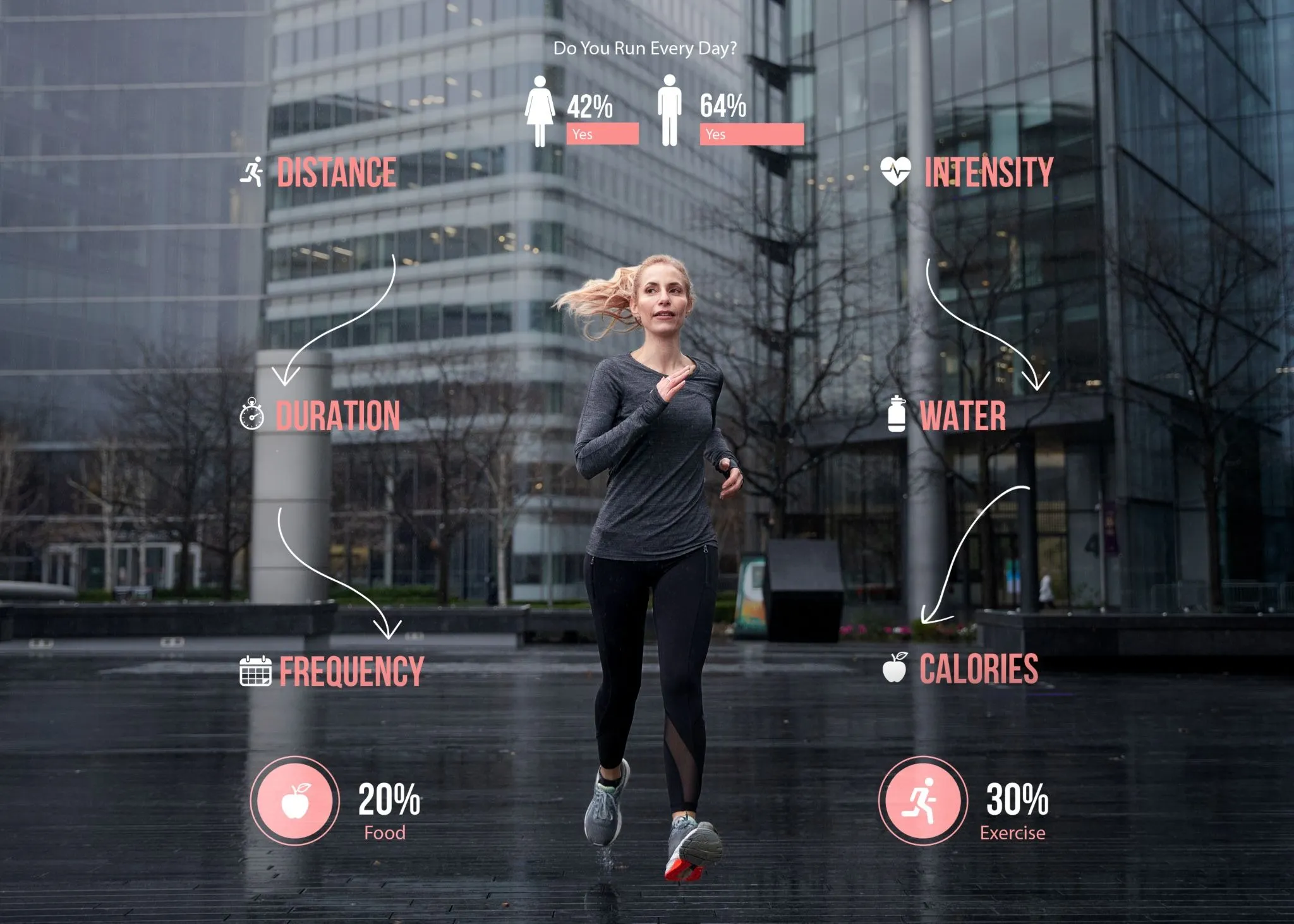
Experts increasingly recommend resistance training to preserve muscle mass, support metabolism, improve bone density, and maintain long-term mobility. Walking, mobility exercises, Pilates, yoga, and low-impact workouts are gaining popularity because they support overall wellness without causing burnout or injury. This shift reflects growing awareness that fitness should improve quality of life rather than create physical stress.
6. Wellness Travel and Personalized Retreats
Travel is no longer only about sightseeing and luxury experiences. Wellness tourism has become a major global trend, with travelers seeking retreats focused on relaxation, emotional healing, fitness, mindfulness, and recovery.
In 2026, wellness retreats are becoming increasingly personalized. Many programs now offer customized nutrition plans, mental wellness therapies, sleep optimization, stress recovery sessions, and health diagnostics tailored to individual needs. Experts believe people are seeking these experiences to disconnect from digital overload and reconnect with themselves physically and emotionally.
7. AI and Smart Wellness Technology
Artificial intelligence is transforming the wellness industry by making health tracking and coaching more accessible. Smart health platforms can now analyze sleep patterns, stress levels, physical activity, eating habits, and biometric data to deliver highly personalized recommendations.
AI-powered wellness apps are increasingly used for fitness coaching, mental health support, nutrition guidance, and habit tracking. Consumers appreciate the convenience and personalization these tools provide, especially as wearable devices become more advanced and integrated into daily life.
8. Sustainable and Conscious Living
Sustainability is becoming deeply connected with wellness choices. Consumers are paying more attention to eco-friendly products, clean ingredients, ethical sourcing, and environmental impact when purchasing wellness and lifestyle products.
This trend is especially visible in activewear, beauty, nutrition, and home wellness categories. Brands are increasingly focusing on sustainable fabrics, refillable packaging, plant-based ingredients, and environmentally responsible manufacturing. Consumers now associate wellness not only with personal health but also with the health of the planet.
9. Sleep Optimization and Recovery Culture
Sleep is now recognized as one of the most important pillars of overall wellness. Experts increasingly link poor sleep to stress, weakened immunity, reduced cognitive performance, hormonal imbalance, and long-term health risks.
As a result, recovery-focused wellness routines are becoming mainstream in 2026. Sleep tracking devices, calming bedtime rituals, meditation apps, sound therapy, and sleep-friendly home environments are growing in popularity. Consumers are learning that recovery is just as important as productivity and physical activity.
10. Slow Living and Digital Detoxing
Modern lifestyles filled with constant notifications, social media pressure, and work-related stress are encouraging many people to embrace slower and more intentional living. The “slow living” movement is gaining momentum as consumers prioritize calmness, hobbies, family time, and mindfulness over hustle culture.
Digital detox practices such as screen-free hours, nature walks, journaling, and offline hobbies are becoming increasingly common. Experts believe this trend reflects a broader cultural desire to reduce stress and improve emotional well-being in an increasingly connected world.
11. Corporate Wellness and Workplace Health
Companies are increasingly recognizing that employee wellness directly impacts productivity, retention, and workplace culture. Modern corporate wellness programs now focus on mental health, stress management, sleep support, flexibility, and personalized wellness coaching.
Organizations are also investing in leadership well-being, recognizing that managers experiencing burnout can negatively affect entire teams. The future of workplace wellness appears centered on long-term emotional resilience rather than occasional wellness perks.
12. Conclusion
The wellness trends transforming lifestyle choices in 2026 reflect a deeper shift toward sustainable, science-based, and personalized health practices. Consumers are moving away from extreme wellness culture and instead focusing on balanced habits that support long-term physical, emotional, and mental well-being.
From personalized health tracking and gut health awareness to strength training, recovery culture, and slow living, modern wellness is becoming more holistic than ever before. Technology continues to shape the industry, but at the same time, people are seeking authenticity, emotional connection, and healthier relationships with themselves and the world around them.
As these trends continue to evolve, wellness in 2026 is no longer just about looking healthy — it is about building a lifestyle that supports resilience, happiness, balance, and sustainable well-being for the future.
Read more – PRnews18.com