Health Benefits of Daily Walking for Weight Loss and Fitness
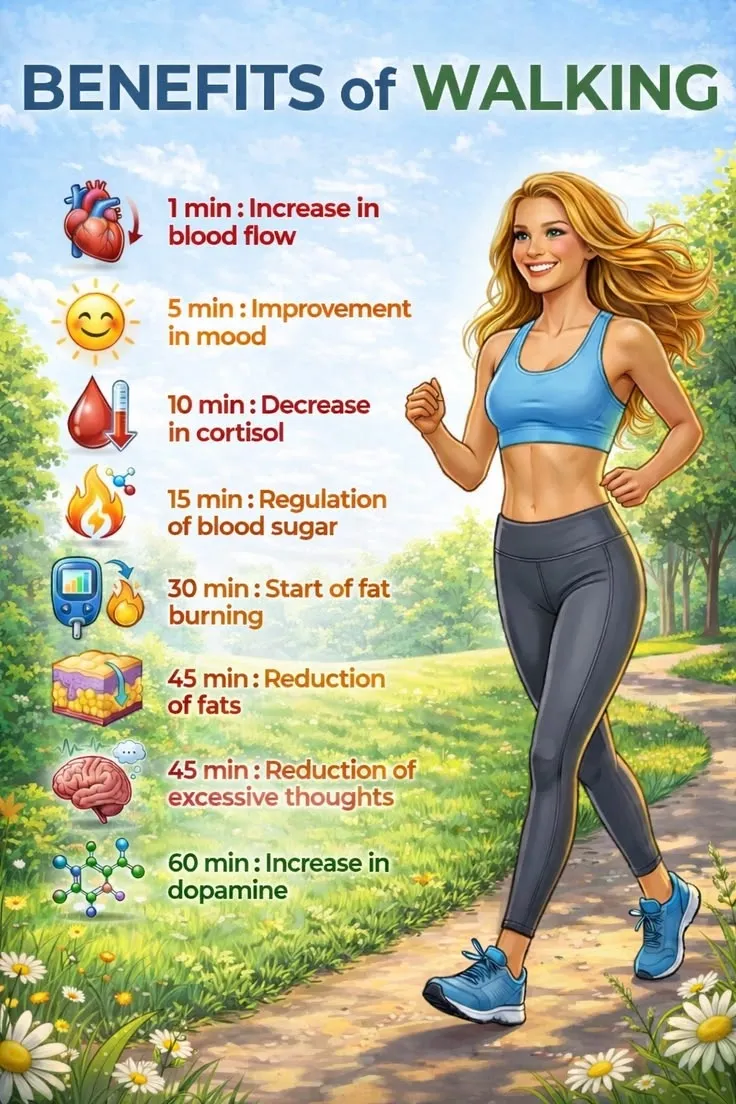
In a world filled with high-intensity workouts and complex fitness trends, walking stands out as one of the simplest, most accessible, and highly effective forms of exercise. Often underestimated, daily walking offers profound benefits for weight management, cardiovascular health, mental wellbeing, and overall fitness. Whether you are a beginner looking to start your fitness journey or someone aiming to maintain a healthy lifestyle, incorporating consistent walking can deliver sustainable results with minimal risk of injury.
Effective for Sustainable Weight Loss
Walking is an excellent tool for creating a calorie deficit necessary for weight loss. A brisk 30-minute walk can burn approximately 150–200 calories, depending on body weight, pace, and terrain. Over time, this adds up significantly. For instance, adding 30 minutes of daily brisk walking can help burn an extra 1,000+ calories per week.
Research shows that walking not only burns calories but also helps preserve lean muscle mass during weight loss, which is crucial for maintaining a healthy metabolism. Unlike crash diets, walking combined with a balanced diet supports gradual, sustainable fat loss while reducing the risk of rebound weight gain. Studies suggest that aiming for 7,000 to 10,000 steps per day can be particularly effective for noticeable weight reduction when paired with mindful eating.
Moreover, walking after meals has been shown to help regulate blood sugar levels and improve insulin sensitivity, which further supports fat metabolism and prevents unnecessary weight gain.
Improves Cardiovascular Health
One of the most significant benefits of daily walking is enhanced heart health. Brisk walking strengthens the heart muscle, improves circulation, and helps lower blood pressure. Regular walkers often experience reduced levels of LDL (bad) cholesterol and increased HDL (good) cholesterol.
Consistent walking for at least 30 minutes a day, five days a week, meets the recommended guidelines for moderate aerobic activity. This level of activity can significantly reduce the risk of heart disease, stroke, and other cardiovascular conditions. Even shorter bouts of 10-minute walks accumulated throughout the day provide measurable heart health benefits.
Boosts Mental Health and Cognitive Function
Walking is not just beneficial for the body — it profoundly impacts the mind. Daily walks trigger the release of endorphins, the body’s natural mood elevators, which help reduce stress, anxiety, and symptoms of mild depression. Spending time outdoors while walking also improves vitamin D levels and fosters a sense of calm.
Furthermore, regular walking has been linked to better cognitive function, improved memory, and a lower risk of age-related cognitive decline. The rhythmic nature of walking promotes mindfulness and mental clarity, making it an effective daily practice for emotional balance in today’s stressful environment.
Builds Strength, Endurance, and Bone Health
While often considered a low-impact cardio activity, walking also engages multiple muscle groups, particularly in the legs, core, and glutes. Over time, it builds muscular endurance and improves balance and coordination, which becomes increasingly important with age.
Weight-bearing exercises like walking help maintain bone density and reduce the risk of osteoporosis and fractures. This makes daily walking especially valuable for women post-menopause and older adults looking to preserve mobility and independence.
Enhances Overall Fitness and Longevity
Daily walking contributes to better sleep quality, stronger immune function, and improved joint health. It increases overall energy levels and stamina, making everyday tasks feel easier. People who walk regularly often report feeling more vibrant and capable in their daily lives.
Long-term studies consistently show that higher daily step counts are associated with increased longevity and a reduced risk of chronic diseases, including type 2 diabetes and certain cancers. Even modest increases in walking — from 4,000 to 7,000–8,000 steps — can yield substantial health improvements.
Practical Tips to Maximise Benefits
To get the most out of daily walking:
- Aim for consistency: Start with 20–30 minutes daily and gradually increase duration and intensity.
- Focus on pace: Brisk walking (where you can talk but not sing) maximises calorie burn and cardiovascular benefits.
- Incorporate variety: Add hills, intervals, or weighted walks for extra challenge.
- Track progress: Use a pedometer or smartphone app to monitor steps and stay motivated.
- Combine with strength training: Walking paired with 2–3 weekly strength sessions creates a well-rounded fitness routine.
- Pair with healthy nutrition: Walking works best for weight loss when combined with a balanced, calorie-conscious diet rich in whole foods.
Who Can Benefit Most?
Almost everyone can benefit from daily walking. It is particularly suitable for beginners, older adults, people recovering from injuries, and those who prefer low-impact exercise. Even individuals with busy schedules can break walks into shorter segments — three 10-minute walks can be as effective as one longer session.
Final Thoughts
Daily walking is a powerful, accessible habit that delivers remarkable returns on investment for weight loss and overall fitness. It requires no expensive equipment, no gym membership, and can be done almost anywhere. The key lies in consistency rather than intensity.
By making walking a non-negotiable part of your daily routine, you invest in long-term health, sustainable weight management, and improved quality of life. Whether you aim to lose weight, boost energy, strengthen your heart, or simply feel better, a simple daily walk might be the most effective change you can make.
Start today with just 15–20 minutes. Your body and mind will thank you as the benefits accumulate with every step. In a world of complicated fitness solutions, walking reminds us that sometimes the simplest actions yield the most profound results.
Read more – mediyahub.com