How to Write SEO Friendly Blog Posts That Rank on Google

In 2026, writing blog posts that consistently rank on Google requires more than sprinkling keywords throughout your content. Search engines have evolved to prioritise helpfulness, user experience, and trustworthiness. With the rise of AI overviews and increasingly sophisticated algorithms, creating SEO-friendly content means crafting valuable, well-structured pieces that genuinely serve readers while meeting technical optimisation standards.
This comprehensive guide outlines a proven, step-by-step approach to writing blog posts that have a strong chance of ranking well.
1. Understand Search Intent First
Before writing a single word, deeply analyse what users actually want when they type a query. Google ranks content that best satisfies search intent — whether informational, navigational, transactional, or commercial investigation.
Study the top-ranking pages for your target keyword. Notice the type of content (guides, lists, comparisons, how-tos), the depth of coverage, and the questions answered. Align your post to fill any gaps or provide a fresher, more comprehensive perspective. Matching intent is often more important than exact keyword matches.
2. Conduct Smart Keyword Research
Identify a primary target keyword with decent search volume and realistic competition. Supplement it with related secondary keywords and semantic terms (LSI keywords) that naturally support the topic.
Place your primary keyword naturally in:
- The title tag
- The first 100 words
- Several subheadings
- Image alt text
- Meta description
Avoid keyword stuffing. Modern SEO rewards natural language and comprehensive topic coverage over repetition.
3. Craft a Compelling, Keyword-Rich Title
Your title is the first impression in search results. Keep it under 60 characters when possible. Make it specific, benefit-driven, and include the primary keyword near the beginning. Strong titles often use numbers, power words, or question formats while remaining accurate to the content.
4. Write a Persuasive Meta Description
Although not a direct ranking factor, a well-written meta description (150–160 characters) improves click-through rates. Include your target keyword and a clear call-to-action or promise of value. This snippet appears below your title in search results and influences whether users choose your post.
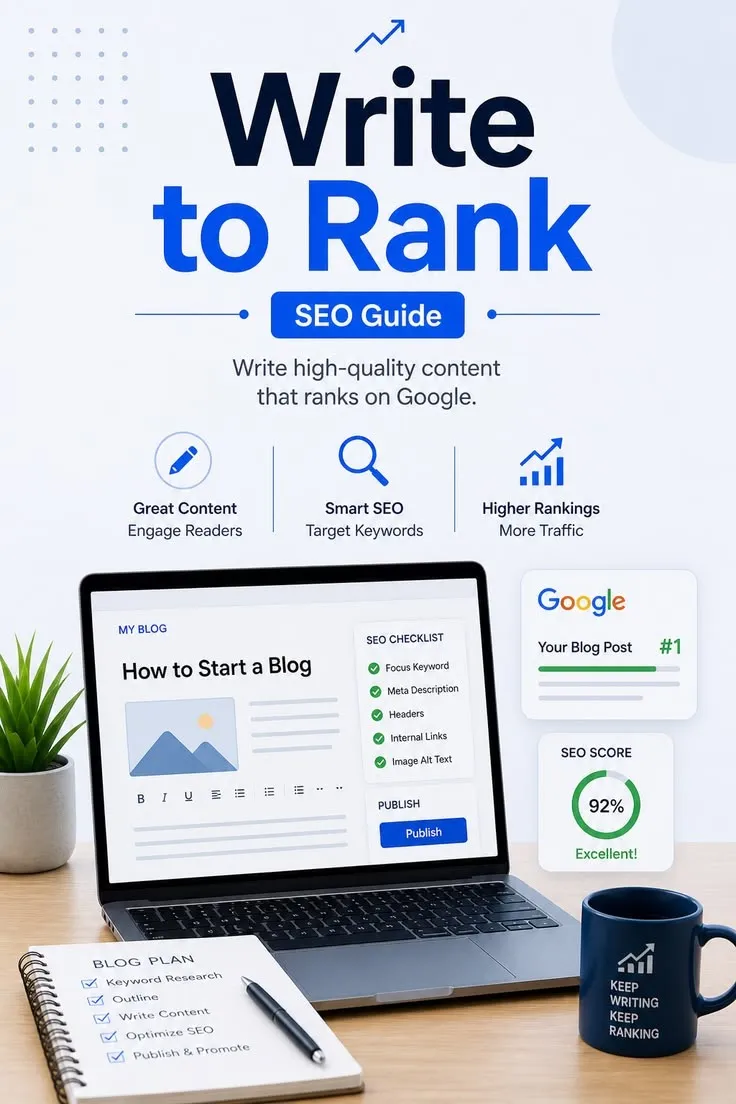
5. Structure Your Content for Readability and Scannability
Well-structured content performs better because both users and search engines prefer logical flow. Use:
- One H1 tag for the main title
- Multiple H2 and H3 subheadings that break content into digestible sections
- Short paragraphs (3–4 sentences maximum)
- Bullet points and numbered lists
- Bold text for key points
Aim for a reading level suitable for your audience (typically 8th–10th grade). Tools can help measure readability. Include a table of contents for longer posts to improve user experience.
6. Demonstrate E-E-A-T (Experience, Expertise, Authoritativeness, Trustworthiness)
E-E-A-T has become one of the most important quality signals. Show real experience through first-hand insights, case studies, or examples. Establish expertise with accurate, well-researched information. Build authoritativeness by citing reputable sources and earning external recognition. Enhance trustworthiness with clear author bios, updated content dates, transparent sourcing, and secure website elements.
For YMYL (Your Money or Your Life) topics like health or finance, E-E-A-T signals carry even more weight.
7. Optimise for User Experience and Technical SEO
Google considers page experience signals heavily. Ensure your post loads quickly on mobile devices, has clean design, and offers intuitive navigation. Use descriptive, keyword-friendly URLs. Add relevant internal links to other posts on your site to help users discover more content and distribute authority. Include high-quality images with proper alt text that describes both the image and incorporates keywords naturally.
8. Focus on Depth and Value
Comprehensive content that thoroughly covers a topic tends to outperform thin articles. Aim for sufficient length (often 1,500–3,000+ words for competitive topics) but prioritise quality over word count. Answer related questions, address potential objections, and provide actionable steps or unique insights.
Include multimedia such as images, infographics, videos, or embedded content to increase engagement and time on page.
9. Incorporate Strategic Internal and External Linking
Internal linking helps search engines understand your site’s structure and keeps readers engaged longer. Link naturally to related posts. External links to authoritative sources add credibility and context, showing you’ve researched thoroughly.
10. Optimise for Featured Snippets and AI Overviews
Structure key information in clear, concise formats that search engines can easily extract. Use numbered lists, tables, and direct answers in the first few paragraphs for definition-style queries. This increases chances of appearing in featured snippets and AI-generated summaries.
Final Publishing Checklist
Before hitting publish:
- Proofread thoroughly for grammar and accuracy
- Ensure mobile responsiveness
- Check page speed
- Add schema markup where relevant (such as FAQ or HowTo schema)
- Set a clear publication date and update older content regularly
- Promote the post through social channels and email to generate early engagement signals
The Long-Term Mindset
SEO-friendly blogging is not about quick tricks but about consistently creating helpful content that earns trust over time. Track performance with analytics tools, learn from what works, and refine your approach. Update evergreen posts periodically with fresh information to maintain rankings.
The most successful bloggers in 2026 combine genuine passion for their topics with smart optimisation. They write primarily for humans while respecting how search engines evaluate quality. By focusing on reader value, clear structure, technical excellence, and E-E-A-T principles, your blog posts have a much stronger chance of ranking well and delivering sustained organic traffic.
Start implementing these practices one post at a time. With consistency and attention to detail, you’ll see your content climb higher in Google results while building a loyal audience that returns for more.
Read more – releaseprcore.com