Best Healthy Snacks for Office Workers in 2026
In the fast-paced professional environment of 2026, office workers often face long hours of sitting, back-to-back meetings, and irregular meal times. Healthy snacking has become essential for maintaining steady energy levels, supporting focus, and preventing the afternoon slump that can derail productivity. Unlike processed vending machine options loaded with empty calories, strategic snacking with nutrient-dense foods helps regulate blood sugar, provide sustained satiety, and deliver key vitamins, minerals, protein, and fiber.
The global healthy snacks market continues to expand rapidly, driven by demand for functional foods that support overall wellness amid busy lifestyles. High-protein options, fiber-rich choices, and portable whole foods dominate preferences, reflecting a shift toward snacks that not only curb hunger but also contribute to heart health, weight management, and mental clarity.
Why Healthy Snacking Matters for Desk-Bound Professionals
Sitting for extended periods can slow metabolism and lead to mindless eating. Well-chosen snacks combat this by offering balanced macronutrients—protein for fullness, healthy fats for hormone support, and complex carbs or fiber for steady energy release. Research highlights that pairing protein with produce or fiber helps control appetite and provides essential micronutrients like potassium, vitamin C, calcium, and iron.
Portable, non-perishable options are ideal for offices with limited kitchen access, while those with fridge space can enjoy dairy or fresh preparations. The focus in 2026 is on “powerhouse protein” snacks and multisensory experiences that feel indulgent yet nourishing, often incorporating bold flavors or varied textures without excess sugar.
Top Nut and Seed-Based Snacks
Nuts and seeds rank among the most recommended office snacks due to their convenience and nutritional density. A handful of lightly salted or raw almonds, pistachios, or walnuts delivers healthy unsaturated fats, protein (around 3-7 grams per ounce), fiber, and minerals that support heart health and help regulate body weight. Their fats are not fully absorbed, promoting satiety.
Pistachios stand out in 2026 trends for their complete protein profile among nuts, containing all essential amino acids. They pair well with dried fruits like raisins for a mix that may improve glycemic control and reduce cardiometabolic risks. Trail mixes with classic fruit and nut combinations offer a balanced, shelf-stable option that fits easily in a desk drawer.
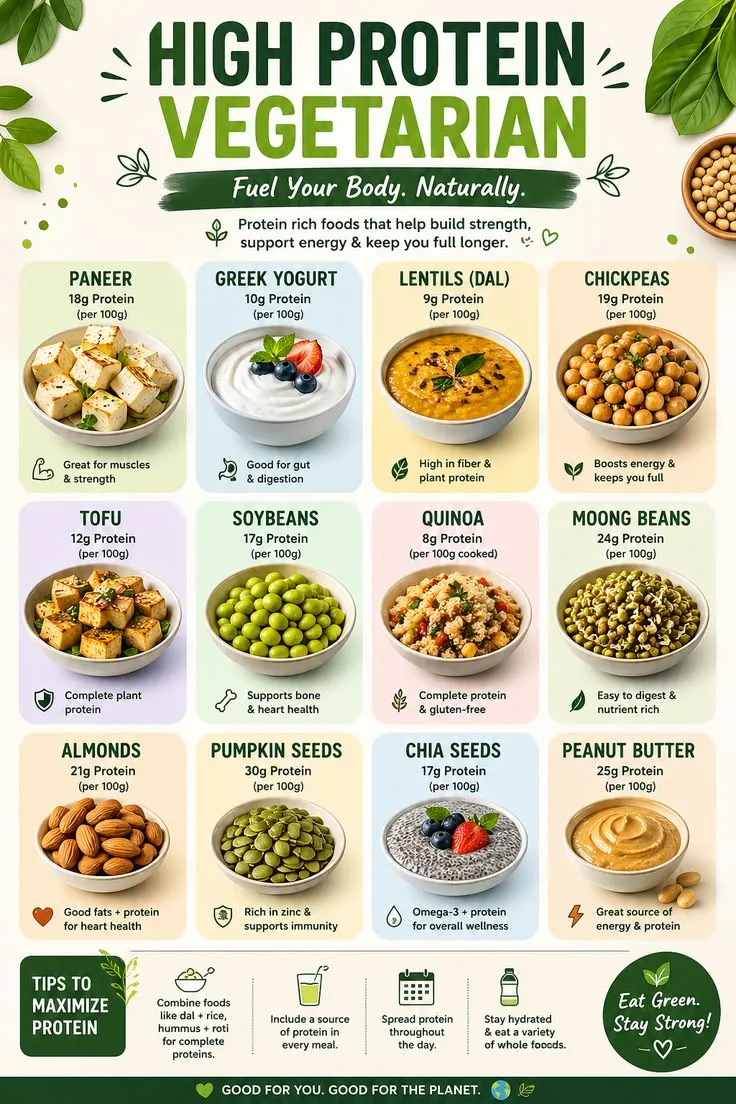
Seeds such as pumpkin or sunflower provide similar benefits with added variety. Roasted chickpeas or dry-roasted edamame elevate this category further. Edamame, as young soybeans, supplies about 17-19 grams of high-quality plant protein per cup, along with fiber, folate, iron, magnesium, and potassium. It supports heart health (aiming toward 25g daily soy protein benefits), steady energy, and weight management due to its low calorie density and complete protein status.
Practical Tip: Portion into small containers or choose pre-packaged singles to avoid overeating, as these are calorie-dense despite their benefits.
Protein-Packed Dairy and Plant Alternatives
Greek yogurt emerges as a standout for office fridges. Strained for higher protein and lower sugar than regular yogurt, it delivers calcium, probiotics for gut health, and substantial protein that aids muscle maintenance and satiety. Top it with fresh berries for vitamin C and antioxidants or a sprinkle of nuts for crunch. Variety packs make it easy to store and share.
Hard-boiled eggs or cage-free options offer nature’s portable protein—complete with vitamins D and K when paired with cucumber or other veggies. Cottage cheese with cantaloupe or veggie sticks provides another creamy, high-protein choice.
For plant-forward preferences, roasted edamame or hummus with carrot, celery, or bell pepper sticks combines protein, fiber, and vitamins A and iron. Hummus adds healthy fats, making the duo particularly filling and nutrient-rich.
Meat snacks like beef or turkey jerky (low-sugar varieties) or high-protein sticks deliver convenience without refrigeration, ideal for hybrid or travel-heavy workers.
Fruit and Vegetable Forward Options
Fresh fruits remain timeless powerhouses. Apples with nut butter supply fiber and healthy fats—apples are over 85% water and provide filling pectin. Berries add antioxidants with minimal calories, while bananas offer potassium for blood pressure support.
Dried fruits in moderation complement nuts, boosting intake of potassium and fiber. Pre-cut veggie packs with hummus address crunch cravings healthily. Brown rice cakes topped with avocado deliver complex carbs and monounsaturated fats for sustained energy.
In 2026, fresh fruit displays in offices promote teamwork and healthy habits, supplying hydration, vitamins, and natural sweetness.
Smart Indulgences and Emerging Favorites
Dark chocolate (in small portions) satisfies sweet cravings with antioxidants and mood benefits. Air-popped popcorn or SkinnyPop-style varieties offer low-calorie volume when lightly seasoned. Seaweed snacks or olive oil-cooked options provide savory, nutrient-forward crunch aligning with texture trends.
Protein bars with clean ingredients, roasted chickpea snacks, or homemade granola (oats, nuts, minimal sweetener) fit desk drawers perfectly. Trends favor functional additions like fiber-boosted or gut-healthy items.
Preparation and Storage Strategies
- No-Fridge Options: Nuts, seeds, jerky, roasted edamame, nut butter packets, popcorn, rice cakes, and dried fruit mixes.
- Fridge-Friendly: Greek yogurt, hard-boiled eggs, hummus, cottage cheese, fresh fruits/veggies.
- Weekly Prep: Boil eggs, portion mixes, wash and cut produce on Sunday evenings.
- Desk Organization: Keep single-serve packs accessible but out of constant sight to encourage mindful eating.
Balance flavors—sweet, savory, crunchy, creamy—to prevent boredom. Aim for 150-250 calories per snack, combining at least two macronutrients. Hydration pairs excellently; herbal teas or infused water enhance benefits.
Long-Term Benefits and Productivity Impact
Consistent healthy snacking supports better glycemic control, reduced cholesterol from nuts and soy, weight management through satiety, and improved focus from stable energy. Fiber and protein combat the post-lunch dip, while antioxidants from fruits and dark chocolate may aid mood and cognitive function.
Employers stocking such options report enhanced wellbeing, with fresh produce and protein choices fostering a culture of health. Individuals adopting these habits often experience fewer energy crashes and better overall dietary patterns.
Conclusion: Building Sustainable Habits
The best healthy snacks for office workers in 2026 prioritize whole foods, portability, and functionality—nuts, seeds, Greek yogurt, edamame, hummus with veggies, fruits, and smart indulgences like dark chocolate or popcorn. By planning ahead and choosing nutrient-dense options aligned with current trends in protein and fiber, professionals can fuel productivity without compromising health.
Small, consistent choices accumulate into significant wellness gains. Whether stocking a desk drawer or advocating for better office pantry options, embracing these snacks transforms the workday from a battle against fatigue into an opportunity for nourishment and peak performance. Start with a few favorites, experiment with pairings, and enjoy the sustained energy and focus that follow.
Read more – globalnewsdock.com