Best Yoga Benefits for Stress Relief and Better Sleep
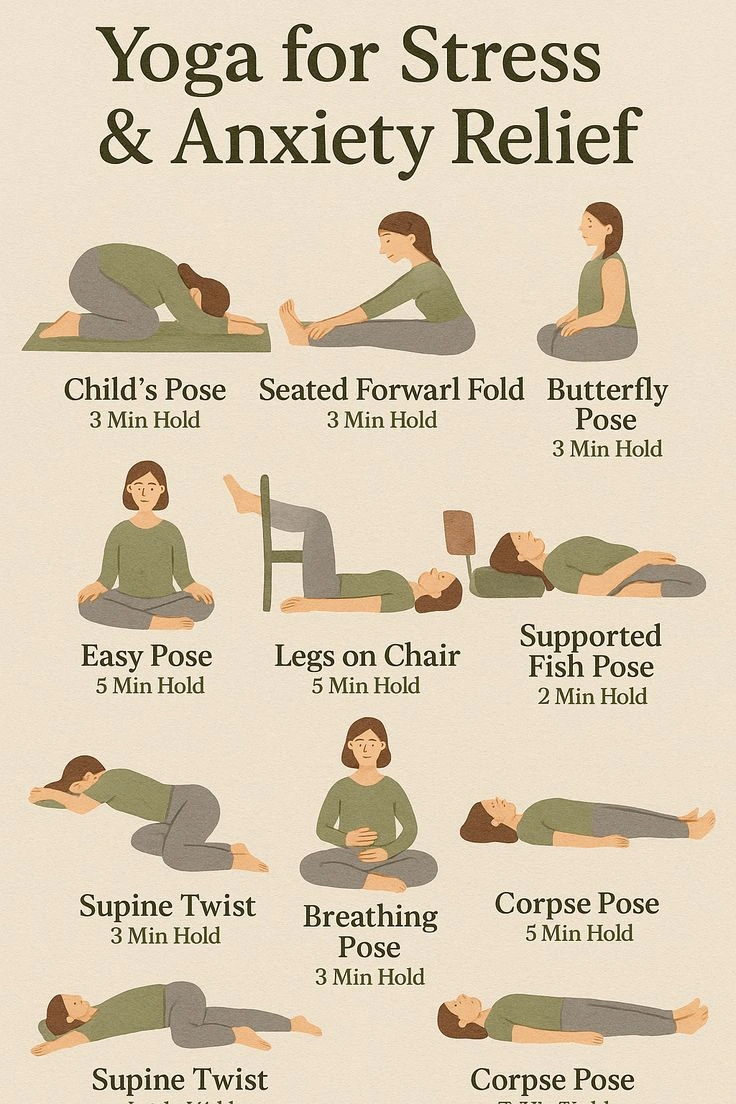
In today’s fast-paced world, stress and sleep disturbances have become common challenges affecting millions. Many people turn to yoga as a natural, holistic approach to restore balance. This ancient practice combines physical postures, controlled breathing, and mindfulness, offering profound benefits for both mental calm and restorative rest. Regular yoga practice can significantly lower stress hormones, quiet racing thoughts, and improve sleep quality, making it an accessible tool for overall well-being.
Understanding Stress and Its Impact
Chronic stress triggers the body’s fight-or-flight response, elevating cortisol levels and leading to anxiety, fatigue, and disrupted sleep patterns. Prolonged high cortisol contributes to inflammation, weakened immunity, and difficulties falling or staying asleep. Yoga addresses these issues by regulating the autonomic nervous system and the hypothalamic-pituitary-adrenal (HPA) axis, shifting the body toward the parasympathetic “rest and digest” state.
Scientific reviews show that yoga practitioners often experience measurable reductions in perceived stress and improved emotional resilience. Even short sessions can decrease acute stress reactivity, with benefits accumulating over weeks of consistent practice. Dynamic styles incorporating fluid movements and synchronized breathing prove particularly effective for stress management.
How Yoga Reduces Stress
Yoga lowers cortisol while boosting feel-good neurotransmitters like GABA, which calms brain activity. It enhances mindfulness, self-compassion, and positive affect—psychological resources that buffer against daily pressures. Brain imaging studies reveal increased activation in the prefrontal cortex (responsible for decision-making and emotional regulation) and reduced activity in the amygdala (the fear center), helping practitioners respond more calmly to stressors.
Physical postures release muscle tension, while pranayama (breathing techniques) slow heart rate and improve heart rate variability—a key marker of stress resilience. Practices like yoga nidra, a guided body scan meditation, further reduce anxiety symptoms. Many report better mood, fewer depressive feelings, and enhanced coping mechanisms after regular sessions.
A single session of yoga or its components (postures, meditation, breathing) can reduce both physiological and psychological stress markers in healthy adults. Over time, this leads to lower inflammation, balanced autonomic function, and better overall mental health.
Yoga’s Role in Promoting Better Sleep
Sleep issues often stem from stress, overthinking, or physical discomfort. Yoga improves sleep by addressing root causes rather than masking symptoms. Surveys indicate that over 55% of practitioners notice better sleep, while more than 85% report reduced stress that indirectly supports rest.
Yoga increases melatonin production, regulates circadian rhythms, and reduces sleep disturbances. It helps people fall asleep faster, sleep longer, and experience fewer awakenings. Studies on older adults show those practicing yoga regularly enjoy superior sleep quality, less disturbed sleep, and quicker sleep onset compared to non-practitioners.
For specific conditions like insomnia in postmenopausal women, breast cancer patients, or those with restless legs syndrome (RLS), yoga yields notable improvements. It alleviates RLS symptoms, reduces snoring through strengthened airway muscles, and enhances overall sleep efficiency. High-intensity yoga sessions (under 30 minutes, twice weekly) stand out in meta-analyses as particularly effective for long-term sleep quality gains.
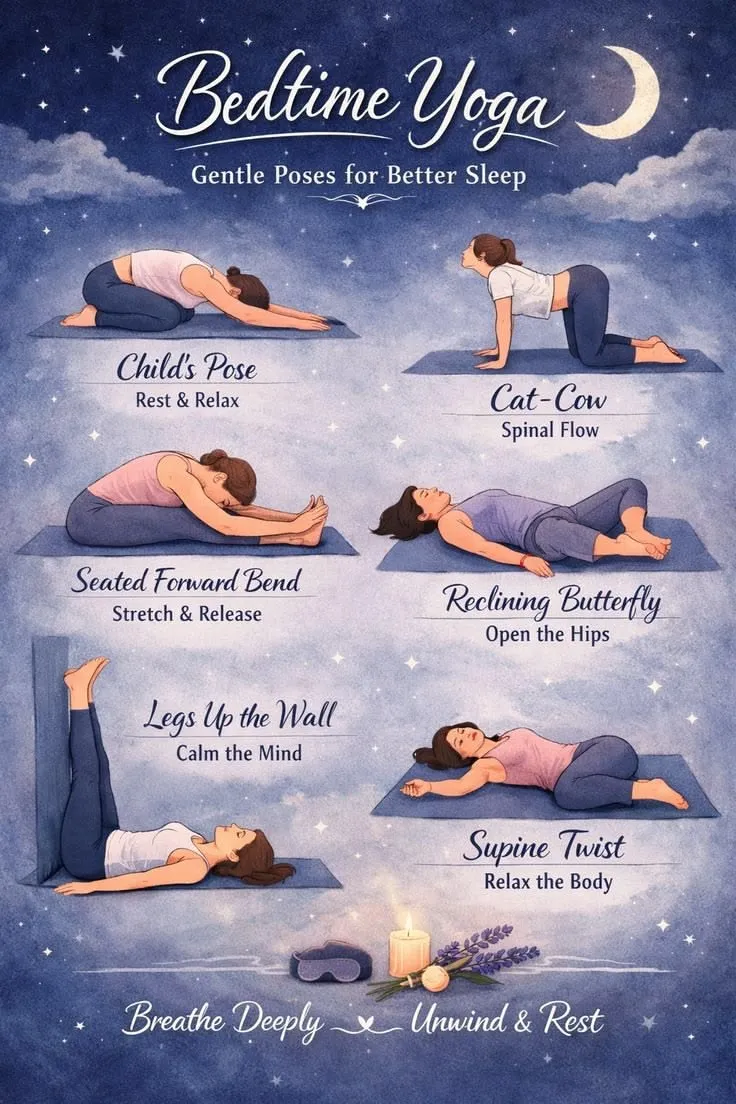
Best Yoga Poses and Practices for Stress Relief and Sleep
Incorporating targeted poses into a bedtime routine maximizes benefits. These gentle, restorative postures calm the nervous system and prepare the body for rest:
- Child’s Pose (Balasana): Kneel, fold forward, and rest the forehead on the mat with arms extended or by the sides. This pose gently stretches the back, hips, and shoulders while promoting a sense of security and calm. Hold for 3–5 minutes with deep breathing.
- Legs-Up-the-Wall (Viparita Karani): Lie on your back with legs extended vertically against a wall. This inversion improves circulation, reduces leg fatigue, and eases anxiety. It is excellent for quieting the mind before bed.
- Supine Twist: Lying on your back, gently twist the spine by drawing one knee across the body. Twists release spinal tension and detoxify, helping unwind accumulated daily stress.
- Bound Angle Pose (Baddha Konasana): Sit with soles of feet together and knees open wide, then fold forward slightly. It opens hips, relieves lower back tension, and calms the nervous system.
- Corpse Pose (Savasana): Lie flat on your back, palms up, and relax every muscle. Often paired with yoga nidra, this final relaxation pose integrates the practice and facilitates deep rest.
- Forward Folds (like Standing Forward Bend): These calm the mind by increasing blood flow to the head and activating the relaxation response.
Combine these with diaphragmatic breathing or alternate nostril breathing for enhanced effects. Restorative yoga, using props like bolsters and blankets for supported holds, is ideal for beginners or those seeking maximum relaxation.
Creating a Sustainable Yoga Routine
Consistency matters more than intensity. Start with 10–20 minutes in the evening, gradually building to 30–45 minutes several times weekly. Morning or midday sessions build resilience against daily stress, while evening practices focus on winding down. Tailor your routine to individual needs—gentle flows for high stress, restorative styles for insomnia.
Mindfulness during practice amplifies results. Focus on breath and present-moment awareness to train the brain for better stress regulation outside the mat. Pair yoga with healthy habits like consistent sleep schedules, reduced screen time, and balanced nutrition for synergistic effects.
Additional Holistic Benefits
Beyond stress and sleep, yoga supports heart health by lowering inflammation and blood pressure. It improves flexibility, strength, and body awareness while aiding weight management through mindful eating. Practitioners often report greater overall life satisfaction and emotional balance.
For special populations—elderly individuals, those with chronic conditions, or high-stress professionals—yoga offers accessible modifications. Even chair-based or short sessions deliver meaningful improvements.
Potential Considerations and Tips
Consult a healthcare provider before starting, especially with existing injuries or conditions. Begin under qualified instruction to ensure proper alignment. Listen to your body and avoid forcing poses. Progress gradually to prevent strain.
Many find online classes or studio sessions motivating. Props make poses more comfortable for longer holds, essential for relaxation benefits.
Conclusion: Embracing Yoga for Lasting Well-Being
Yoga offers a powerful, evidence-based pathway to manage stress and achieve restorative sleep. By lowering cortisol, regulating the nervous system, enhancing mindfulness, and releasing physical tension, it addresses interconnected challenges holistically. Whether through dynamic flows for energy or gentle restorative sequences for calm, the practice empowers individuals to cultivate inner peace amid external demands.
Incorporating yoga into daily life can lead to transformative changes—more resilience during the day and deeper, uninterrupted sleep at night. As a low-cost, side-effect-free approach, it stands as an invaluable resource for modern living. Start small, remain consistent, and observe how this timeless practice enhances both mind and body for a healthier, more balanced life.
Read more – globalnewsdock.com