Self-Care Practices That Improve Overall Well-Being
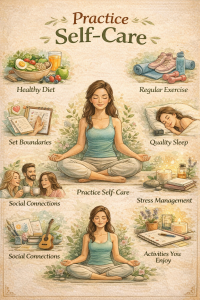
In today’s fast-paced world, people often focus on work, responsibilities, and external achievements while neglecting their own health and well-being. Self-care has therefore become an essential practice for maintaining a balanced and healthy lifestyle. Self-care refers to intentional actions individuals take to protect their physical, emotional, and mental health. These practices help people manage stress, improve mood, and maintain energy levels.
Research in health and psychology consistently shows that regular self-care activities can reduce anxiety, improve emotional resilience, and enhance overall quality of life. Self-care does not necessarily require expensive treatments or complicated routines. Instead, it involves simple daily habits that promote relaxation, physical health, and emotional balance. When practiced consistently, self-care can help individuals maintain long-term well-being and prevent burnout.
Maintaining a Healthy and Balanced Diet
Nutrition plays a fundamental role in supporting both physical and mental health. A balanced diet provides the body with essential nutrients such as vitamins, minerals, proteins, and healthy fats that help maintain energy levels and strengthen the immune system. When individuals consume nutritious foods regularly, they are better able to perform daily activities and maintain overall vitality.
Healthy eating also influences mood and mental clarity. Diets rich in fruits, vegetables, whole grains, and lean proteins support brain function and help regulate mood. On the other hand, excessive consumption of processed foods and sugar may lead to fatigue and mood fluctuations. Practicing mindful eating and maintaining a balanced diet is an important self-care strategy that supports long-term health.
Engaging in Regular Physical Activity
Physical activity is one of the most effective self-care practices for improving overall well-being. Regular exercise strengthens the heart, muscles, and bones while improving circulation and physical endurance. Even moderate activities such as walking, cycling, or yoga can significantly contribute to better physical health.
Exercise also has strong mental health benefits. Physical activity stimulates the release of endorphins, which are natural chemicals that promote feelings of happiness and relaxation. Regular movement can reduce stress, improve sleep quality, and enhance self-confidence. By incorporating consistent physical activity into daily routines, individuals can improve both their physical fitness and emotional well-being.
Prioritizing Quality Sleep
Adequate sleep is essential for maintaining physical health, mental clarity, and emotional balance. During sleep, the body performs important functions such as repairing tissues, regulating hormones, and consolidating memories. Lack of sleep can lead to fatigue, reduced concentration, and increased stress levels.
Establishing a healthy sleep routine is an important part of self-care. Going to bed and waking up at consistent times helps regulate the body’s internal clock. Creating a relaxing bedtime environment, limiting screen exposure before sleep, and avoiding heavy meals late at night can improve sleep quality. Consistent and restorative sleep supports better mood, productivity, and overall health.
Practicing Mindfulness and Stress Management
Modern lifestyles often involve constant demands and pressures that can lead to chronic stress. Mindfulness and stress-management practices help individuals remain calm and focused in challenging situations. Mindfulness involves paying attention to the present moment without judgment, which can help reduce anxiety and improve emotional awareness.
Activities such as meditation, deep breathing exercises, and journaling are effective methods for managing stress. These practices encourage relaxation and help individuals process their thoughts and emotions more effectively. By regularly engaging in mindfulness practices, individuals can improve emotional resilience and maintain a healthier perspective on daily challenges.
Building Strong Social Connections
Human beings are naturally social, and strong relationships play a significant role in overall well-being. Positive social connections provide emotional support, reduce feelings of loneliness, and create a sense of belonging. Spending time with family members, friends, or supportive communities helps individuals feel valued and understood.
Healthy relationships also contribute to improved mental health. Engaging in meaningful conversations, sharing experiences, and supporting others can strengthen emotional bonds. In addition, participating in group activities or community events helps individuals build a supportive network. Maintaining strong social connections is therefore an important aspect of self-care and emotional health.
Setting Healthy Boundaries and Personal Time
Another essential self-care practice involves setting healthy boundaries in personal and professional life. Many individuals experience stress because they struggle to balance responsibilities with personal needs. Without clear boundaries, work and obligations can take up most of a person’s time and energy.
Setting boundaries allows individuals to protect their time and prioritize activities that support their well-being. This may include taking regular breaks, limiting excessive work commitments, or dedicating time to hobbies and relaxation. When individuals respect their own limits, they are better able to maintain balance and prevent burnout.
Engaging in Activities That Bring Joy
Participating in enjoyable activities is an important but often overlooked aspect of self-care. Hobbies such as reading, painting, gardening, music, or creative writing provide opportunities for relaxation and self-expression. These activities allow individuals to disconnect from daily pressures and focus on something meaningful and enjoyable.
Creative and recreational activities also stimulate the brain and encourage personal growth. They can improve mood, boost creativity, and increase overall life satisfaction. Making time for hobbies and enjoyable experiences helps individuals maintain a positive outlook and improve emotional well-being.
Conclusion
Self-care is not a luxury but a necessary practice for maintaining physical health, emotional stability, and mental clarity. By adopting healthy habits such as balanced nutrition, regular physical activity, quality sleep, mindfulness practices, and strong social connections, individuals can significantly improve their overall well-being.
Simple actions like setting personal boundaries and engaging in enjoyable activities can also help maintain a balanced lifestyle. Consistent self-care allows individuals to manage stress more effectively, maintain higher energy levels, and build emotional resilience. In the long run, prioritizing self-care contributes to a healthier, happier, and more fulfilling life.