Top Healthy Habits to Improve Your Lifestyle Naturally
In today’s fast-paced world, maintaining a healthy lifestyle has become more important than ever. Rising stress levels, sedentary work environments, irregular eating habits, and lack of sleep are contributing to lifestyle-related conditions globally. The good news is that improving your lifestyle does not require extreme diets or complicated routines. Scientific research consistently shows that small, consistent habits can significantly enhance physical health, mental clarity, emotional balance, and overall well-being.
This article explores practical and evidence-based healthy habits that can naturally transform your lifestyle in a sustainable way.
1. Prioritize Quality Sleep
Sleep is one of the most fundamental pillars of good health, yet it is often overlooked.
Research shows that adults typically need 7–9 hours of quality sleep per night for optimal functioning. Proper sleep supports immune function, cognitive performance, emotional regulation, and metabolic health. Chronic sleep deprivation has been linked to increased risk of heart disease, obesity, diabetes, and depression. Maintaining a consistent sleep schedule, limiting screen exposure before bedtime, and creating a calm sleep environment can significantly improve sleep quality. When you prioritize rest, your body repairs itself, balances hormones, and restores energy for the day ahead.
2. Maintain a Balanced and Nutritious Diet
A balanced diet fuels your body and directly impacts long-term health.
Health authorities recommend consuming a variety of fruits, vegetables, whole grains, lean proteins, and healthy fats. Diets rich in fiber, vitamins, and antioxidants help reduce inflammation and support heart health. Limiting processed foods, added sugars, and excessive salt intake lowers the risk of chronic diseases such as hypertension and type 2 diabetes. Drinking adequate water also supports digestion and nutrient absorption. Instead of following restrictive diet trends, focus on consistent, wholesome eating patterns that nourish your body naturally.
3. Engage in Regular Physical Activity
Movement is essential for both physical and mental well-being.
Global health guidelines recommend at least 150 minutes of moderate-intensity exercise per week, such as brisk walking, cycling, or swimming. Regular exercise improves cardiovascular health, strengthens muscles and bones, enhances mood, and boosts energy levels. Physical activity also reduces stress hormones while increasing endorphins, which promote feelings of happiness. You do not need an intense workout routine; even daily walking, stretching, or yoga can significantly improve overall health when practiced consistently.
4. Practice Stress Management Techniques
Chronic stress negatively affects nearly every system in the body.
Persistent stress can contribute to high blood pressure, weakened immunity, digestive problems, and mental health disorders. Practicing relaxation techniques such as deep breathing, meditation, or mindfulness has been shown to reduce cortisol levels and improve emotional resilience. Spending time in nature, engaging in hobbies, and maintaining social connections also help manage stress naturally. Learning to recognize stress triggers and responding calmly instead of reactively improves long-term mental stability and overall quality of life.
5. Stay Hydrated Throughout the Day
Water plays a crucial role in maintaining bodily functions.Hydration supports circulation, temperature regulation, joint lubrication, and nutrient transport. Even mild dehydration can lead to fatigue, headaches, and reduced concentration. Health experts commonly suggest around 2–3 liters of water per day for adults, though individual needs vary depending on climate and activity level. Replacing sugary beverages with water or herbal teas can improve metabolic health and reduce unnecessary calorie intake. Staying hydrated consistently is a simple yet powerful habit for maintaining energy and focus.
6. Build Strong Social Connections
Human beings thrive on meaningful relationships and social interaction.
Studies show that strong social ties are associated with longer life expectancy and better mental health. Positive relationships reduce feelings of loneliness, lower stress levels, and enhance emotional support during challenging times. Engaging in regular conversations, spending time with family, and participating in community activities strengthen these bonds. Even small acts like checking in on a friend or sharing meals with loved ones can significantly improve emotional well-being. Healthy relationships contribute to a balanced and fulfilling lifestyle.
7. Limit Screen Time and Digital Overload
Technology is beneficial, but excessive use can impact health negatively.
Prolonged screen exposure is linked to eye strain, poor posture, sleep disturbances, and reduced physical activity. Social media overuse can also contribute to anxiety and decreased self-esteem. Setting boundaries, such as screen-free hours before bedtime or designated digital detox days, can improve mental clarity and focus. Encouraging real-world interactions and outdoor activities helps restore balance. Mindful technology use allows you to enjoy its benefits without compromising overall health.
8. Develop a Consistent Daily Routine
Structure and routine create stability in daily life.
A consistent daily schedule improves productivity, reduces decision fatigue, and enhances mental clarity. Establishing regular times for waking up, meals, work, exercise, and sleep promotes better biological rhythm alignment. Routine also reduces stress by creating predictability in daily activities. Even simple habits such as morning stretching or planning your day ahead can make a significant difference. When routines become healthy rituals, they contribute to long-term lifestyle improvements.
9. Practice Mindful Eating
Mindful eating encourages awareness and better dietary choices.
This habit involves paying full attention to the eating experience — noticing flavors, textures, and hunger cues. Research suggests that mindful eating can prevent overeating and improve digestion. Eating slowly allows the body to signal fullness more effectively, reducing unnecessary calorie intake. Avoiding distractions such as television or smartphones during meals enhances awareness and satisfaction. Over time, mindful eating fosters a healthier relationship with food and supports weight management naturally.
10. Avoid Harmful Substances
Reducing or eliminating harmful substances is crucial for long-term health.
Excessive alcohol consumption, tobacco use, and recreational drug abuse are strongly linked to chronic diseases, including cancer, liver disease, and respiratory disorders. Public health research consistently shows that quitting smoking significantly reduces the risk of heart disease and improves lung function. Limiting alcohol intake lowers the risk of liver damage and mental health issues. Choosing healthier coping mechanisms instead of substance use promotes overall physical and emotional stability.
11. Spend Time Outdoors
Exposure to natural environments provides both physical and psychological benefits.
Spending time outdoors has been associated with lower stress levels, improved mood, and enhanced immune function. Sunlight supports vitamin D production, which is important for bone health and immune support. Activities like walking in parks, gardening, or simply sitting in fresh air can refresh the mind and reduce mental fatigue. Nature exposure encourages physical activity and helps break the monotony of indoor routines. Incorporating outdoor time into daily life is a natural way to boost well-being.
12. Continue Learning and Personal Growth
Mental stimulation is as important as physical health.
Engaging in lifelong learning improves cognitive function and keeps the brain active. Reading, learning new skills, or pursuing hobbies enhances creativity and problem-solving abilities. Research suggests that mentally stimulating activities may help reduce cognitive decline with age. Personal development also builds confidence and resilience. When individuals commit to growth and curiosity, they cultivate a sense of purpose and fulfillment that strengthens overall lifestyle satisfaction.
Conclusion
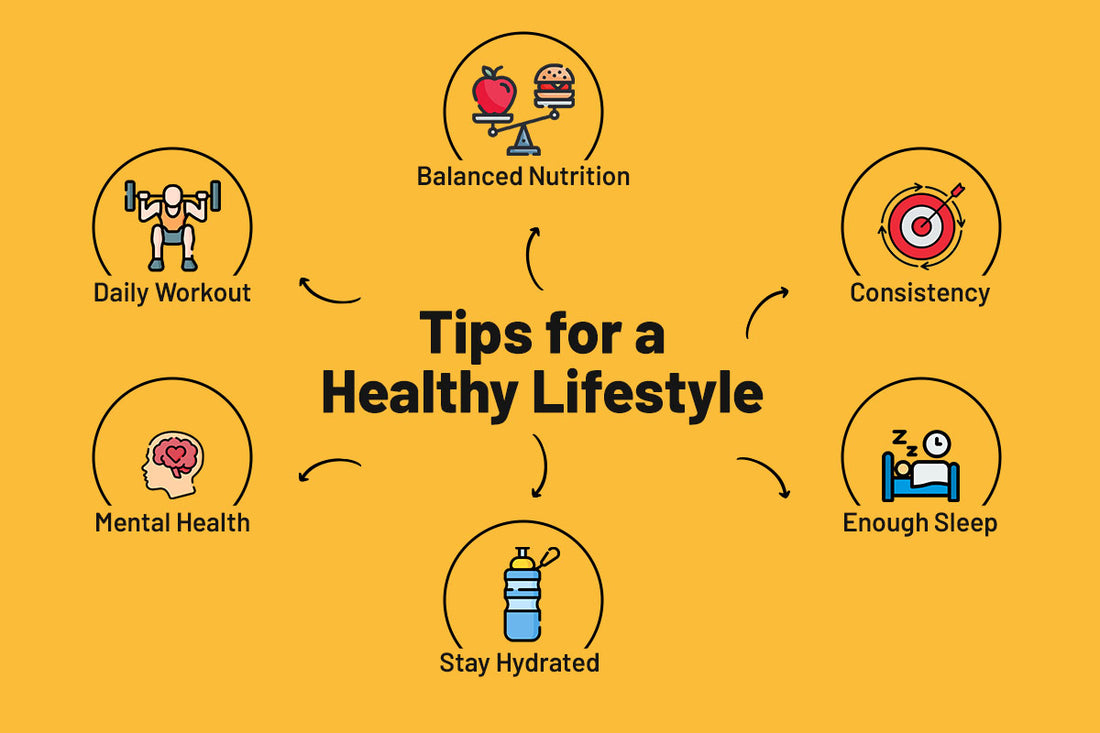
Improving your lifestyle naturally does not require drastic measures or expensive programs. Instead, it involves adopting consistent, science-backed habits that support physical health, emotional balance, and mental clarity. Prioritizing sleep, balanced nutrition, regular exercise, hydration, stress management, and meaningful relationships creates a strong foundation for long-term well-being.
The key to success lies in consistency rather than perfection. Small changes practiced daily can lead to profound improvements over time. By gradually incorporating these healthy habits into your routine, you create a sustainable path toward a healthier, happier, and more balanced life.