Japan Invests Rs 1 Lakh Crore in India in 10 Months
Union Commerce and Industry Minister Piyush Goyal has highlighted strong early progress on Japanese investment in India, stating that firms from Japan have already committed or invested around Rs 1 lakh crore within roughly ten months. The figure forms part of a larger ten-year target of 10 trillion yen, equivalent to about Rs 7 lakh crore, set in 2025. Speaking during his visit to Japan, Goyal expressed confidence that the full commitment could be realised in three to four years if the current pace continues.
Rapid Progress Against a Decade-Long Target
The 10-trillion-yen pledge represents a doubling of an earlier Japanese commitment. Japan had previously aimed to invest 5 trillion yen in India over ten years and achieved that goal in about five years. Encouraged by the faster-than-expected delivery, the two sides raised the ambition. Goyal noted that the latest target has “kickstarted extremely well,” with substantial investments already materialising in a short period.
This early momentum is significant because large bilateral investment targets often take years to translate into actual capital flows. The fact that nearly 15 percent of the new goal has been covered in under a year suggests growing confidence among Japanese companies in India’s market size, policy environment and long-term growth prospects.
Expanding the Japanese Business Footprint
Alongside the investment numbers, Goyal reiterated the goal of doubling the number of Japanese enterprises operating in India from around 1,500 to 3,000. He encouraged Japanese firms to look beyond traditional strengths and explore manufacturing, services, financial services, insurance and pension funds. The combination of Japanese precision engineering and technology with India’s scale and market depth, he argued, offers mutual advantages.
The minister also urged Japan to send investment survey missions, particularly focused on small and medium enterprises, to examine opportunities in India’s industrial townships. Greater participation by Japanese SMEs would broaden the base of engagement beyond large corporations and deepen supply-chain linkages.
A Shark Tank-Style Platform for Startups
In parallel with the investment discussion, Goyal proposed the creation of an India-Japan startup pitching series modelled on the popular Shark Tank format. The idea is to create structured opportunities for young companies from both countries to present their ideas to potential investors and partners.
Under the proposed arrangement, Indian startups could pitch directly to Japanese investors and corporations, while Japanese startups could seek Indian partners and pathways to scale in the large domestic market. Goyal suggested that such sessions could be organised frequently, including through digital platforms, to overcome geographical distance. The objective is to move conversations beyond initial pitches into pilots, concrete investments and eventual scaling of successful ventures.
An existing India-Japan pitching series has already connected dozens of Indian startups with Japanese corporations and generated multiple business tie-ups. Building on that foundation with a more regular, high-visibility format could accelerate cross-border collaboration in the innovation space.
Strategic Context of the Partnership
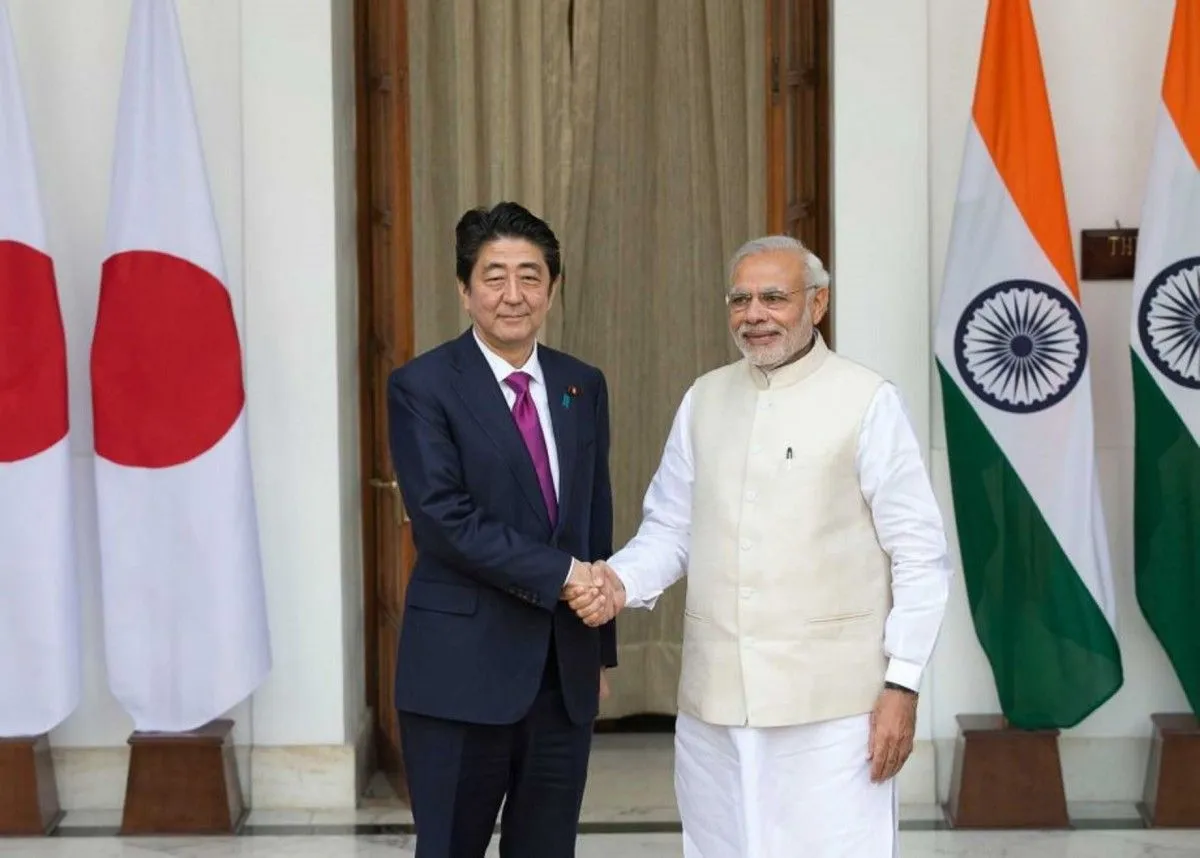
Goyal described Japan as one of India’s most important strategic partners and underlined the intention to expand the scope, scale and depth of economic engagement. The relationship already rests on strong foundations in automobiles, electronics, infrastructure and development cooperation. The current push seeks to add newer layers in deep technology, advanced manufacturing, clean energy and financial services.
Japan’s pools of patient capital—funds that can remain invested for longer periods—are seen as particularly valuable for early-stage and deep-tech startups that often struggle to find patient financing. Proposals for a “deeptech capital corridor” and greater co-investment alongside Indian alternative investment funds reflect an effort to institutionalise these flows rather than rely solely on one-off deals.
Trade and Broader Economic Goals
While investment forms the immediate focus, officials continue to work on expanding bilateral trade and addressing imbalances. India has been assisting exporters in meeting Japanese regulatory and quality requirements. Both sides have signalled openness to reviewing existing arrangements so that trade can grow in a more balanced manner.
The partnership is also framed within India’s longer-term economic ambitions. Japanese technology, capital and managerial expertise are viewed as useful inputs in the journey toward substantially higher national income levels over the coming decades. Consistent engagement with a major advanced economy helps diversify sources of investment and technology while strengthening strategic ties in the Indo-Pacific region.
Challenges and the Road Ahead
Despite the positive early numbers, translating large investment targets into sustained, productive capital on the ground requires continued policy predictability, efficient clearances and competitive operating conditions. Japanese companies often emphasise quality, reliability and long-term relationships; matching those expectations remains important for retaining momentum.
On the startup side, pitching platforms succeed only when they lead to follow-through. Regular sessions, clear processes for due diligence and support for pilot projects will determine whether the Shark Tank-style idea generates lasting commercial outcomes.
A Partnership Gathering Pace
The figures shared by the Commerce Minister indicate that Japanese capital is responding to opportunities in India more quickly than the formal ten-year horizon might suggest. Combined with concrete proposals to deepen startup collaboration and broaden sectoral participation, the message from the recent visit is one of accelerated engagement.
If the current rate of investment is maintained and the proposed platforms for entrepreneurship take root, the India-Japan economic relationship could deliver results well ahead of earlier timelines. For both countries, the prize is a more diversified, technology-rich and mutually beneficial partnership that supports growth, innovation and strategic alignment in a rapidly changing global economy.
Read more – wisdomsuvichar.com