Creating a Balanced Lifestyle: Proven Strategies for Enhanced Health and Lasting Happiness
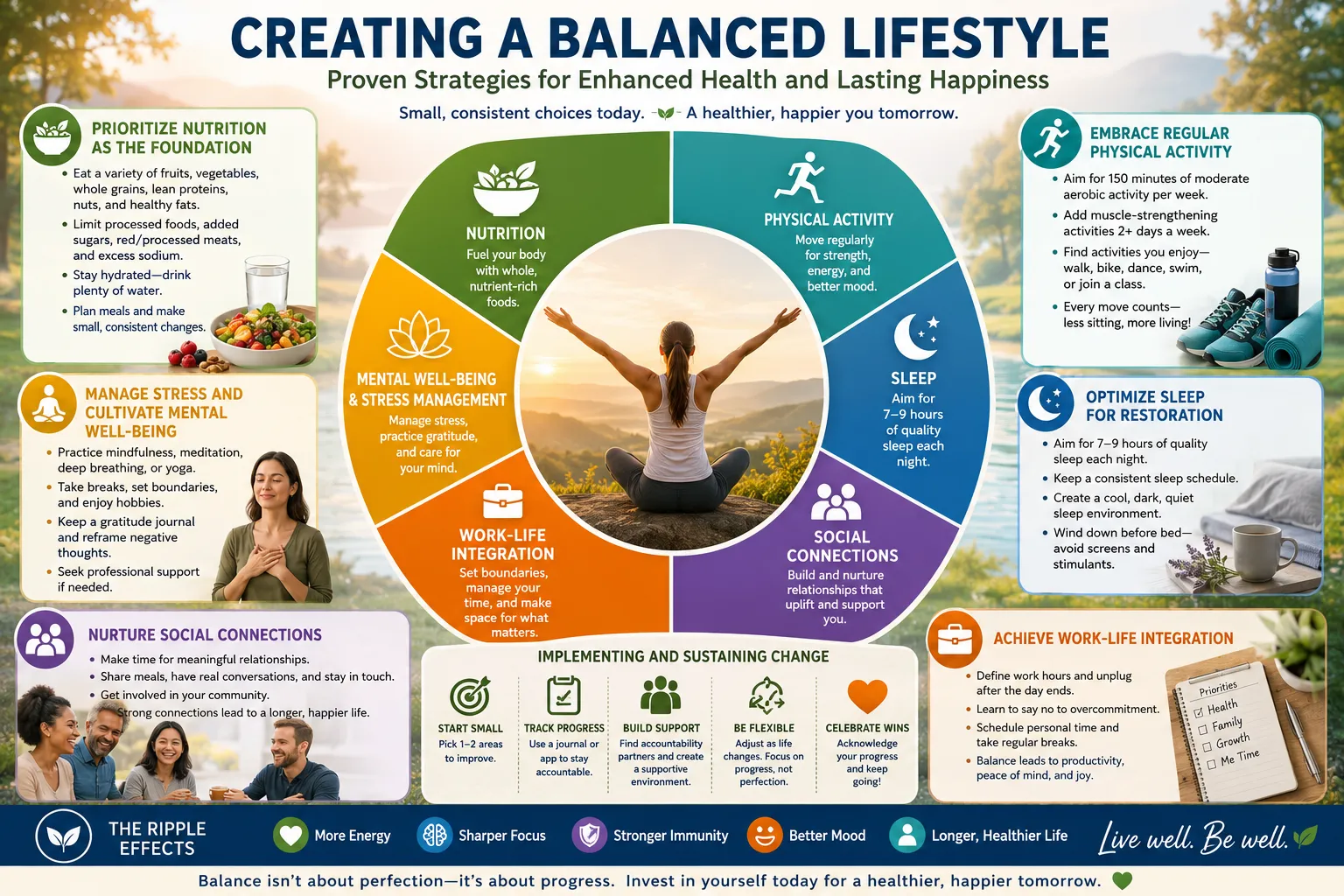
A balanced lifestyle integrates physical health, mental well-being, social connections, and daily responsibilities in a sustainable way. It is not about perfection or equal time allocation across every area but about making intentional choices that support long-term vitality. Research consistently shows that adopting healthy habits can significantly extend life expectancy and improve quality of life. For instance, studies highlight that maintaining key low-risk behaviors—such as a nutritious diet, regular activity, healthy weight, not smoking, and moderate alcohol intake—can add over a decade to life expectancy at age 50 compared to those with none of these habits.
This approach reduces risks of chronic conditions like heart disease, diabetes, and depression while fostering greater happiness through improved mood, energy, and resilience. Below is a practical guide to building such a lifestyle, drawing on evidence-based recommendations.
Prioritize Nutrition as the Foundation
A well-balanced diet fuels the body and mind, serving as a cornerstone of well-being. Focus on a variety of whole foods: fruits, vegetables, whole grains, lean proteins, nuts, seeds, and healthy fats while limiting processed items, added sugars, red and processed meats, and excessive sodium.
Practical steps include planning meals ahead, starting the day with a nutrient-rich breakfast, and aiming for colorful plates filled with produce. Hydration matters too—adequate water intake supports everything from cognitive function to energy levels. Evidence links higher fruit and vegetable consumption to lower risks of cardiovascular disease and type 2 diabetes. Small, consistent changes, like swapping sugary drinks for water or adding a serving of vegetables to each meal, yield compounding benefits without overwhelming restriction.
Embrace Regular Physical Activity
Movement is essential for physical strength, mental clarity, and disease prevention. Adults should aim for at least 150 minutes of moderate-intensity aerobic activity per week (such as brisk walking), plus muscle-strengthening activities on two or more days. This can be broken into ma
nageable sessions, like 30 minutes most days.
Activity boosts mood by releasing endorphins, improves sleep, helps maintain a healthy weight, and lowers risks of heart disease, stroke, and certain cancers. Incorporate movement naturally: walk during calls, take stairs, or join group classes for added social benefits. Even short bouts count—research shows that replacing sedentary time with light or moderate activity produces measurable health gains. Start where you are and gradually increase intensity for sustainable progress.
Optimize Sleep for Restoration
Quality sleep, ideally seven to nine hours per night for adults, is non-negotiable for health and happiness. It enhances memory, learning, immune function, and emotional regulation while reducing risks of obesity, diabetes, heart disease, and mood disorders.
Poor sleep, conversely, heightens stress, irritability, and cognitive fog. Establish a consistent schedule, create a restful environment (cool, dark, quiet), and wind down with relaxing routines like reading or light stretching—avoid screens before bed. Prioritizing sleep hygiene pays dividends in daily energy, productivity, and overall life satisfaction.
Manage Stress and Cultivate Mental Well-Being
Chronic stress undermines balance, so proactive management is key. Practices like mindfulness, meditation, deep breathing, or yoga help regulate emotions and lower anxiety. Taking breaks, setting boundaries, and engaging in hobbies recharge mental resources.
Gratitude journaling or reframing negative thoughts can shift perspectives toward positivity. Evidence links these approaches to better mood, resilience, and even physical health markers like blood pressure. Remember that mental health days or professional support when needed are signs of strength, not weakness. A balanced mind amplifies the benefits of other healthy habits.
Nurture Social Connections
Humans thrive on relationships. Strong social ties correlate with lower risks of depression, anxiety, dementia, and premature death, while boosting happiness, self-esteem, and healthy behaviors.
Make time for meaningful interactions—family meals, friend catch-ups, or community involvement. Even small acts like regular calls or shared activities build support networks. In a busy world, quality often matters more than quantity; prioritize relationships that uplift and provide mutual support.
Achieve Work-Life Integration
Sustainable balance requires boundaries. Define work hours, learn to say no to overcommitment, and unplug after the day ends. Schedule personal time as deliberately as professional tasks.
Flexibility helps, but structure prevents burnout. Incorporate movement, nutritious breaks, and downtime into routines. Employers increasingly recognize the value of wellness initiatives, but individual agency—such as using breaks for walks or relaxation—drives personal results.
Implementing and Sustaining Change
Start small to avoid overwhelm. Assess your current habits, pick one or two areas to improve (e.g., consistent sleep and daily walks), and track progress with a simple journal. Build supportive environments: prepare healthy snacks, set phone reminders for movement, or find accountability partners.
Flexibility is crucial—life’s demands fluctuate, so adjust without self-judgment. Regular self-reflection, perhaps weekly, helps realign priorities. Combine habits synergistically: a walk with a friend merges activity and connection, while mindful eating enhances both nutrition and presence.
Challenges like time constraints or motivation dips are normal. Focus on progress over perfection and celebrate wins. Long-term adherence comes from finding joy in the process—activities that feel rewarding rather than punitive.
The Ripple Effects on Health and Happiness
A balanced lifestyle yields profound outcomes: increased energy, sharper focus, stronger immunity, better emotional stability, and reduced chronic disease risk. Studies confirm that comprehensive healthy living extends not just lifespan but healthspan—the years lived vibrantly.
Happiness emerges as a byproduct: improved self-worth from caring for oneself, deeper connections, and a sense of purpose. It creates resilience against life’s stressors, fostering contentment and fulfillment.
Ultimately, balance is personal and evolves. By grounding choices in evidence-based practices—nourishing food, movement, restorative sleep, mental care, social bonds, and boundaries—you invest in a healthier, happier future. Begin today with one actionable step; the cumulative impact will transform your daily experience and long-term well-being. Consistency, compassion, and adaptability are your greatest allies on this journey.