10-Year Jail and ₹10 Crore Fine: Five Major Changes in India’s New Anti-Paper Leak Law
Why The New Law Matters
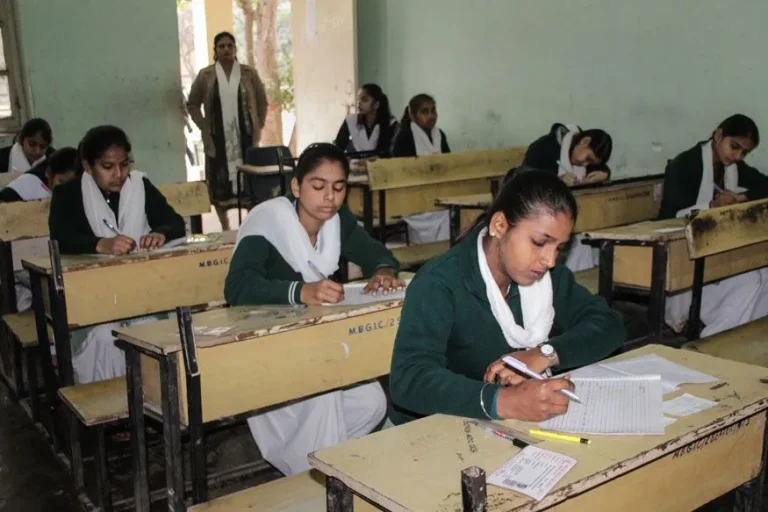
For years, paper leaks have damaged the trust of millions of students across India. Every time an important recruitment exam or entrance test gets leaked, honest candidates end up paying the biggest price. Months of preparation suddenly lose value because someone decided to make quick money through illegal methods. That frustration has been growing for a long time, and now the government has responded with a much stricter legal framework.
The new anti-paper leak law introduces heavy punishments, larger financial penalties, and stronger powers to investigate organized exam fraud. Instead of treating paper leaks as isolated incidents, the law now recognizes them as serious crimes that affect the country’s education system and public recruitment process. That alone makes this legislation different from earlier efforts.
A Strong Message Against Exam Fraud
The government believes examination fraud is no longer a small administrative problem. It has become a nationwide issue involving criminal networks, technology misuse, and organized groups working together. Because of this, the penalties under the new law have become significantly tougher than before.
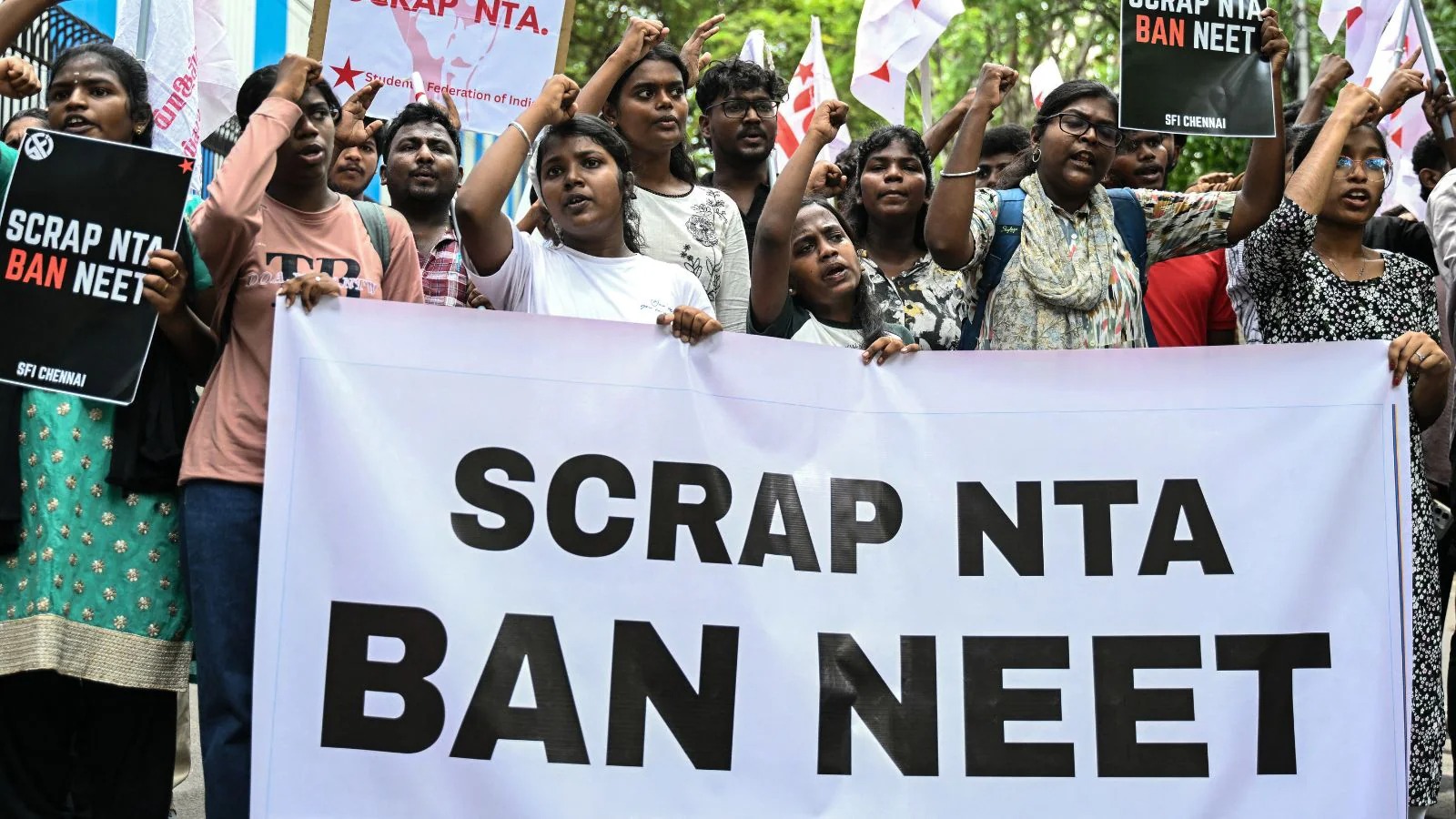
Students have repeatedly demanded fairness after several recruitment exams were canceled because confidential papers reached candidates before the official examination. Such incidents not only waste public money but also create emotional stress for lakhs of deserving applicants. The latest law attempts to stop this cycle by making the risks much higher for those involved.
First Big Change: Up To Ten Years In Prison
One of the biggest highlights of the new law is the punishment itself. Anyone found guilty of leaking examination papers or participating in organized cheating can face imprisonment of up to ten years. Earlier punishments were often considered too weak to discourage professional cheating networks.
A prison sentence of this length sends a very different signal. The government clearly wants criminals to understand that examination fraud is now treated much more seriously than before. Authorities hope that stronger punishment will discourage future attempts before they even begin.
The long jail term also reflects the wider damage caused by paper leaks. When a national examination gets canceled, students lose valuable time, government departments delay recruitment, and public confidence falls sharply. Those consequences are no longer viewed as minor administrative failures.
Second Big Change: Fine Up To ₹10 Crore
The financial penalty under the law is another major talking point. Institutions or organized groups involved in examination leaks can face fines reaching ₹10 crore. That amount is large enough to impact companies or organized rackets that previously treated penalties as simply another business expense.
Money has often driven examination fraud. Illegal coaching operators, technology experts, middlemen, and organized criminal groups have reportedly earned huge profits by selling confidential question papers before examinations. Large financial penalties directly target those profits.
Instead of allowing criminals to benefit economically, the law tries to make paper leak operations financially impossible. Losing several crores through penalties could discourage many organized groups from entering this illegal business altogether.
Third Big Change: Organized Crime Comes Under Focus
Another noticeable feature of the legislation is its focus on organized criminal activity rather than only individual offenders. Investigators can now examine entire networks instead of punishing only the person who physically leaked the paper.
Paper leaks rarely happen because of one individual working alone. In many reported cases, insiders, printing staff, technology experts, brokers, and buyers all played different roles. Breaking one link often failed because the larger network continued operating.
The new approach recognizes this reality. Authorities are expected to identify everyone involved in planning, distributing, financing, and profiting from leaked examination material. That wider investigation model could improve enforcement if implemented effectively.
Fourth Big Change: Tough Action Against Service Providers
The law also addresses organizations responsible for conducting examinations. If agencies or service providers are found guilty of negligence or direct involvement in examination fraud, they may face severe punishment along with heavy financial consequences.
This matters because many competitive examinations today depend upon private agencies for logistics, digital systems, transportation, printing, and secure storage. Weak security at any stage increases the risk of confidential papers reaching unauthorized people.
By holding organizations accountable, the government hopes examination agencies will invest more seriously in cybersecurity, document protection, background verification, and monitoring systems. Better preventive measures may reduce opportunities for leaks before examinations begin.
Fifth Big Change: Faster Investigation And Stronger Enforcement
The legislation provides stronger legal backing for investigations into examination fraud. Law enforcement agencies receive clearer authority to investigate large-scale paper leak cases involving multiple states or organized criminal groups.
Modern paper leak operations frequently involve encrypted messaging applications, digital payments, fake identities, and online communication. Investigating such crimes requires technical expertise and legal authority to collect evidence efficiently.
The government expects quicker investigations to improve conviction rates. Earlier, lengthy legal procedures sometimes weakened cases because evidence disappeared or suspects escaped. Stronger enforcement powers could make prosecution more effective if used responsibly and transparently.
Why Students Are Watching Closely
Students have welcomed tougher punishment in principle, although many believe implementation will matter more than the wording of any law. Strong legislation alone cannot guarantee fair examinations if security systems remain weak.
Many candidates have experienced repeated examination cancellations over recent years. Recruitment delays have affected careers, family finances, and personal confidence. Some applicants prepared for years only to discover that leaked papers forced authorities to cancel the examination completely.
Because of these experiences, students now expect visible improvements rather than promises. Secure examination centers, digital monitoring, encrypted paper transmission, and transparent investigations may become equally important alongside legal punishment.
Challenges That Still Remain
No law automatically eliminates crime overnight. Criminal networks constantly change methods whenever authorities strengthen regulations. Technology has made communication faster, anonymous payments easier, and confidential information more difficult to protect.
Authorities must therefore continue improving examination security alongside legal reforms. Artificial intelligence monitoring, secure printing facilities, biometric verification, restricted access systems, and better employee screening could all become important parts of future examination management.
Another challenge involves ensuring innocent candidates never become victims during investigations. Fair enforcement requires strong evidence, transparent procedures, and respect for legal rights while pursuing offenders aggressively.
Could This Restore Public Trust?
Public confidence depends largely upon consistency. If authorities investigate every paper leak quickly and punish guilty individuals without unnecessary delays, trust may gradually return. Students generally want certainty more than dramatic announcements.
The new law certainly raises the stakes. A potential ten-year prison sentence and financial penalties reaching ₹10 crore represent one of the strongest legal responses India has introduced against examination fraud. Whether these provisions become genuine deterrents depends on consistent enforcement across every level of administration.
Over time, successful implementation could reduce examination cancellations, improve recruitment timelines, and reassure candidates that honest preparation still matters. That remains the ultimate objective behind the legislation.
Looking Ahead
India conducts thousands of competitive examinations every year, involving millions of students and job seekers. Even one leaked examination paper can affect countless futures. The new anti-paper leak law attempts to protect those aspirations by introducing tougher punishment, greater accountability, and stronger investigative powers.
Success, however, will depend upon cooperation between governments, examination agencies, law enforcement officials, educational institutions, and technology experts. Every stage of the examination process must remain secure if the law is expected to achieve lasting results.
Conclusion
The new anti-paper leak law marks a significant shift in how India plans to tackle examination fraud. With prison terms of up to ten years, fines reaching ₹10 crore, tougher action against organized networks, stronger accountability for examination agencies, and enhanced investigation powers, the legislation sends a clear warning that paper leaks will no longer be treated lightly. Even so, real success will depend on honest implementation, better security practices, and swift justice. Students deserve examinations based entirely on merit, not manipulation. Stay informed about education policy updates, follow verified government announcements, and support transparent examination systems that reward genuine hard work and integrity.