Why Air India Chose Tewolde Gebremariam as CEO for Its Toughest Turnaround
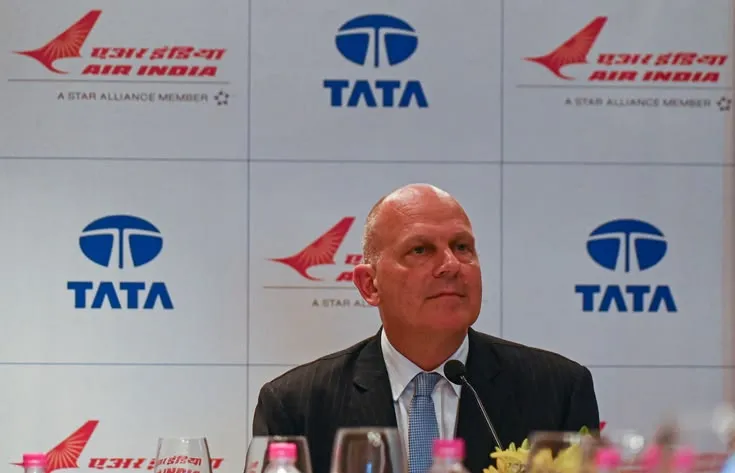
Air India has appointed Tewolde Gebremariam, the former chief executive of Ethiopian Airlines Group, as its new Chief Executive Officer and Managing Director. The decision, announced by the airline’s board, marks a deliberate shift in leadership as the Tata Group-owned carrier moves from an initial phase of stabilisation into a more demanding period of operational execution, network expansion and sustained profitability.
Gebremariam will succeed Campbell Wilson, who has led Air India since the Tata acquisition in 2022 and is due to step down at the end of September. The incoming CEO is expected to take charge from October, subject to necessary approvals. The appointment follows a comprehensive global search overseen by a dedicated board committee that evaluated both internal and external candidates.
A Proven Record of Large-Scale Transformation
Gebremariam spent more than three decades at Ethiopian Airlines, rising through commercial, cargo, network and regional roles before becoming Group CEO in 2011. Over the following eleven years he oversaw one of the most notable airline transformations of the past two decades.
Under his leadership, Ethiopian Airlines evolved from a respected regional carrier into Africa’s largest and most profitable aviation group. Annual revenue grew more than fourfold, rising from roughly one billion dollars to between 4.5 and five billion dollars. The fleet expanded from 33 aircraft to approximately 134. International destinations roughly doubled to 128, while annual passenger numbers increased from about three million to twelve million. The airline also invested heavily in maintenance, repair and overhaul facilities, pilot and engineering training, and cargo infrastructure, creating an integrated aviation ecosystem that became a reference point for carriers in emerging markets.
Equally significant was his handling of successive crises. Ethiopian Airlines remained profitable through the COVID-19 pandemic without accepting government bailouts or implementing large-scale layoffs, largely by pivoting strongly to cargo operations. Gebremariam also steered the airline through the grounding of the Boeing 737 MAX fleet after a fatal accident involving one of its aircraft, as well as earlier disruptions such as outbreaks of SARS, MERS and Ebola. These experiences demonstrated an ability to maintain operational discipline and workforce cohesion under extreme pressure.
After leaving Ethiopian Airlines in 2022 for health-related reasons, he served as a senior strategic adviser on international business and emerging-market logistics for Delta Air Lines and the World Bank Group’s International Finance Corporation.
Why the Board Selected Him
Air India’s board stated that its objective was to identify a leader with a proven record of managing mega-scale airline turnarounds, delivering operational excellence, fostering a strong culture of safety and service, and driving profitable expansion. After an intensive evaluation process, the board concluded that Gebremariam possessed the ideal combination of leadership, deep operational expertise and strategic execution capability required for the airline’s next phase.
Tata Sons and Air India Chairman N. Chandrasekaran framed the appointment in the context of the carrier’s evolving needs. The initial phase under Wilson had focused on stabilisation, integration of the group’s airline businesses and securing major fleet commitments. Air India is now entering what Chandrasekaran described as a critical execution and expansion era. He highlighted Gebremariam’s track record in building one of the world’s most efficient and profitable airline groups, along with his operational expertise, commitment to safety and vision for hub development, as qualities that will be instrumental in establishing Air India as a premier global carrier.
The Challenges Awaiting the New CEO
The timing of the appointment reflects the scale of the task ahead. Air India continues to report substantial losses. It is still recovering from the aftermath of a fatal crash in 2025 that intensified regulatory scrutiny and public attention on safety and operational standards. Geopolitical tensions, including conflict in the Middle East and restrictions on Pakistan’s airspace, have lengthened routes, increased fuel burn and raised operating costs. Fleet expansion and cabin refurbishment programmes have faced delays, while consistent operational reliability and restoration of customer confidence remain works in progress.
These pressures come on top of the broader difficulties facing full-service carriers worldwide: high fuel prices, intense competition on international routes, and the need to modernise products and service standards while controlling costs. For a legacy airline with a complex workforce and a public mandate to become a national flagship, the combination of challenges is particularly demanding.
What Gebremariam Brings to the Role
Observers point to several transferable strengths. His experience building a profitable hub-and-spoke model in Addis Ababa offers relevant lessons for Air India’s ambitions to strengthen its position as a global connector, particularly between Asia, Europe, Africa and North America. His emphasis on in-house technical capability and training aligns with the need to improve engineering reliability and reduce dependence on external providers. His record of navigating crises without sacrificing long-term strategy suggests a leadership style suited to balancing immediate operational recovery with multi-year transformation goals.
Gebremariam himself has described the appointment as a profound honour. He has spoken of Air India’s legacy and the opportunity to build a world-class global airline that reflects India’s economic potential. His stated priorities include delivering exceptional operational reliability, warm Indian hospitality and sustained long-term growth, working closely with the board, employees and industry partners.
A Strategic Bet on Execution
The choice of an external candidate with deep emerging-market airline experience, rather than an internal promotion or another executive from a legacy Western or Asian carrier, signals the board’s assessment of what the next phase requires. Air India has already secured large aircraft orders and begun network and product upgrades. The harder task now is consistent delivery: reliable schedules, competitive unit costs, stronger safety culture, improved customer experience and a path to sustainable profitability.
Tewolde Gebremariam’s career demonstrates that such outcomes are achievable even in challenging operating environments. Whether those lessons can be adapted successfully to Air India’s scale, history and current constraints will define the next chapter of the airline’s long turnaround. For the Tata Group, the appointment represents a clear bet that proven operational leadership and hub-building expertise are the capabilities most needed at this juncture.
Read more – prism-fashion.com