FSSAI Bars Sale of Old Monk, Bagpiper, Royal Challenge Variants Over Flavouring
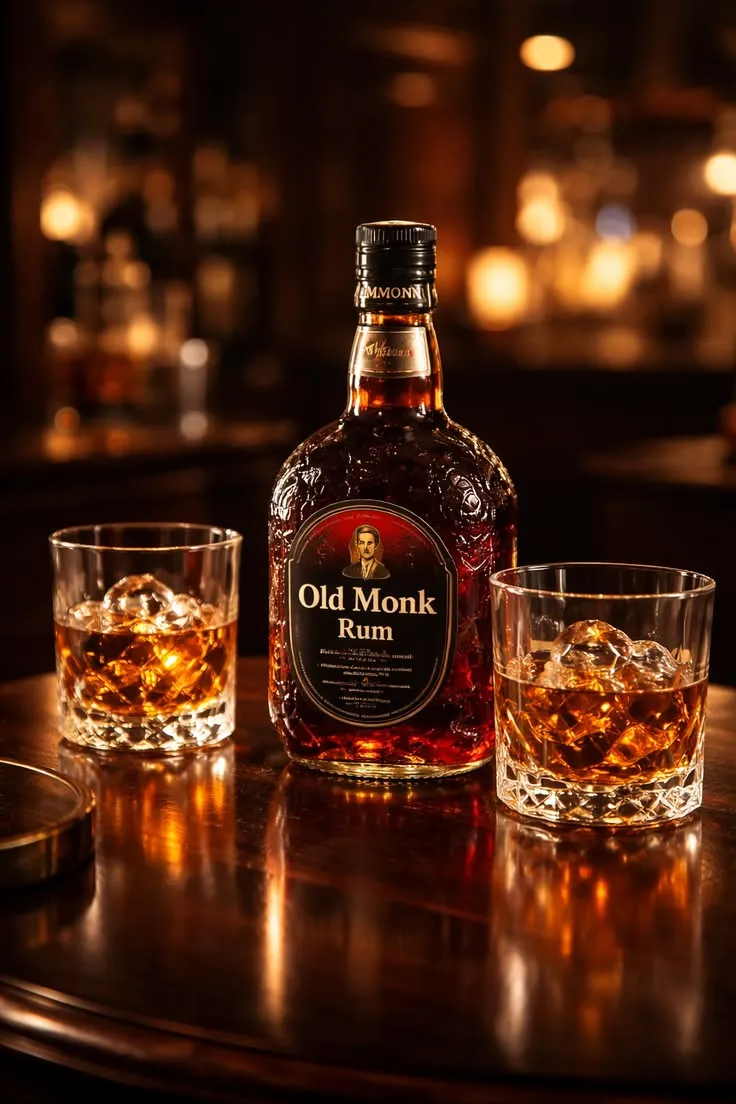
India’s food safety regulator has ordered a halt on the sale of selected variants of several well-known alcoholic beverages after laboratory tests detected artificial or nature-identical flavouring. The Food Safety and Standards Authority of India (FSSAI) action covers specific products under the Old Monk, Bagpiper, Royal Challenge and Antiquity Blue brands, among others. The regulator found that external flavours had been added to replicate the characteristic taste and aroma of rum or whisky rather than allowing those qualities to develop through permitted production processes.
What the Regulator Found
According to official findings, samples from multiple manufacturing units contained added flavouring substances that mimic the natural profile of the finished drink. FSSAI maintains that such additions render the products sub-standard when they are marketed as regular rum or whisky. Under existing food safety regulations, if external flavours are used to create the expected sensory character, the products should be clearly identified as flavoured spirits and labelled accordingly on the front of the pack.
The ban specifically affects certain production facilities. These include units making three popular Old Monk rum variants in Maharashtra, Bagpiper Deluxe Whisky and related products in Madhya Pradesh, and Royal Challenge Whisky and Antiquity Blue Whisky manufactured by United Spirits in Madhya Pradesh. Other brands and facilities have also come under scrutiny as part of the wider enforcement drive.
Scope of the Order and Industry Impact
The prohibition applies to the identified variants and manufacturing locations rather than an across-the-board ban on the brand names themselves. Companies are assessing the commercial and operational consequences. Existing stock, labelling requirements, and the possibility of reformulation or relabelling are among the immediate concerns. Some reports indicate that conditional permissions for disposal of current inventory after appropriate changes have been discussed in related proceedings.
The move forms part of a broader examination of flavour use, labelling accuracy, and age-related claims in the alcoholic beverage sector. FSSAI has clarified that flavouring substances are not prohibited outright. They may be used when there is a legitimate technological need and when the product is correctly described to consumers. The current action targets cases in which added flavours were used to simulate the profile of a standard category product without corresponding disclosure.
Regulatory Principles Behind the Action
Alcoholic beverages fall under food safety standards that govern composition, additives, and truthful labelling. Rum and whisky have defined expectations regarding how their taste and aroma are developed, typically through fermentation, distillation, and maturation of the base materials. Introducing external flavour compounds that imitate those qualities, while still presenting the drink as a conventional rum or whisky, is viewed as misrepresentation.
The regulator’s position emphasises consumer protection through accurate product identity. Shoppers relying on familiar category names should receive products that meet the corresponding standards. When formulations deviate through the use of nature-identical or artificial flavours, clearer naming and labelling are required so that purchasers understand what they are buying.
Response and Next Steps for Manufacturers
Affected companies face decisions on reformulation, revised labelling, or legal challenges. In some instances, manufacturers have explored options for existing stock and sought clarity on compliance pathways. The outcome of any representations or court proceedings will influence how quickly specific variants return to the market and under what descriptions.
For the wider industry, the enforcement signals heightened attention to additive use and claim accuracy. Producers may review recipes, documentation, and packaging to ensure alignment with current interpretations of the rules. Consistency in manufacturing practices across facilities will also be relevant, as the orders have been unit-specific in several cases.
Implications for Consumers
Consumers will notice temporary unavailability of the named variants in some regions. The action does not imply that all products under these brand names are affected, nor does it constitute a safety recall based on health hazards from the flavours themselves. The core issue is compliance with standards of identity and labelling.
Shoppers who prefer products made without added flavouring compounds intended to simulate maturation or base character may view the enforcement as reinforcing category integrity. Others may simply encounter changes in availability or packaging as companies adjust. Clear front-of-pack information, when required, should help distinguish standard category drinks from flavoured spirits.
Wider Context of Food Safety Oversight
The episode illustrates the expanding reach of food safety regulation into the alcoholic drinks sector. As testing capabilities improve and enforcement priorities evolve, practices that were previously less scrutinised can come under formal review. Similar attention has been directed at other aspects of labelling and composition in recent periods.
Maintaining consumer trust depends on both rigorous standards and transparent communication. Regulators aim to ensure that product names and category claims correspond to actual composition and production methods. Manufacturers, in turn, must navigate the practical requirements of compliance while managing established brands and consumer expectations.
Looking Ahead
The immediate effect is restricted sale of the identified variants pending compliance measures. Longer-term consequences will depend on how companies reformulate or relabel products and how the regulator applies the same principles across the industry. Further guidance or case-by-case resolutions may clarify the boundary between permitted technological use of flavours and practices considered misrepresentative.
For now, the FSSAI order underscores that familiar brand names and category designations carry regulatory expectations. When artificial or nature-identical flavouring is used to create the expected sensory profile of rum or whisky, the product must be presented to consumers in a manner that reflects that reality. The current enforcement action against selected Old Monk, Bagpiper, Royal Challenge and Antiquity Blue variants puts that principle into practice and places the broader drinks sector on notice regarding composition and labelling standards.
Read more – GadgetsMonk.com