Salil Parekh Says He Is Not Retiring and Plans to Keep Adding Value Beyond Infosys Leadership
A Clear Message About Future Plans
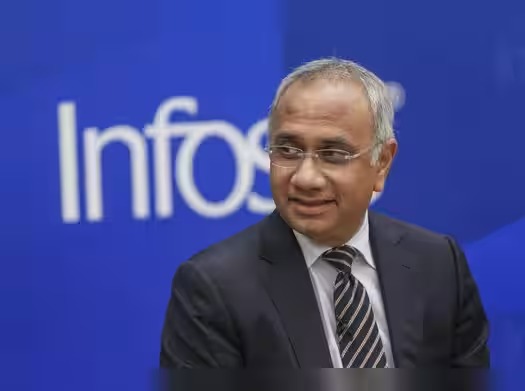
The conversation around Salil Parekh has become much louder after he openly said that retirement is not something he is thinking about right now. Instead of stepping away from the corporate world, he made it clear that he wants to continue contributing in meaningful ways even after his tenure at Infosys eventually comes to an end. That statement caught attention because many business leaders choose to slow down after leading a global company for years. Parekh seems to have a different mindset altogether. He believes experience remains valuable for a long time, and there are always opportunities to create impact through leadership, technology, innovation, or mentoring.
Why His Statement Matters Today
Business leadership changes often create uncertainty among employees, investors, and industry watchers. Whenever a successful chief executive begins speaking about the future, people naturally start wondering whether retirement is close. Salil Parekh addressed those assumptions directly. Rather than discussing an exit, he emphasized his desire to keep working and contributing wherever his knowledge can make a difference. That message also reflects how experienced executives increasingly view careers today. Retirement no longer has to mean stopping completely. Many continue advising companies, supporting startups, mentoring young professionals, or serving on corporate boards while remaining active in business.
Infosys Has Seen Significant Growth
During his leadership period, Infosys experienced remarkable progress across multiple business segments. The company strengthened relationships with global clients while continuing investments in cloud computing, artificial intelligence, cybersecurity, and digital transformation services. These strategic decisions helped Infosys remain competitive despite changing economic conditions and shifting technology trends.
Parekh has frequently highlighted disciplined execution instead of chasing headlines. That approach earned appreciation from investors because consistent performance often matters more than dramatic announcements. Even during uncertain global markets, the company focused on operational stability, talent development, and customer satisfaction. Those priorities gradually strengthened its reputation across international markets.
Leadership Beyond A Job Title
Many executives define themselves by their designation. Salil Parekh’s recent comments suggest something different entirely. His focus appears centered on contribution rather than position. That subtle difference changes how people interpret his future plans. Someone who values contribution can remain influential even without holding the highest executive office.
Corporate leadership is evolving rapidly. Experienced professionals increasingly guide organizations through advisory roles, strategic consulting, educational initiatives, and technology innovation. Parekh’s statement fits comfortably within that larger trend. Rather than signaling an ending, it sounds more like preparation for another chapter that could look very different while remaining equally meaningful.
Experience Still Holds Massive Importance
Technology changes almost every month, yet experienced leadership continues holding tremendous value inside global organizations. Knowledge gained through decades of handling customers, managing crises, building teams, and making difficult decisions cannot easily be replaced by algorithms or automation.
Salil Parekh has spent years working across international markets, giving him exposure to diverse business cultures and technology ecosystems. Such experience becomes especially useful when industries face uncertainty. Leaders who have managed previous economic cycles often recognize patterns that younger executives have never encountered before. That perspective helps companies make balanced decisions rather than emotional ones.
Infosys Employees May See Positivity
Employees usually pay close attention whenever senior leadership discusses future plans. Statements about retirement sometimes trigger concerns regarding organizational direction or leadership continuity. Parekh’s remarks may instead offer reassurance because they reflect confidence, stability, and continued engagement with the broader technology sector.
For many professionals working inside Infosys, this attitude reinforces the importance of long-term thinking. Careers should focus on continuous learning rather than fixed timelines. Technology professionals constantly update their skills, and experienced leaders often continue learning alongside younger colleagues. That culture encourages innovation without losing valuable institutional knowledge.
The Indian Technology Industry Keeps Changing
India’s technology industry has transformed dramatically over the past two decades. Companies now compete globally across artificial intelligence, cloud infrastructure, digital engineering, automation, analytics, and enterprise software services. Competition has become stronger, while customer expectations continue rising every single year.
Within this environment, respected business leaders influence much more than their own companies. Their decisions often shape investor confidence, hiring trends, industry partnerships, and innovation strategies. Salil Parekh’s willingness to remain professionally active even after Infosys demonstrates how leadership experience can continue benefiting the wider technology ecosystem rather than ending with one executive role.
Retirement Means Different Things Now
Traditional retirement once meant leaving work permanently after reaching a certain age. Modern business rarely follows that pattern anymore. Many executives complete one leadership journey before beginning another in entirely different areas. Some become investors. Others mentor entrepreneurs. Many join academic institutions, nonprofit organizations, or technology advisory boards.
Parekh’s comments reflect this broader evolution. Continuing to add value does not necessarily require leading another multinational corporation immediately. Contribution can happen through guidance, innovation, governance, or supporting future generations of business leaders. That flexibility makes modern careers far more dynamic than they were decades ago.
Investors Watch Leadership Carefully
Investors understand that strong leadership contributes significantly to business performance. Whenever chief executives discuss long-term plans, financial markets naturally pay attention because leadership transitions can influence strategic direction.
At the same time, experienced organizations usually prepare succession plans well before leadership changes occur. Stable companies focus on institutional strength rather than depending entirely on one individual. Parekh’s statement about remaining active beyond Infosys should therefore be viewed as a personal perspective about continuing professional contributions instead of creating uncertainty regarding the company’s future leadership.
A Message For Young Professionals
Young professionals can learn something surprisingly practical from this discussion. Careers should not revolve around reaching one destination and stopping there. Real professional growth comes from continuous learning, adapting to industry changes, and remaining curious throughout different stages of life.
Salil Parekh’s outlook demonstrates that meaningful work does not suddenly lose importance after completing one major leadership role. Instead, accumulated knowledge becomes even more valuable because it can help others solve complex challenges. That mindset encourages professionals to think beyond promotions and salaries while building lasting expertise over decades.
Looking Beyond One Corporate Chapter
Every successful executive eventually reaches a point where one significant chapter closes. What happens afterward often becomes equally interesting. Some disappear quietly from public attention. Others reinvent themselves completely through new industries or entrepreneurial ventures. A few dedicate time to education, research, public policy, or mentoring emerging business founders.
Based on his recent comments, Salil Parekh appears interested in remaining engaged rather than stepping aside. Exactly what form that future contribution will take remains uncertain, yet his intention feels clear. He believes there are still opportunities to create value, share experience, and contribute positively after completing his journey at Infosys.
Conclusion
Salil Parekh’s statement sends a thoughtful message that extends beyond retirement discussions. It highlights the growing belief that professional contribution does not end with one leadership role or one successful tenure. His willingness to stay engaged reflects confidence in lifelong learning, responsible leadership, and the lasting importance of experience within the technology industry. Whether through mentoring, advisory responsibilities, innovation initiatives, or future business opportunities, his knowledge can continue benefiting organizations and professionals alike. As the corporate world evolves, leaders who remain committed to creating value beyond formal titles will likely shape the next generation of business success.
Read More :-