Ethanol Blending in Fuel Around the World: How Brazil Leads and Where Other Countries Stand Today
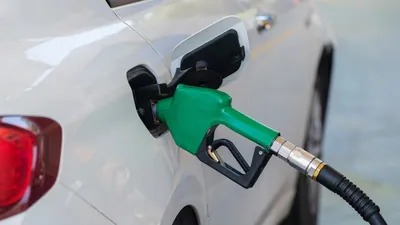
Fuel prices never seem to stay in one place for long. Climate concerns keep growing every single year. Governments are searching for cleaner energy without forcing people to abandon traditional vehicles immediately. That is exactly why ethanol blending in fuel has become an important part of global energy discussions. Countries are adding ethanol to gasoline because it can reduce dependence on crude oil while lowering certain emissions from transportation. Still, every nation follows a different path, and the results have been surprisingly different across regions.
Why Ethanol Blending Matters Today
Most people hear about ethanol but rarely think about what actually goes into their fuel tanks every morning. Ethanol is a renewable alcohol-based fuel generally produced from crops such as sugarcane, corn, wheat, or even agricultural waste. Instead of replacing gasoline completely, governments mix a certain percentage of ethanol with conventional petrol before it reaches consumers.
The main reason behind this approach is fairly practical. Imported crude oil costs billions every year, and countries want to reduce that burden without changing existing vehicle infrastructure overnight. Ethanol also burns differently than pure gasoline, which may help lower some harmful exhaust emissions under suitable conditions. The exact environmental benefit still depends on how the ethanol itself gets produced, making the topic much more complicated than simple advertising slogans sometimes suggest.
Brazil Became the Global Benchmark
When experts discuss successful ethanol blending in fuel, Brazil almost always enters the conversation first. The country began investing heavily in ethanol production decades ago after major oil price shocks created serious economic pressure. Rather than depending only on imported petroleum, Brazil expanded sugarcane farming and built an industry around renewable fuel production.
Sugarcane gives Brazil an important advantage over many countries. Compared with several other feedstocks, sugarcane generally delivers higher energy output with relatively lower production emissions. That efficiency helped Brazil develop a mature ethanol economy instead of treating blending as only a temporary experiment.
Drivers across Brazil are also familiar with flex-fuel vehicles. These cars can run on gasoline, ethanol, or nearly any combination between them. That flexibility gives consumers options depending on current fuel prices while supporting domestic agricultural industries at the same time.
How Brazil’s Fuel System Actually Works
Brazil’s fuel strategy looks different from most other countries because blending percentages have steadily increased over many years rather than changing suddenly. Gasoline sold across much of the country already contains a high proportion of ethanol compared with international standards.
Large-scale sugarcane cultivation supports consistent production throughout the year. Modern processing facilities convert harvested crops into ethanol before distribution through established fuel networks. Since this infrastructure already exists nationwide, consumers rarely think about whether their gasoline contains ethanol because it has become completely normal.
Government policies also encouraged investments for decades. Stable regulations gave fuel companies confidence to expand production instead of waiting for uncertain policy changes every few years. That long-term planning played a major role in Brazil’s success story.
United States Takes a Different Approach
The United States stands among the world’s biggest ethanol producers, although the production model differs significantly from Brazil. American ethanol mainly comes from corn rather than sugarcane. Corn remains widely available throughout major farming states, making domestic production economically attractive despite ongoing debates regarding food supply and land use.
Most gasoline sold across America contains around ten percent ethanol under common blending programs. Higher blends are also available for compatible vehicles in selected markets. Flexible fuel vehicles exist in the United States too, although consumer adoption has not reached Brazilian levels.
Supporters argue ethanol strengthens energy security while supporting rural economies. Critics continue questioning overall environmental benefits because corn cultivation requires fertilizer, irrigation, transportation, and significant energy inputs before fuel reaches filling stations.
India Is Expanding Rapidly
India has accelerated ethanol blending much faster than many observers expected only several years ago. Rising fuel imports and ambitious renewable energy targets encouraged policymakers to expand domestic ethanol production using sugarcane, damaged grains, maize, and other approved agricultural materials.
Government incentives encouraged sugar mills to diversify income through ethanol manufacturing alongside traditional sugar production. Farmers also gained additional market opportunities as blending targets gradually increased nationwide.
India still faces logistical challenges involving storage capacity, regional production differences, transportation costs, and seasonal crop availability. Even so, progress has been substantial compared with earlier years, placing India among countries making significant advances in renewable transportation fuels.
Europe Follows Multiple Models
Europe cannot really be described with one simple answer because every country follows different fuel policies. France, Germany, Sweden, and several neighboring nations support ethanol blending through various renewable fuel regulations, although percentages often differ between markets.
European production relies on crops including wheat, sugar beet, and corn depending on regional agricultural conditions. Environmental sustainability receives considerable attention throughout the European Union, leading to strict standards regarding greenhouse gas reductions and responsible feedstock sourcing.
Many European governments also balance ethanol expansion with growing investments in electric mobility. Instead of choosing one technology alone, policymakers increasingly support several cleaner transportation options simultaneously.
China and Other Asian Countries
China continues investing heavily in cleaner transportation technologies, although electric vehicles currently receive much greater international attention. Ethanol blending programs exist in selected provinces, particularly where agricultural production supports domestic feedstock availability.
Thailand has become another notable example by promoting ethanol blends produced largely from sugarcane and cassava. Consumers there commonly purchase gasoline containing ethanol through established retail fuel networks.
Japan has explored biofuel development cautiously while emphasizing technology improvements and energy efficiency across transportation sectors. Different national priorities explain why ethanol adoption varies considerably throughout Asia despite growing interest in renewable fuels.
Challenges Slowing Global Expansion
Despite impressive progress, ethanol blending still faces genuine obstacles that cannot simply disappear through optimistic government announcements. Crop production depends heavily on weather conditions, rainfall patterns, and changing climate realities. Poor harvests can affect ethanol availability almost immediately.
Food security also remains part of the discussion. Some economists argue using food crops for fuel could increase agricultural prices under certain market conditions. Others believe improved farming techniques and diversified feedstocks can reduce those concerns over time.
Infrastructure investments create another barrier. Storage facilities, transportation systems, refinery upgrades, and compatible distribution networks require substantial financial commitments before nationwide blending programs become practical.
Vehicle compatibility occasionally raises questions as well. While lower ethanol blends generally work with modern engines, higher concentrations may require specially designed fuel systems depending on manufacturer specifications.
Environmental Benefits Need Careful Evaluation
Many people automatically assume ethanol is always cleaner than gasoline. Reality turns out slightly more complicated once scientists examine complete production cycles. Environmental performance depends greatly on feedstock selection, farming methods, transportation distances, fertilizer use, processing technology, and land management practices.
Brazil often receives positive recognition because sugarcane-based ethanol generally achieves stronger greenhouse gas reductions compared with several alternative production methods. Corn-based ethanol has improved significantly through better farming efficiency and cleaner manufacturing technologies, although debate continues among researchers regarding long-term environmental impacts.
Future generations of biofuels may rely increasingly on agricultural waste, forestry residues, and non-food biomass instead of traditional food crops. Those innovations could improve sustainability while reducing competition between food production and renewable fuel manufacturing.
What the Future Could Look Like
The future probably will not belong to only one transportation technology. Electric vehicles continue expanding rapidly across developed markets. Hydrogen research keeps attracting investment. Traditional internal combustion engines still dominate millions of roads worldwide, especially across developing economies.
That combination creates space for ethanol blending to remain relevant during the global energy transition. Instead of replacing every gasoline-powered vehicle overnight, renewable fuel blends can reduce petroleum consumption while cleaner technologies continue developing.
Countries will likely adjust blending targets according to domestic agriculture, economic priorities, energy security concerns, and environmental goals. Brazil has already demonstrated what long-term commitment can achieve, while nations such as India continue showing that rapid progress remains possible with supportive policies and expanding production capacity.
Conclusion
The global story of ethanol blending in fuel continues changing every year because energy security, environmental responsibility, and economic growth rarely follow the same direction at once. Brazil remains the strongest example of how consistent government policies, abundant sugarcane production, and consumer acceptance can build a successful ethanol ecosystem over several decades. Other countries, including the United States, India, and many European nations, have chosen different paths based on local resources and national priorities. No single model fits everyone, but ethanol blending will likely remain an important bridge between conventional fuels and cleaner transportation technologies. Stay informed about emerging fuel technologies and global energy trends because today’s policy decisions will shape tomorrow’s transportation systems and environmental future.
Read More :-