Li-Ion vs LiPo Batteries Explained Clearly
Lithium-ion and lithium-polymer batteries belong to the same broad family of rechargeable power sources. The distinction that matters most to users and designers is not a completely different chemistry but differences in electrolyte form and packaging. Understanding this relationship helps explain why the two appear in different devices and why the labels can sometimes create confusion.
One Family, Different Forms
Lithium-ion refers to a large category of batteries that move lithium ions between positive and negative electrodes during charge and discharge. Within this family exist multiple cathode chemistries and construction methods. Lithium-polymer, commonly shortened to LiPo or Li-poly, is one construction approach inside that family rather than a rival technology.
In everyday language, “Li-ion” often points to cells housed in rigid metal cylinders or prismatic cans that use a liquid electrolyte. “LiPo” usually points to cells that use a gel-like or polymer-based electrolyte sealed inside a flexible foil pouch. Both rely on the same fundamental lithium-ion intercalation process.
Electrolyte and Packaging Differences
Conventional cylindrical or prismatic lithium-ion cells contain a liquid organic electrolyte. The liquid is held inside a sturdy steel or aluminum casing that provides mechanical strength and helps contain internal pressure. The familiar 18650 and 21700 formats are classic examples of this approach.
Lithium-polymer cells replace the free-flowing liquid with a polymer gel or solid-like electrolyte. Because the electrolyte does not need the same rigid containment, manufacturers can seal the cell in a thin, lightweight aluminum-laminated pouch. This pouch construction allows the battery to be made very thin and shaped to fit the available space inside a device.
The packaging choice drives many of the practical differences users notice. Pouch cells can be lighter and more space-efficient in flat or irregularly shaped products. Metal-can cells offer greater inherent resistance to puncture and physical abuse.
Voltage and Energy Characteristics
Both types typically operate in a similar voltage window. A single cell is commonly rated around 3.6 to 3.7 volts nominal and is charged up to approximately 4.2 volts. Exact values depend on the specific electrode chemistry rather than the pouch-versus-can distinction.
Energy density is comparable, though the numbers shift depending on whether one measures energy per unit weight or per unit volume. Cylindrical cells often achieve high volumetric density because the active materials are tightly wound inside a rigid shell. Pouch cells can achieve competitive or better gravimetric density because they avoid the weight of a metal can. Real-world performance also depends on the cathode material chosen—cobalt-based, nickel-manganese-cobalt, iron-phosphate and other formulations all exist in both packaging styles.
Design and Application Implications
The flexible pouch format makes lithium-polymer cells attractive for slim consumer electronics, wearables, drones and any product where every millimetre and gram counts. Designers can specify custom footprints that follow the contours of a device rather than forcing the product to accommodate fixed cylindrical dimensions.
Rigid metal-can cells remain popular in power tools, electric bicycles, energy storage packs and high-volume applications where standardized sizes simplify manufacturing and where mechanical robustness is valuable. Their established production lines also tend to keep unit costs lower for common formats.
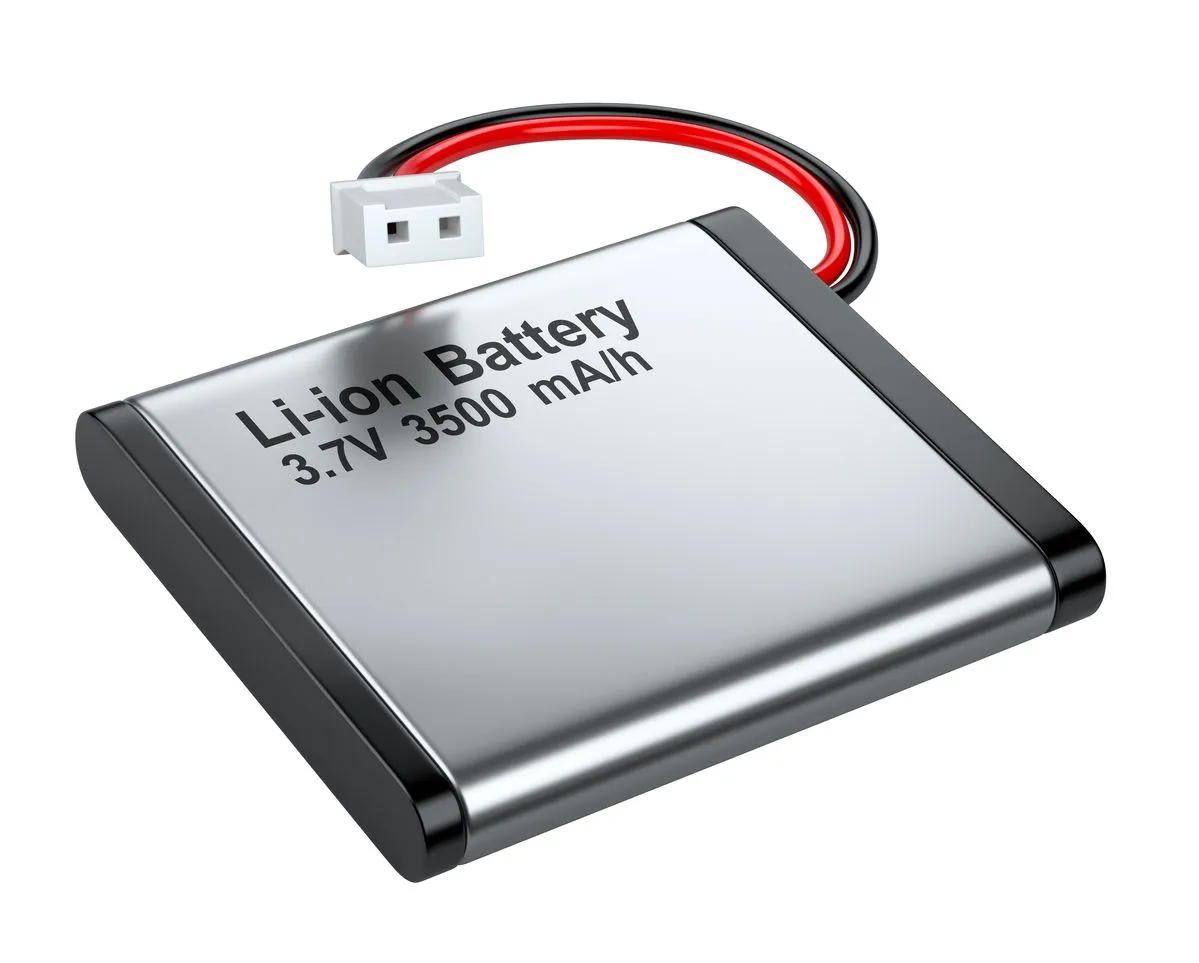
Safety behaviour differs in character rather than absolute terms. Liquid-electrolyte cells in metal cans can vent through designed safety features if internal pressure rises. Pouch cells are more likely to swell if gas forms inside; they generally present lower leakage risk from the electrolyte itself but require careful mechanical support in the final product to prevent puncture.
Cycle Life and Practical Trade-offs
Cycle life varies more with electrode chemistry, depth of discharge, temperature and charging practices than with the pouch-or-can label alone. High-quality cells of either construction can deliver several hundred cycles to a useful capacity threshold. Some specialized high-power pouch cells trade cycle life for very high discharge rates, while certain cylindrical chemistries emphasize longevity.
Cost structures also differ. Standardized cylindrical cells benefit from massive production scale. Custom pouch cells often involve higher engineering and tooling expense but can reduce overall device size or weight enough to justify the premium.
Looking Beyond the Labels
As battery technology advances, the practical boundary between the two formats continues to blur. Improvements in polymer electrolytes, solid-state approaches, electrode materials and manufacturing methods mean that performance characteristics increasingly depend on the specific cell chemistry and design rather than the historic Li-ion versus LiPo branding.
Regulators and sophisticated buyers are already shifting attention toward measured safety, energy density, cycle life and supply-chain transparency. The precise marketing name matters less than the actual materials used, the quality of construction, and the presence of proper battery-management electronics.
Choosing the Right Format
For most users the decision is already made by the device manufacturer. A smartphone or tablet almost always contains a pouch-style cell because the thin profile is essential. A cordless tool or an electric vehicle pack is more likely to use cylindrical or large prismatic cells for durability and cost efficiency.
When selecting cells for a new product, engineers weigh shape constraints, weight targets, required discharge rates, expected lifetime, mechanical abuse conditions and production volume. The underlying lithium-ion chemistry remains the common foundation; the packaging and electrolyte form are tools chosen to meet those engineering goals.
In short, lithium-ion and lithium-polymer batteries are members of the same technological family. One term describes the broad chemistry; the other describes a popular way of packaging that chemistry in a flexible, space-efficient pouch. Understanding the distinction helps cut through marketing language and focuses attention on the performance attributes that actually matter for each application.
Read more – thenumberinfo.com