Why Ayodhya Assembly Seat Is Back in Focus Ahead of UP Polls
Two years after the Bharatiya Janata Party lost the Faizabad Lok Sabha seat, the Ayodhya Assembly constituency has once again emerged as a focal point of Uttar Pradesh politics. A public challenge exchanged between Chief Minister Yogi Adityanath and Samajwadi Party president Akhilesh Yadav has brought the temple town’s electoral arithmetic under renewed scrutiny. While the BJP has held the Assembly seat for most of the past three decades, fluctuating vote shares, narrowing margins, caste equations and lingering civic concerns have made the contest more competitive than its symbolic importance might suggest.
The Ram temple stands within the Ayodhya Assembly constituency, one of five segments that make up the Faizabad parliamentary seat. This geographical and political overlap gives the Assembly contest unusual significance. Any shift in local voting patterns can be read as a signal for the wider region and for the state as a whole.
A Long Record of BJP Dominance Interrupted
Electoral records show that the BJP has been the dominant force in Ayodhya since the early 1990s. Lallu Singh won the seat five consecutive times between 1991 and 2007, establishing a prolonged period of party control. The only interruption came in 2012, when Samajwadi Party candidate Tej Narayan Pandey, popularly known as Pawan Pandey, defeated the BJP veteran.
The BJP regained the seat in 2017 with Ved Prakash Gupta, who secured nearly 49.6 percent of the vote and a winning margin of more than 50,000 votes. Gupta retained the constituency in 2022 with a similar vote share of around 49 percent. However, the margin of victory shrank sharply to just under 20,000 votes. In the same election, the SP’s vote share rose by more than 14 percentage points to over 40 percent. The narrowing gap indicated that the party’s once-comfortable hold was facing greater resistance.
The 2024 Lok Sabha results added another layer of complexity. Although the BJP lost the Faizabad parliamentary seat, it still led in the Ayodhya Assembly segment by a slender margin of a few thousand votes. The SP led in the remaining four segments of the constituency. This mixed outcome reinforced the view that the Assembly seat itself remains contested ground rather than a safe bastion.
Caste Equations and Local Social Dynamics
Caste arithmetic continues to shape electoral calculations in Ayodhya. Brahmins form a substantial section of the electorate, followed by significant populations of Muslims, Vaishyas, Yadavs, Chauhans, Nishads, Thakurs and various Dalit communities. Estimates place Brahmin voters around 45,000, Muslims near 44,000, Vaishyas around 42,000 and Yadavs approximately 36,000, with other groups also present in large numbers.
The BJP has traditionally drawn support from sections of the upper castes and certain Other Backward Class communities such as Kurmis, Nishads, Mauryas and Rajbhars. The Samajwadi Party’s core strength lies among Yadavs and Muslims, while Dalit voters remain a decisive swing group. The SP’s decision to field Pawan Pandey, a local Brahmin candidate, for the next Assembly election is seen as an attempt to cut into the BJP’s upper-caste support. Local leaders from both sides acknowledge that the current social equations make the seat challenging for the ruling party.
Civic Concerns Alongside Symbolic Importance
Beyond caste and party loyalty, everyday governance issues have gained greater visibility. The rapid transformation of Ayodhya after the temple consecration has brought large-scale infrastructure projects, improved connectivity and a surge in religious tourism. At the same time, residents have raised concerns about incomplete drainage works, road quality in certain areas and the pace of civic amenities. These local grievances were highlighted after the 2024 parliamentary setback and continue to feature in political discussions.
Opposition leaders argue that the gap between high-profile development claims and the daily experience of residents has created space for dissatisfaction. The ruling party counters that major projects have been completed or are progressing and that the overall transformation of the city remains a strong positive factor.
High-Profile Political Exchange
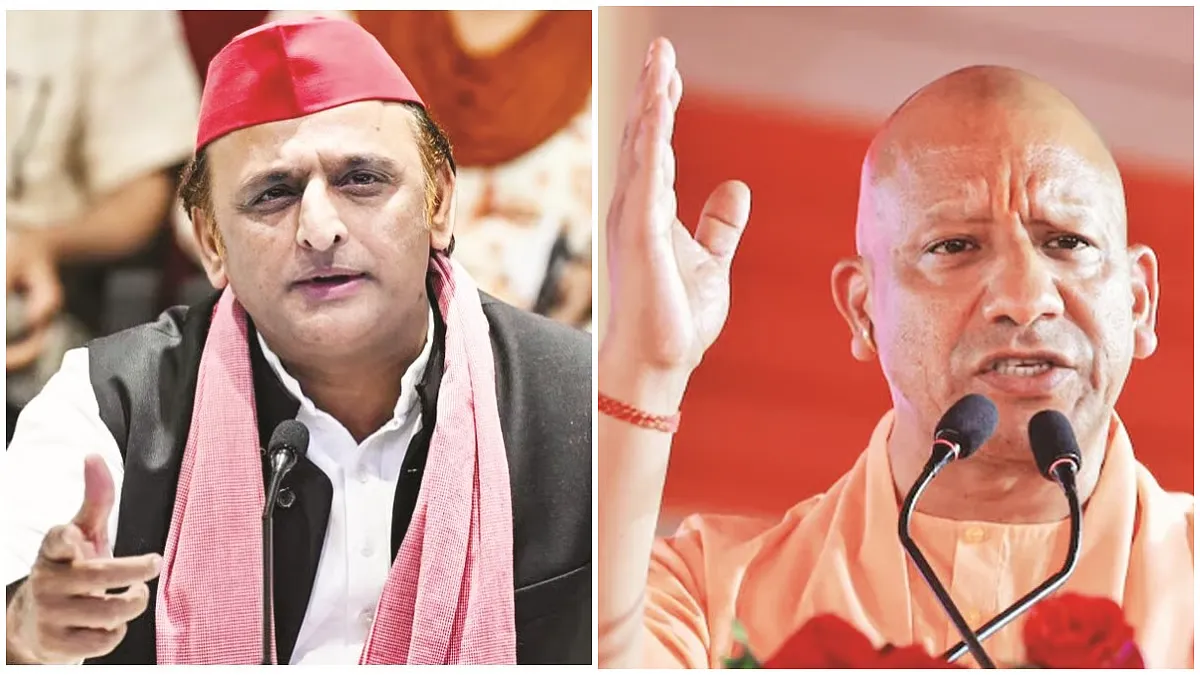
The current spotlight intensified when Akhilesh Yadav challenged Yogi Adityanath to contest the Assembly election from Ayodhya. The Chief Minister responded by inviting the SP leader to file his nomination from the seat and offering to do the same. Whether either leader ultimately contests remains uncertain, yet the exchange has elevated the constituency’s profile and forced both parties to treat it as a prestige battle.
The SP has already named Pawan Pandey as its candidate. The BJP has not yet announced its nominee, though the sitting MLA has held the seat for two terms. Candidate selection, campaign messaging and the ability to mobilise different social groups will determine the final outcome.
Broader Significance for 2027
Ayodhya’s Assembly contest carries weight beyond its 3.8 lakh electors. For the BJP, retaining the seat would reinforce the narrative of continued dominance in a constituency of deep ideological importance. A loss or a further erosion of margin could be interpreted as evidence that the temple’s political impact is no longer sufficient on its own and that governance delivery and local social alliances matter more.
For the Samajwadi Party, a strong performance would validate its strategy of combining traditional support bases with carefully chosen local candidates and an emphasis on civic issues. The party’s improved vote share in 2022 and its parliamentary success in Faizabad provide a foundation on which it hopes to build.
As the 2027 Uttar Pradesh Assembly elections approach, the Ayodhya seat illustrates the interplay of symbolism, social arithmetic and everyday governance. The BJP’s long record of success remains a formidable advantage, yet the narrowing margins, caste complexities and residual civic concerns ensure that the constituency will not be taken for granted. The coming contest will test whether historical loyalty and developmental claims can outweigh the combined forces of opposition mobilisation and local dissatisfaction.
Read more – brandownerdetail.com