Indonesia Volcano Eruption Cancels 1,558 Flights, Strands 170,000
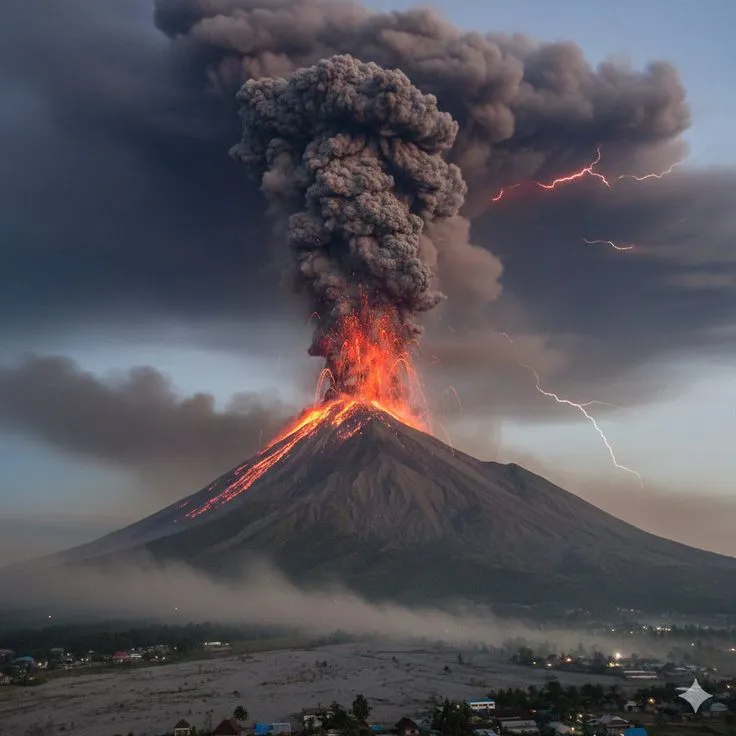
A powerful series of eruptions at Mount Anak Krakatau has disrupted air travel across western Indonesia, forcing the temporary closure of eight airports and leaving tens of thousands of travellers stranded. The volcanic activity, which began late on Friday and continued through the weekend, sent towering plumes of ash high into the atmosphere. By Sunday, authorities reported that more than 1,550 flights had been cancelled or delayed and approximately 170,000 passengers were affected.
The Eruption and Its Immediate Impact
Anak Krakatau, a volcanic island located in the Sunda Strait between Java and Sumatra, entered a more intense eruptive phase in early September 2026. The volcano produced lava fountains and generated ash clouds that rose as high as 50,000 feet on the Sumatra side and around 20,000 feet toward Java. Ash drifted more than 150 kilometres from the crater, reaching the densely populated areas around Jakarta and parts of southern Sumatra.
The presence of volcanic ash in the airspace posed a serious risk to aviation. Fine particles of ash can damage aircraft engines, obscure visibility, and create hazardous flying conditions. In response, Indonesia’s aviation authorities suspended operations at multiple airports to protect passenger safety.
Airports Forced to Close
The most significant disruption occurred at Soekarno-Hatta International Airport, Jakarta’s primary gateway and one of the busiest airports in Southeast Asia. Operations were suspended after ash was detected in the surrounding airspace. Halim Perdanakusuma Airport, also serving the capital region, was similarly affected.
Six additional airports were closed, including Husein Sastranegara Airport in Bandung, Radin Inten II Airport near Bandar Lampung in Lampung province, and several smaller regional facilities. In total, eight airports halted operations. Some remained closed into Monday, with extensions announced as monitoring continued. One airport in South Sumatra was later able to resume limited activity.
According to the transport ministry, more than 900 of the disrupted flights were linked to Soekarno-Hatta alone. International routes connecting Jakarta with destinations such as Singapore, Kuala Lumpur, Doha, Sydney, Hong Kong, and other major hubs were among those cancelled or significantly delayed.
Passenger Impact and On-the-Ground Conditions
The scale of the disruption left approximately 170,000 passengers stranded as of Sunday evening. Long queues formed at airport terminals as travellers sought information, rebookings, or refunds. Many spent extended periods waiting in departure halls while airlines worked to manage the sudden surge in cancellations.
Transport Minister Dudy Purwagandhi stated that the situation remained dynamic and that it was difficult to predict exactly when full operations could resume because of changing weather and ongoing volcanic activity. He noted that alternative airports, including those in Semarang and Surabaya, had been prepared to handle diverted flights where possible. Airlines were also instructed to inspect aircraft engines thoroughly before returning planes to service once conditions improved.
Wider Effects Beyond Aviation
The ash cloud affected more than air travel. Schools in Jakarta shifted to online classes on Monday as a precaution. Some shipping operations in the region experienced disruptions as well. Authorities issued health advisories related to air quality, given the combination of volcanic ash and existing regional haze conditions.
The volcano monitoring agency reported that the probability of further eruptions remained high in the near term. The most recent significant activity was recorded on Sunday evening. Continuous monitoring of the volcano and atmospheric conditions continued as officials balanced safety requirements with the need to restore normal transport links.
Historical Context of Anak Krakatau
Anak Krakatau, whose name means “Child of Krakatau,” formed in the caldera created by the catastrophic 1883 eruption of Krakatau. The volcano has a history of intermittent activity. A major eruption in 2018 triggered a tsunami that caused significant loss of life along nearby coastlines. The current episode, while primarily affecting aviation through ash dispersal rather than generating a tsunami, once again demonstrated the volcano’s capacity to disrupt daily life across a wide area.
Indonesia sits on the Pacific Ring of Fire and experiences frequent volcanic activity. Aviation authorities maintain established protocols for responding to ash clouds, including rapid suspension of flights when ash is detected in critical airspace. The decision to close multiple airports simultaneously reflected the breadth of the ash plume and the density of air traffic in the region.
Challenges for Travellers and Airlines
For stranded passengers, the disruption created immediate practical difficulties. International travellers faced missed connections and the need to rearrange accommodation and onward travel. Domestic passengers experienced similar delays on routes linking major cities. Airlines worked to process refunds and rebookings while managing limited capacity once partial operations resumed.
The economic impact of prolonged airport closures can be substantial, affecting not only airlines but also tourism, business travel, and supply chains that rely on air freight. Authorities emphasised the priority of safety while seeking to minimise the duration of the shutdowns.
Looking Ahead
As of Monday, several of the affected airports remained closed or operated under restricted conditions while ash levels were monitored. Transport officials indicated that the situation would be reviewed continuously based on meteorological and geological data. Full restoration of schedules would depend on the clearing of ash from critical airspace and the completion of necessary aircraft inspections.
The episode serves as a reminder of the challenges posed by living and operating infrastructure near active volcanoes. While modern monitoring systems provide early warnings and enable rapid protective measures, the unpredictable nature of eruptions means that large-scale disruptions can still occur with little notice. For the hundreds of thousands of travellers affected this weekend, the priority remains safe and timely resumption of flights once conditions allow.
The coordinated response by aviation authorities, the transport ministry, and volcano monitoring agencies has so far focused on preventing greater risks to aircraft and passengers. As the ash disperses and assessments continue, the gradual reopening of airports will mark the next phase in recovering from one of the more significant aviation disruptions caused by volcanic activity in recent years.
Read more – Thepowerfuldua.com , yandex-games.org