Kerala Cleric’s Remarks on Women Spark Row, CPM Leaders Criticise
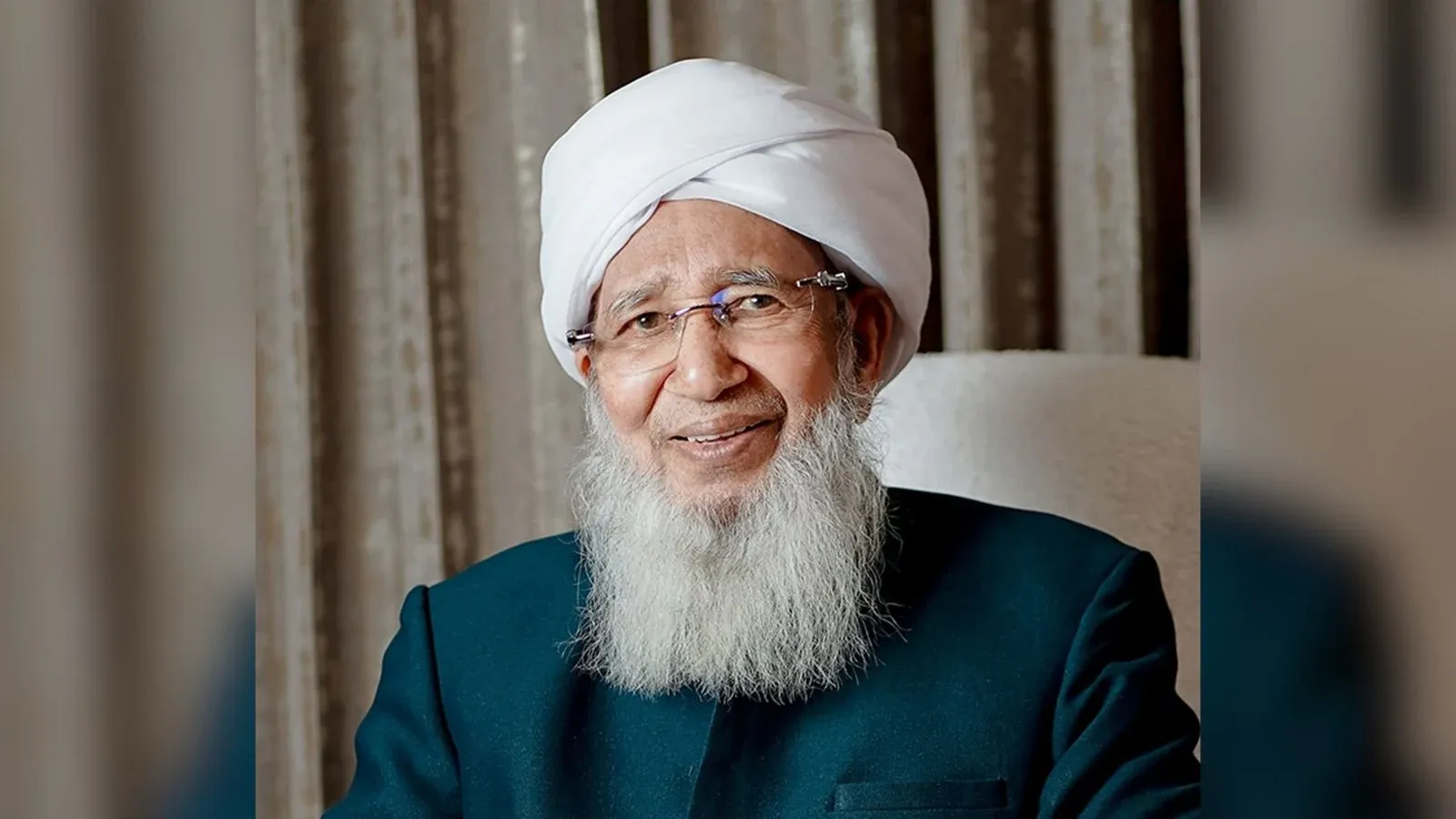
A controversy has unfolded in Kerala after prominent Sunni cleric A.P. Aboobacker Musliyar, widely known as Kanthapuram, made remarks asserting that women should remain confined to their homes. The comments, which followed the participation of Muslim women in Eid and Onam-related festivities, drew sharp criticism from political leaders, particularly from the CPI(M), and prompted the cleric to later call for restraint.
The Remarks and Their Context
Aboobacker Musliyar, general secretary of a major faction of the Samastha Kerala Jamiyyathul Ulama and a figure of considerable influence among Sunni Muslims in the state, spoke in the aftermath of celebrations marking Eid Milad-un-Nabi. Videos and reports of Muslim women taking part in public festivities, including cultural programmes linked to the Onam season, had circulated widely.
In a statement directed to mosque committees under his organisation, and in subsequent public comments, the cleric said Islamic celebrations should remain within religious bounds. He objected to women appearing on public stages or in mixed gatherings with men who were not their relatives. He went further, stating that what the Quran teaches is that women should remain quietly confined to their homes, and that if women enter the public arena there will be great destruction. He defended the practice of purdah as a means of protection and order.
The remarks were consistent with a circular issued by his faction urging local committees and madrasas to prevent what it described as un-Islamic mixing of practices and the public exhibition of women during religious events.
Political and Social Reaction
The comments triggered an immediate and broad response. Leaders of the CPI(M) were among the most vocal critics. Party general secretary M.A. Baby described the views as reflective of a reluctance within many religions to fully recognise gender equality and said such positions ran counter to constitutional values. Other CPI(M) leaders, including senior figures and representatives of the All India Democratic Women’s Association, condemned the idea that women should be kept away from public life and argued that no religious authority has the right to curtail fundamental rights guaranteed to all citizens.
Kerala Chief Minister V.D. Satheesan also publicly disagreed with the cleric’s position. Women leaders across parties and civil society pointed to the constitutional guarantees of equality, freedom of movement and participation in public life. Critics argued that asking women to remain indoors represented a regressive stance incompatible with Kerala’s social progress and with the lived reality of women who study, work and take part in cultural and civic activities.
Some leaders of the Indian Union Muslim League adopted a more cautious tone, describing the remarks in one instance as a scholarly expression while emphasising the importance of community and social unity. The divergence highlighted the sensitivity of the issue within Kerala’s complex political and communal landscape.
Clarification and Call for Restraint
A week after the initial controversy, Aboobacker Musliyar addressed the storm his words had created. He expressed regret over the controversy and appealed to his followers for restraint. Discussions, he said, should serve as healthy forums for impartially evaluating ideas and learning new things.
In further comments he sought to distance himself from any interpretation that Islam denies women dignity or opportunity. He pointed to educational institutions for women established by his organisation and stated that Islam is not a religion that “buries” women. The clarification attempted to reframe the earlier remarks as a defence of religious norms rather than a blanket denial of women’s rights.
Broader Implications
The episode has brought into focus longstanding tensions between conservative religious interpretations and the expectations of a society in which women participate actively in education, employment, politics and cultural life. Kerala has one of the highest literacy rates in India and a strong tradition of social reform movements that expanded opportunities for women. Remarks that appear to restrict women’s public presence therefore strike a particularly sensitive chord.
At the same time, the controversy illustrates the continued influence of traditional religious leadership within sections of the community and the careful balancing act political parties must perform when such issues arise. The CPI(M)’s firm criticism reflected its ideological commitment to gender equality and social progress, while the more measured responses from some Muslim political organisations underscored concerns about community cohesion.
Public Debate and Constitutional Values
Muslim women and younger voices within the community used social media and public platforms to push back, questioning the premise that their participation in festivities or public life constitutes a threat. Many argued that religious guidance should not override constitutional rights or the principle of equal citizenship.
The debate has also touched on the distinction between personal religious practice and prescriptions imposed on an entire community. Critics maintained that while individuals are free to follow their beliefs, no authority should seek to limit the fundamental freedoms of others under the banner of religious teaching.
Looking Ahead
Aboobacker Musliyar’s call for restraint may help lower the temperature of the immediate controversy. Yet the underlying questions about the role of women in public life, the interpretation of religious texts in a modern constitutional democracy, and the responsibilities of influential community leaders are likely to persist.
The episode serves as a reminder that in a diverse and evolving society, statements by religious figures carry weight beyond their immediate audience. When those statements appear to constrain the rights and visibility of women, they inevitably invite scrutiny from political parties, civil society and citizens who see gender equality as a non-negotiable constitutional value. How religious leadership, political parties and the wider public navigate these tensions will continue to shape social discourse in Kerala.
Read more – atechsslaash.com , BestMenuHub.com