BRICS Summit: India-China Talks on Tech and Investment Curbs
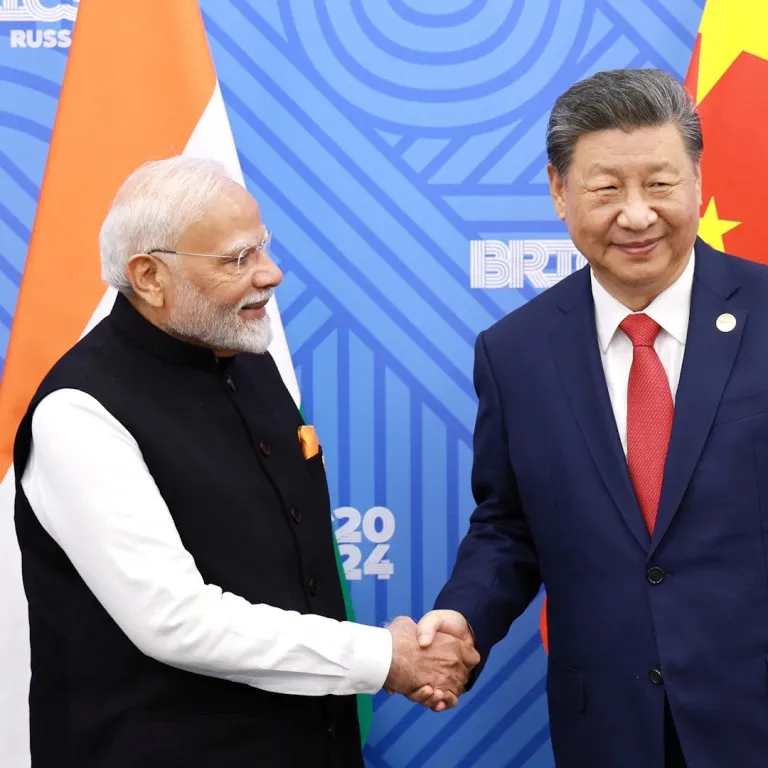
As India prepares to host the BRICS Summit in New Delhi on 12-13 September 2026, attention is turning to bilateral discussions expected on the sidelines with Chinese counterparts. Indications suggest that the Indian side will raise concerns over restrictions affecting the import of critical technologies from China and investment-related barriers faced by companies operating in or seeking access to the Chinese market.
The talks come at a time when both countries are exploring limited steps to stabilise economic engagement after years of strained relations, while remaining attentive to security and strategic considerations.
Focus on Technology Export Restrictions
A central issue for India involves Chinese measures that have constrained the supply of high-technology items and specialised components. Industry feedback and official reviews have highlighted difficulties in sourcing rare-earth magnets, which are essential for electric vehicle motors and other advanced applications. Delays and restrictions in this area have already prompted Indian automakers to explore alternative arrangements.
Similar concerns extend to battery cells and related cell technology, materials and processes used in solar manufacturing such as ingots and wafers, and specialised equipment required for High Voltage Direct Current transmission systems. These inputs are important for India’s push in electric mobility, renewable energy and power infrastructure. Chinese customs procedures and export controls have, according to government and industry assessments, created procedural bottlenecks that affect timely availability.
The China desk in the Commerce and Industry Ministry has been examining these restrictions. Consultations with industry groups are underway to map the specific barriers and their impact on manufacturing timelines and costs. The Indian approach in the forthcoming discussions is expected to emphasise reciprocity—seeking smoother access to Chinese technology and components in parallel with the calibrated easing of certain Indian regulations.
Investment-Related Concerns
Alongside technology imports, the Indian side is also expected to flag investment restrictions encountered by companies in China. While details of specific cases remain part of ongoing internal assessments, the broader point relates to the ease with which Indian firms can operate, expand or protect their interests in the Chinese market. Reciprocity in investment conditions has become a recurring theme in bilateral economic conversations.
India has itself adjusted parts of its foreign direct investment framework in recent months. Changes introduced earlier in 2026 modified aspects of the earlier regime that required prior government approval for investments from countries sharing a land border. Limited non-controlling stakes are now possible under specified conditions in certain sectors, and fast-track mechanisms have been introduced for selected manufacturing activities. Specific relaxations have also been granted for the procurement of certain critical power equipment.
These steps reflect a selective approach: maintaining safeguards in sensitive and strategic areas while allowing controlled commercial engagement where it supports domestic manufacturing and supply-chain needs.
Context of the BRICS Summit
The BRICS Summit provides a multilateral setting in which bilateral issues can be discussed without being the sole focus of the formal agenda. Chinese President Xi Jinping is expected to attend the New Delhi meeting. Side meetings between Indian and Chinese officials or leaders offer a practical channel for raising trade and investment frictions that affect businesses on both sides.
India’s overall BRICS agenda includes cooperation in areas such as artificial intelligence, advanced computing, digital public infrastructure and resilient supply chains. Within that broader framework, resolving bilateral commercial irritants with China can influence the atmosphere for practical economic collaboration among member countries.
Industry Impact and Supply-Chain Realities
Indian manufacturers in electric mobility, renewable energy and power transmission have felt the effects of constrained access to Chinese technology and components. Rare-earth permanent magnets, battery materials and specialised electrical equipment are not easily substituted at scale in the short term. Prolonged delays raise project costs and can affect commissioning schedules under domestic manufacturing initiatives.
At the same time, India continues to pursue diversification of supply sources and greater domestic capability in critical minerals, cell manufacturing and power equipment. The immediate discussions with China are therefore framed as efforts to ease current bottlenecks while longer-term capacity is built.
A Calibrated Engagement
The expected talks reflect a pragmatic rather than expansive reset. India has signalled willingness to ease certain procedural and investment barriers in non-sensitive areas. In return, it is seeking clearer and more reliable access to technologies and components that Chinese firms and authorities currently restrict or delay. The principle of reciprocity is likely to remain central.
Whether concrete outcomes emerge during the summit window or in subsequent technical discussions will depend on the willingness of both sides to address specific lists of restricted items and procedural hurdles. For Indian industry, even incremental improvements in the predictability of supply would ease pressure on ongoing projects.
Looking Ahead
The BRICS Summit in New Delhi will cover a wide range of multilateral subjects. Yet for many in Indian manufacturing and policy circles, the quality of the side conversations with China on technology imports and investment conditions will be closely watched. The issues involved—rare-earth magnets, battery technology, solar manufacturing inputs and specialised power equipment—directly affect the pace of India’s industrial and energy transition plans.
By placing these concerns on the table, India is seeking a more balanced commercial relationship in which access to critical inputs is not one-sided. The discussions will test whether both sides can translate political presence at a major multilateral event into practical steps that reduce friction for businesses. The results may not be dramatic, but even modest progress on procedural barriers and technology availability would carry significance for the sectors most affected.
Read more – tastymenuideas.com