Tim Cook Steps Down as Apple CEO, Phil Schiller Also Reduces His Role
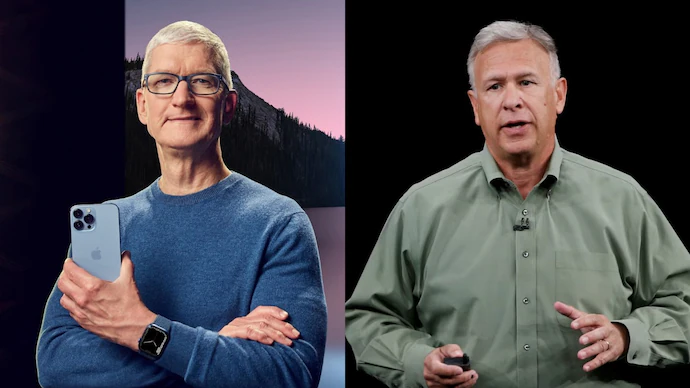
Apple is entering a major leadership transition, and the changes go beyond Tim Cook leaving the CEO position. On September 1, 2026, John Ternus officially took over as Apple CEO after Cook spent 15 years leading the company. At almost the same time, longtime executive Phil Schiller is also reportedly stepping back from two of his most important responsibilities.
Schiller has been one of the most recognisable faces inside Apple for decades. He worked closely with Steve Jobs and Cook, appeared at countless product launches, and played an important role in shaping the company’s marketing and product strategy. Now, his decision to give up control of the App Store and Apple’s major product events marks another important moment for the company.
Phil Schiller Takes A Step Back
According to reports, Schiller is stepping away from leading the App Store as well as Apple’s product events. These were among the final major responsibilities he continued handling after leaving his worldwide marketing leadership position several years ago.
The move does not appear to mean that Schiller is leaving Apple completely. Instead, he is expected to continue with the company under his Apple Fellow title and take responsibility for other unspecified initiatives.
That distinction is important because Schiller has remained closely connected to Apple even after moving away from day-to-day executive management.
His latest change also comes at a particularly significant time. Apple has just completed its first CEO transition in 15 years, making the simultaneous reduction in Schiller’s responsibilities part of a much wider leadership reshuffle.
A Career Spanning Three Decades
Phil Schiller’s connection with Apple goes back much further than the current generation of iPhones and Macs. He first worked at the company between 1987 and 1993 before returning in 1997.
Since then, he has become one of the company’s most influential marketing and communications figures.
Schiller was closely associated with some of Apple’s biggest product launches, including the iPhone, iPad, iPod and various Mac products. His energetic presentation style made him particularly familiar to Apple fans who followed the company’s launch events.
He also worked alongside Steve Jobs during a period when Apple was rebuilding its position in the technology industry.
That history gives his latest role reduction more significance. Schiller isn’t simply another senior employee moving into a different position. He represents one of the last direct links between Apple’s current leadership culture and the Jobs era.
From Marketing Chief To Apple Fellow
Schiller stepped away from his position as Apple’s senior vice president of worldwide marketing in 2020. At that point, the company gave him the Apple Fellow title, allowing him to remain involved without continuing in the same executive marketing role.
However, his work inside Apple did not stop.
He continued overseeing the App Store and remained involved with Apple’s global events team. These responsibilities kept him connected to major decisions involving developers, applications and the company’s highly visible product launches.
For several years, this arrangement allowed Apple to retain Schiller’s experience while gradually reducing his operational responsibilities.
The latest change appears to take that process further.
Some people inside Apple reportedly view the move as a significant step toward Schiller eventually retiring from the company. However, there is no indication that he is leaving immediately.
App Store Responsibility Moves
One of Schiller’s most important remaining responsibilities was oversight of the App Store.
The position became increasingly complicated as Apple faced legal challenges, government regulation and growing pressure from developers around the world.
Schiller was involved in decisions concerning controversial applications and Apple’s relationships with software developers. He also played a role in App Store policy changes during Apple’s lengthy legal dispute with Epic Games, the company behind Fortnite.
Now, responsibility for the App Store is reportedly moving back toward Apple’s services organisation.
The services division is led by Eddy Cue, who previously oversaw the App Store before responsibility shifted to Schiller and Apple’s marketing organisation. Bringing the store back under the services side could make the organisational structure more straightforward under the company’s new leadership.
It also gives the services division greater control over one of Apple’s most important digital businesses.
Apple Events Get New Leadership
Schiller’s other major responsibility was Apple’s events operation.
Apple’s product launches have become a major part of the technology industry’s calendar. Events introducing new iPhones, Macs, iPads and other products generate enormous global attention, making the person responsible for organising them an important figure inside the company.
That responsibility is now reportedly moving to Nola Weinstein.
Weinstein has worked as Schiller’s deputy since 2023 and is therefore already familiar with how Apple’s events operation functions.
The change should provide some continuity rather than creating an entirely unfamiliar leadership structure.
It also comes just as Apple prepares for another major product launch season, meaning the transition will quickly be tested in public.
John Ternus Begins New Apple Era
The leadership changes involving Schiller are happening alongside an even bigger development at Apple.
John Ternus has officially become the company’s new CEO, replacing Tim Cook after Cook’s 15-year tenure. Apple had announced the succession earlier in 2026, with Ternus selected to take over the top position on September 1.
Ternus joined Apple in 2001 and most recently served as senior vice president of hardware engineering. His background is very different from Cook’s operational and supply-chain-focused career, meaning his leadership could bring a stronger hardware and product-development perspective to Apple’s top office.
Cook, meanwhile, is not disappearing from Apple.
He has moved into the role of executive chairman and is expected to remain involved in selected areas of the company, including engagement with policymakers around the world.
This makes the current situation less of a complete departure and more of a carefully managed transfer of authority.
More Senior Changes At Apple
Schiller’s changing responsibilities are not happening in isolation.
Apple has already experienced several changes among its senior leadership ranks. Operations chief Jeff Williams, former hardware leader Dan Riccio, finance chief Luca Maestri and environment and government affairs leader Lisa Jackson have all stepped down or moved into smaller roles.
Taken together, these moves suggest that Apple is entering a new management phase.
The company has spent years operating under executives who were closely connected to the Steve Jobs and Tim Cook eras. As those leaders gradually move away from frontline responsibilities, newer executives are getting greater control over Apple’s products, services and strategic decisions.
For a company as large as Apple, these changes could influence its priorities for years.
Why Schiller’s Exit Matters
Schiller’s importance cannot be measured simply by his job title.
He was one of the people who helped Apple communicate its products to the world. From major iPhone announcements to Mac launches, his presence became part of Apple’s public identity.
He also understood the company’s product philosophy from inside.
That experience is difficult to replace completely, even if the operational responsibilities can be transferred to other executives. His continued presence as an Apple Fellow means the company can still access that experience when required.
At the same time, giving younger leaders control over important operations allows Apple to build a management structure that is less dependent on executives from previous eras.
That balance could be especially useful during the transition to Ternus.
The Timing Is Especially Important
The timing of Schiller’s move makes the story more interesting.
Apple is not simply changing its CEO. It is simultaneously redistributing responsibilities across several senior positions while preparing for new products and facing major challenges in areas such as artificial intelligence, regulation and global manufacturing.
Ternus therefore inherits a company that is financially powerful but operating in a very different technology environment from the one Cook inherited in 2011.
Apple’s next phase will require strong execution, but it will also require decisions about artificial intelligence, services, hardware innovation and the future of its ecosystem.
Schiller’s reduced role is one small part of that larger transformation.
What Happens To Apple Next
The biggest question now is how much Apple’s internal culture changes under John Ternus.
Cook’s leadership produced extraordinary commercial growth and helped Apple expand far beyond its traditional hardware business. Apple became increasingly dependent on services, wearables and recurring digital revenue while maintaining the iPhone as its core product.
Ternus will now have to protect that success while addressing newer challenges.
The company is also preparing for future product launches, with its upcoming September event expected to be particularly significant because it will be the first major Apple event under Ternus as CEO. The event is reportedly scheduled for September 9, with new iPhone products expected to take centre stage.
That makes the transition from Schiller’s event leadership especially noticeable.
Conclusion
Apple’s latest leadership changes represent more than a simple reshuffling of executive responsibilities. Tim Cook has moved from CEO to executive chairman, John Ternus has taken charge as the new CEO, and longtime executive Phil Schiller is reducing his involvement in the App Store and Apple events. Schiller is expected to remain with Apple as an Apple Fellow, meaning his decades of experience will not disappear overnight. Still, his reduced role signals how quickly Apple’s senior leadership is changing. As Ternus begins his tenure, Apple is clearly moving toward a new generation of leadership while trying to preserve the experience and culture that helped build its enormous global position.
Read More :- thenumberinfo.com