Best Marketing Strategies for Small Businesses in 2026
In 2026, small businesses face a marketing landscape defined by smarter consumers, rapid technological change, and limited budgets. Success no longer depends on large advertising spends but on strategic focus, authenticity, and measurable results. The most effective small businesses concentrate on a few high-impact channels, leverage AI tools for efficiency, and build genuine relationships with customers. This approach delivers sustainable growth without requiring massive resources.
Here are the most practical and proven marketing strategies for small businesses this year.
1. Master Local SEO and Google Business Profile
Local search remains one of the highest-ROI activities for small businesses. A fully optimized Google Business Profile with regular posts, accurate information, and genuine customer reviews can drive significant foot traffic and online visibility.
How to Implement It:
- Claim and verify your Google Business Profile immediately.
- Keep business information (name, address, phone, hours) consistent across all platforms.
- Post regular updates, offers, and behind-the-scenes content.
- Actively encourage and respond to customer reviews.
- Create location-specific pages on your website if you serve multiple areas.
Businesses that maintain active profiles often see their visibility in local pack results increase dramatically, leading to more calls, visits, and website traffic.
2. Focus on Content Marketing with Purpose
Content marketing continues to deliver strong returns when done strategically. Instead of posting everywhere, successful small businesses create valuable content that solves real customer problems and builds trust.
Effective Approach:
- Identify 2–3 core topics your customers care about most.
- Produce consistent, high-quality content such as how-to guides, customer stories, or short videos.
- Repurpose content across platforms — one blog post can become social media clips, email newsletters, and website resources.
- Focus on educational value rather than constant selling.
This strategy positions your business as an expert while attracting organic traffic over time through search engines and social sharing.
3. Build and Nurture an Email List
Email marketing remains one of the most cost-effective channels with the highest return on investment. Small businesses that collect emails and send valuable communications see strong customer retention and repeat sales.
Best Practices:
- Offer valuable lead magnets such as checklists, guides, or discounts in exchange for email addresses.
- Send regular newsletters with useful tips, behind-the-scenes content, and exclusive offers.
- Segment your list based on customer behavior or interests for more relevant messaging.
- Focus on building relationships rather than constant promotions.
Well-managed email lists often become a business’s most valuable marketing asset, providing direct access to customers without relying on changing platform algorithms.
4. Leverage Short-Form Video Content
Video content, particularly short-form formats, continues to dominate attention in 2026. Small businesses can create authentic videos showcasing products, sharing tips, or telling customer stories using just a smartphone.
How to Succeed:
- Post consistently on platforms where your audience spends time.
- Keep videos genuine and problem-solving rather than overly polished.
- Use trending audio and formats while maintaining your brand voice.
- Combine educational content with subtle product demonstrations.
Businesses that embrace video marketing often see higher engagement rates and stronger emotional connections with their audience.
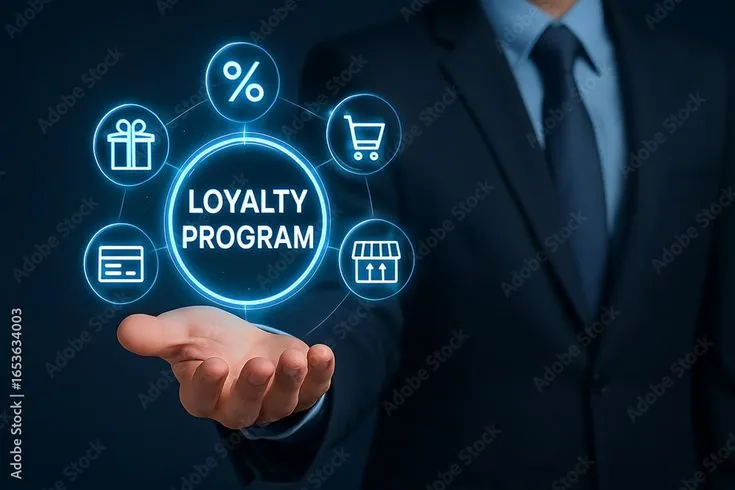
5. Develop a Referral and Loyalty Program
Word-of-mouth remains incredibly powerful, especially when systematized. A simple referral program can turn satisfied customers into active promoters.
Implementation Ideas:
- Offer meaningful rewards for both the referrer and the new customer.
- Make the process easy with unique referral codes or links.
- Recognize loyal customers through special offers or early access.
- Highlight customer success stories publicly (with permission).
Referral programs often deliver the highest quality customers at the lowest acquisition cost.
6. Use AI Tools Strategically
AI has become accessible for small businesses in 2026. Smart usage can save time and improve results without replacing human creativity.
Practical Applications:
- Generate content ideas and drafts.
- Create basic visuals and social media graphics.
- Analyze customer data for better targeting.
- Automate routine tasks like email responses or scheduling.
The key is using AI to enhance your efforts while maintaining authentic brand voice and personal connection.
7. Build Community and Partnerships
Successful small businesses in 2026 often thrive by building communities rather than just selling products. This can be achieved through local collaborations, social media groups, or customer appreciation events.
Effective Tactics:
- Partner with complementary local businesses for cross-promotions.
- Create online communities where customers can connect and share experiences.
- Sponsor or participate in local events and causes.
- Engage genuinely with customers on social media.
Community-building creates emotional loyalty that goes beyond transactional relationships.
Measuring Success and Staying Adaptable
The most successful small businesses track key metrics such as customer acquisition cost, lifetime value, engagement rates, and return on marketing investment. They focus on a few channels they can manage well rather than spreading efforts too thin.
Regular review and adaptation are essential. What works today may need adjustment as consumer behavior and platform algorithms evolve. Stay curious, test new approaches on a small scale, and double down on what delivers results for your specific business.
Final Thoughts for Small Business Owners
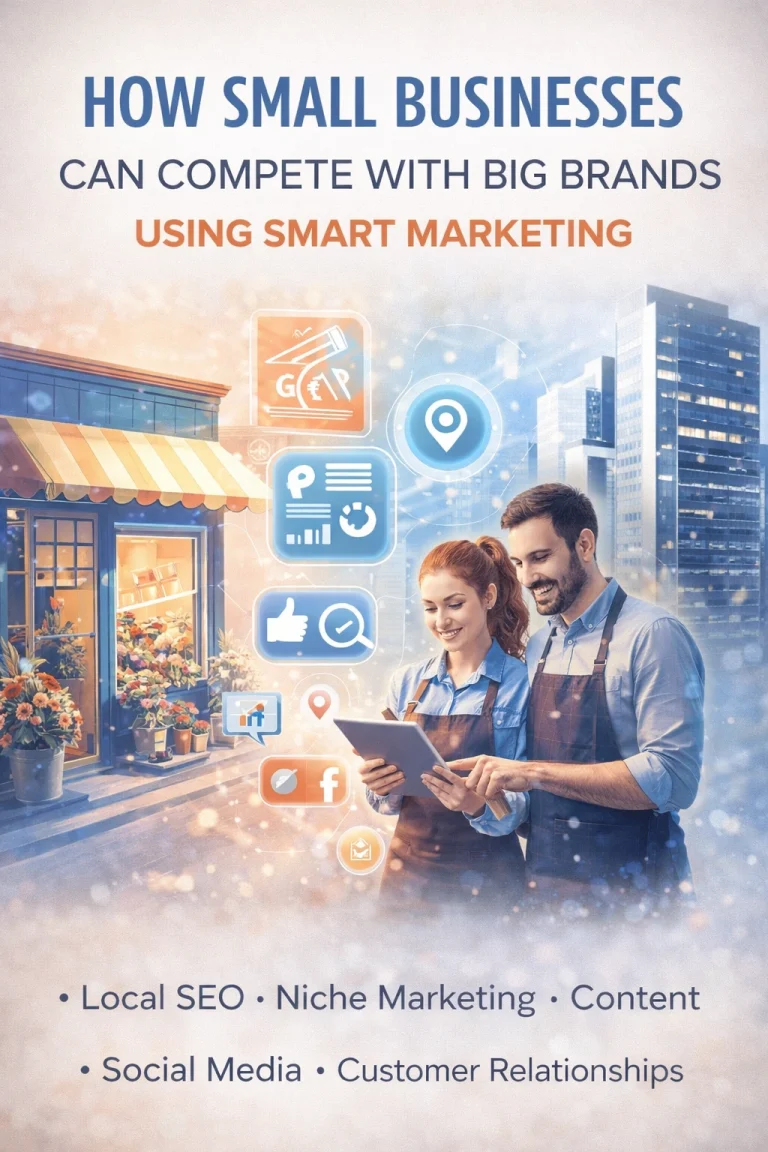
Effective marketing in 2026 is about working smarter, not harder. By focusing on local SEO, valuable content, email relationships, authentic video, and community building, small businesses can compete effectively with larger competitors while maintaining their unique character.
The most successful strategies are built on understanding your customers deeply and delivering consistent value. Start with one or two strategies from this guide, implement them well, and expand gradually as you see results. Marketing is not about perfection — it is about connection, consistency, and continuous learning.
With the right approach, even businesses with modest budgets can build strong brands, attract loyal customers, and achieve sustainable growth in 2026 and beyond. The opportunity is there for those willing to show up authentically and serve their customers thoughtfully.
Read more – trendiopr.com