How Gen Z Is Rewriting the Indian Wedding Menu
Indian wedding menus are undergoing a quiet but decisive transformation. As guest lists grow smaller and spending per head rises, food has moved from a supporting act to a central experience. Couples, particularly from Gen Z, are shaping menus that reflect personal taste, regional pride and visual storytelling, while still safeguarding the sanctity of the traditional muhurtham meal. The result is a more intentional, diversified and memorable approach to wedding dining.
From Scale to Experience
For decades, the measure of a successful wedding feast was abundance. Long buffet lines, endless varieties and the sheer volume of food signalled hospitality and status. That equation is shifting. Many families now invite fewer guests—often in the range of one to two thousand rather than several thousand—yet invest more thoughtfully in what each guest encounters on the plate and at the counter.
Higher per-head budgets allow for better ingredients, specialised chefs, live stations and carefully sequenced experiences. The emphasis has moved from feeding a crowd to creating moments that guests remember and, increasingly, share. Food is no longer merely sustenance; it is atmosphere, entertainment and personal narrative.
The Enduring Place of Tradition
Despite the appetite for novelty, the core ceremonial meal remains largely untouched. The muhurtham lunch or dinner continues to follow traditional patterns—whether a South Indian elai sappadu served on banana leaves, a North Indian thali, or region-specific festive spreads. Couples and families treat this meal as non-negotiable, a link to ritual and ancestry that innovation is not permitted to displace.
This dual approach—innovation at receptions, sangeets and welcome lunches, fidelity at the sacred meal—allows modern preferences to coexist with cultural continuity. The traditional plate anchors the celebration; the surrounding events become spaces for exploration.
Regional Pride on the Menu
One of the strongest currents in contemporary wedding catering is the elevation of regional specialities. Couples are increasingly keen to showcase the flavours of their own communities or of regions that hold personal meaning. A Kerala sadhya may appear at a welcome lunch, followed by an Andhra-style high tea or a Karnataka breakfast. Reception menus often weave together dishes from multiple Indian regions alongside international offerings.
This trend reflects both identity and discovery. Guests encounter authentic preparations they may rarely taste outside their home states, while the couple signals pride in their roots. Hyper-local counters featuring dishes such as dal baati churma, laal maas or specific coastal and eastern specialities have become popular precisely because they feel rooted rather than generic.
Fusion, Global Influences and Playful Innovation
Alongside regional authenticity sits a lively appetite for fusion and global cuisine. Indo-Italian pasta and pizza bars, creative interpretations such as gongura-based dishes, coconut-milk preparations with unexpected textures, and cross-cultural desserts appear frequently. Some menus deliberately tell a couple’s story—dishes linked to shared travels, favourite restaurants or childhood memories—sometimes accompanied by small notes explaining the personal connection.
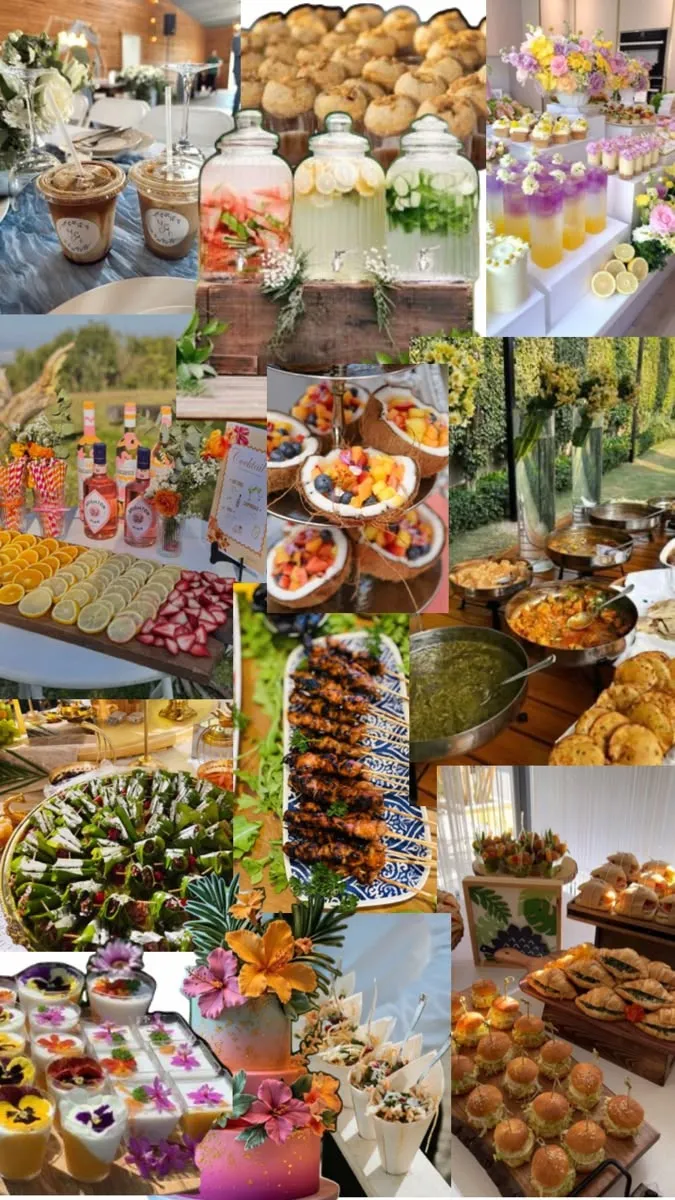
Live counters have become essential. Guests gather around stations where dosas are made to order with freshly ground chutneys, where pasta is tossed to preference, where Turkish ice cream is stretched with theatrical flair, or where stone-ground chutneys and street-food classics are prepared in real time. These interactive elements turn eating into participation and create natural points of conversation and photography.
The Visual Imperative
Social media has added a new requirement: food must look as good as it tastes. Dramatic plating, colourful dessert decks, sculptural ice creams, lollipop-style sweets and carefully lit live stations are designed with the camera in mind. Caterers report rising demand for visually striking presentations that photograph well under venue lighting and translate effectively to Instagram stories and reels.
This visual consciousness does not necessarily sacrifice flavour, but it does influence menu planning, plating styles and the design of counters. The dessert section, in particular, has evolved into a destination within the venue—an area guests visit as much for the spectacle as for the sweetness.
Changing Decision-Makers and Guest Profiles
A noticeable shift in agency has accompanied these culinary changes. Where parents once dictated the menu almost entirely, couples now play an active role in shaping the food experience. Their preferences—shaped by travel, dining culture, social media and a desire for personalisation—drive many of the innovations.
Guest lists themselves are evolving. Friends often constitute a larger proportion of attendees, and the overall number is curated more carefully. With fewer people in the room, hosts feel greater pressure, and greater freedom, to ensure every guest feels considered. Higher spending per person becomes both possible and expected.
Balancing Novelty and Comfort
The most successful contemporary wedding menus strike a balance. They offer enough familiar comfort to satisfy older guests and traditional expectations, while providing enough novelty and quality to excite younger attendees. Live stations and regional counters appeal across generations; extreme experimentation is usually confined to specific sections rather than the entire spread.
Caterers who understand this balance—preserving the integrity of the ceremonial meal while elevating the experiential elements of other functions—are in high demand. The ability to execute both authentic regional cooking and polished global or fusion offerings has become a competitive advantage.
A More Intentional Celebration
The transformation of the wedding plate mirrors broader changes in how Gen Z approaches marriage celebrations. Scale is being recalibrated in favour of meaning. Budgets are redirected toward quality, personalisation and guest experience rather than sheer numbers. Food, as one of the most immediate and sensory aspects of a wedding, has become a primary vehicle for that intention.
Traditional feasts have not disappeared; they have been joined by a richer, more varied and more personal culinary landscape. Regional specialities reclaim pride of place, global and fusion dishes expand the repertoire, live counters add theatre, and visual appeal ensures the experience extends beyond the venue. Through it all, the sacred muhurtham meal remains a steady point of continuity.
In this evolving landscape, the Indian wedding menu is no longer a static display of abundance. It is a curated journey—one that honours where the couple comes from, reflects who they are, and gives every guest something worth remembering long after the last plate is cleared.
Read more – Penalcodedetail.com