How to Build a Sustainable Fitness Routine for Busy Professionals
Busy professionals often struggle to maintain consistent exercise amid demanding schedules, long work hours, and competing priorities. Yet research consistently shows that regular physical activity delivers substantial benefits for energy, focus, stress management, and long-term health. The key is not finding more hours in the day but designing a realistic, flexible routine that fits into existing life patterns and can be sustained over months and years.
World Health Organization guidelines recommend that adults aged 18 to 64 accumulate at least 150 to 300 minutes of moderate-intensity aerobic activity per week, or 75 to 150 minutes of vigorous-intensity activity, along with muscle-strengthening exercises involving major muscle groups on two or more days. These targets are achievable even with limited time when the approach prioritizes consistency over perfection.
Start with a Realistic Weekly Floor
The most common reason fitness routines fail is setting an overly ambitious target that collapses under real-world pressure. Experts advise establishing a “minimum effective routine” or weekly floor—the smallest amount of exercise you can reliably complete even during hectic periods involving travel, deadlines, or low energy.
For most busy professionals, two to three structured sessions per week represent a sustainable floor. This might include two full-body strength sessions and one shorter cardio or mobility session. On especially demanding weeks, completing even two shorter workouts still counts as success and preserves momentum. Tracking consistency over intensity yields far more annual training volume than sporadic high-frequency efforts that lead to burnout.
Choose Time-Efficient Training Methods
High-intensity interval training offers a practical solution for limited schedules. Studies indicate that HIIT can deliver comparable or superior cardiovascular and metabolic benefits in less time than traditional moderate-intensity continuous exercise. Sessions lasting 15 to 20 minutes, consisting of short bursts of effort followed by recovery periods, can be performed at home or in a gym with minimal equipment.
Strength training is equally important and highly efficient when focused on compound movements. Exercises such as squats, push-ups, rows, and lunges work multiple muscle groups simultaneously. Two or three full-body sessions per week, lasting 30 to 40 minutes, support muscle mass, metabolic health, bone density, and functional capacity. Bodyweight circuits or resistance bands make these sessions accessible without specialized equipment.
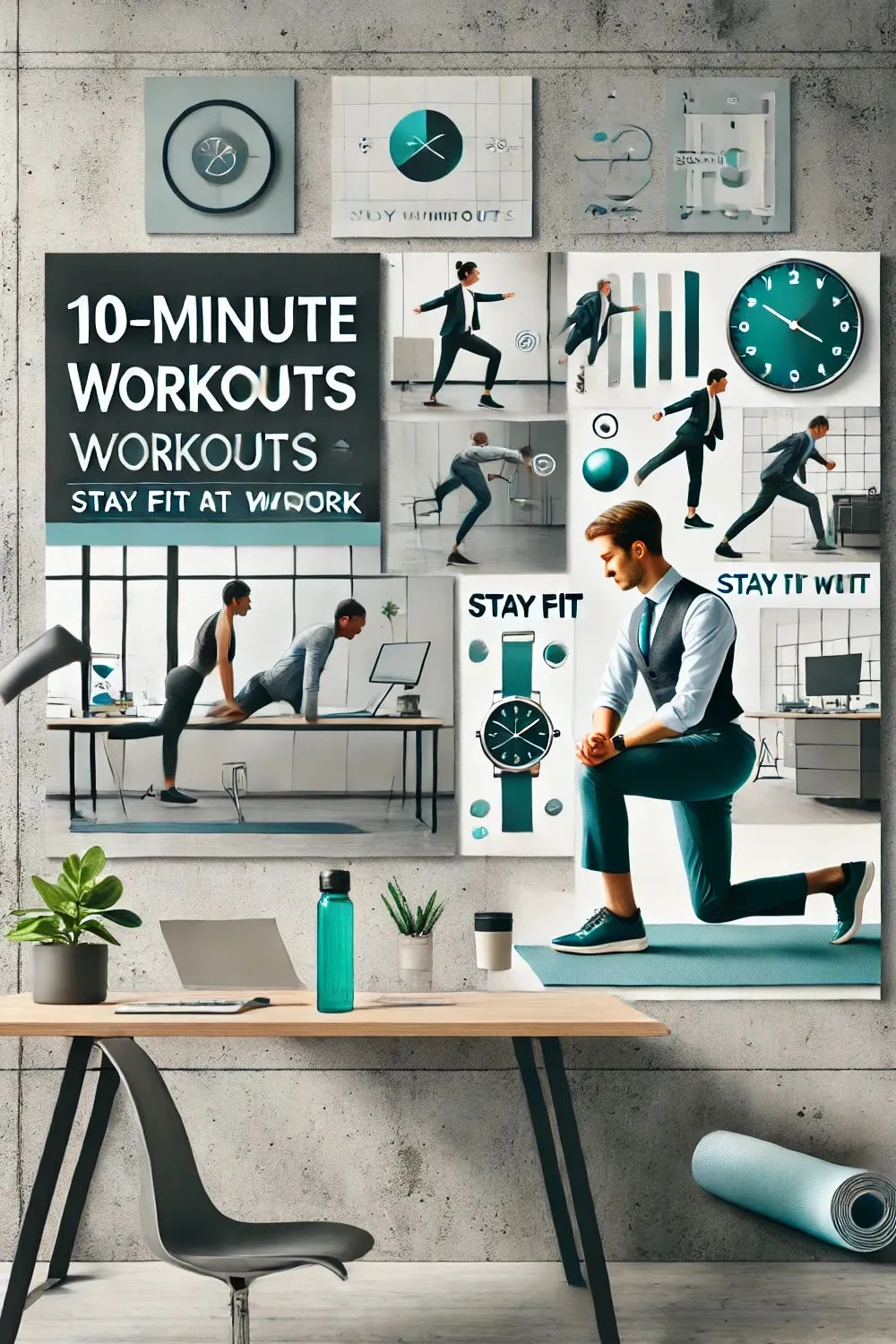
Short “exercise snacks”—brief bouts of activity scattered throughout the day—further reduce sedentary time. Research shows that accumulating movement in multiple short sessions can provide similar cardiorespiratory benefits to continuous workouts while improving blood glucose control and breaking up prolonged sitting. Simple actions such as walking meetings, stair climbing, or brief mobility drills during work breaks contribute meaningfully to overall activity levels.
Integrate Movement into Daily Life
Sustainable routines treat exercise as part of the day rather than an add-on. Habit stacking, linking new activity to existing routines, increases the likelihood of consistency. For example, performing a short set of bodyweight exercises after morning coffee or taking a brisk walk after finishing a major work task creates automatic cues.
Scheduling workouts like important meetings and protecting those time slots improves adherence. Early morning sessions often work well for professionals because they are less vulnerable to schedule disruptions later in the day. Evening movement can also help discharge stress, provided intensity remains manageable and does not interfere with sleep.
Travel and irregular schedules need not derail progress. Bodyweight workouts in hotel rooms, walking for exploration, or short mobility sequences maintain continuity. The goal is maintenance rather than peak performance during disrupted periods.
Prioritize Enjoyment and Recovery
Long-term adherence improves when activities feel enjoyable rather than obligatory. Exploring different options—walking outdoors, group classes, swimming, or dance—helps identify what feels sustainable. Individuals who enjoy their workouts are more likely to continue them over time.
Recovery forms an essential part of any sustainable plan. Adequate sleep, rest days, and attention to mobility counteract the effects of prolonged sitting and high work stress. Overtraining or insufficient recovery undermines both physical progress and the motivation to continue.
Build Gradually and Track Simply
Progression should remain gradual. Beginning with shorter sessions and slowly increasing duration or intensity reduces injury risk and supports habit formation. Research on habit development indicates that consistent context and routine cues matter more than rigid daily timing. Focusing on a few key metrics—such as number of sessions completed, perceived energy levels, or simple strength markers—provides feedback without creating excessive complexity.
An 80 percent consistency rule over several weeks often proves more realistic than aiming for perfect adherence. Missing occasional sessions is normal; the important factor is returning promptly rather than abandoning the routine entirely.
A Practical Weekly Framework
A realistic structure for many professionals might include two strength-focused sessions of 30 to 40 minutes, daily walking or light movement totaling 20 to 30 minutes, and one optional higher-intensity or mobility session when energy and time allow. One full rest day supports recovery. This framework can expand or contract based on weekly demands while still meeting core health recommendations.
Nutrition and overall lifestyle habits support the training effort. Emphasizing protein at meals and minimizing overly restrictive approaches helps maintain energy without adding decision fatigue.
Long-Term Perspective
Sustainable fitness for busy professionals rests on realism, efficiency, and flexibility. By setting a manageable weekly floor, selecting time-efficient methods such as HIIT and compound strength training, integrating movement throughout the day, and treating recovery as non-negotiable, professionals can achieve meaningful health benefits without requiring large blocks of free time.
Consistency compounds. Small, repeated actions over months produce greater results than intermittent intense efforts. The most effective routine is the one that continues year after year, adapting to the realities of a demanding professional life while steadily supporting physical and mental well-being.
Read more – llookwhatmomfound.com