Stage 4 Lung Cancer: How Treatment Can Help and What Patients Should Know
A stage 4 lung cancer diagnosis can feel frightening, especially when people immediately start thinking about survival, treatment failure, and what happens next. But stage 4 does not automatically mean that treatment is useless or that there are no options left. Modern lung cancer care has changed considerably, with chemotherapy, immunotherapy, targeted medicines, radiation, and clinical trials all playing roles for selected patients.
What Stage 4 Actually Means
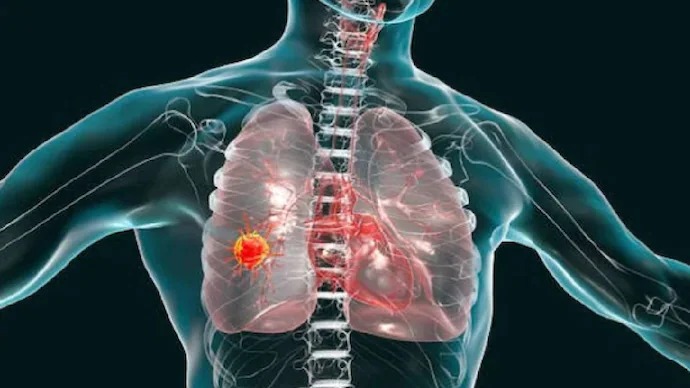
Stage 4 lung cancer generally means the cancer has spread beyond the original lung to distant parts of the body. Doctors may describe this as metastatic disease, and the exact pattern of spread can vary significantly between patients. Some people have cancer in one additional location, while others may have several areas affected at diagnosis.
That difference matters more than many people realise. Doctors do not decide treatment based only on the words “stage 4,” because they also consider the cancer type, genetic changes, location of spread, symptoms, general health, previous treatment, and how quickly the disease appears to be progressing. The treatment plan therefore needs to be personalised rather than based on stage alone.
Can Treatment Be Successful?
The honest answer is yes, treatment can be successful for some people with stage 4 lung cancer, although doctors usually avoid promising a complete cure. Success can mean different things depending on the individual situation, including shrinking tumours, slowing cancer growth, controlling symptoms, extending life, or keeping the disease stable for a significant period.
Some advanced lung cancers respond particularly well to medicines designed around specific molecular changes in the tumour. Targeted treatments can sometimes produce substantial responses when the appropriate mutation or alteration is present. Immunotherapy has also created another treatment pathway for selected patients whose cancers respond to immune-based medicines.
The Cancer Type Matters
Lung cancer is not one single disease, and this distinction becomes extremely important when doctors are choosing treatment. The two broad categories include non-small cell lung cancer and small cell lung cancer, with non-small cell lung cancer containing several different subtypes.
For non-small cell lung cancer, doctors may use chemotherapy, immunotherapy, targeted therapy, radiation, or combinations depending on the patient’s specific circumstances. NCI information lists systemic treatment approaches for newly diagnosed stage 4 disease that can include chemotherapy, targeted therapy, and immunotherapy.
Small cell lung cancer behaves differently and generally requires a different treatment approach. That is why a patient should ask the oncology team exactly which type of lung cancer has been diagnosed rather than simply relying on the stage number.
Why Biomarker Testing Matters
One of the biggest things patients should ask about is biomarker or genomic testing. Modern lung cancer treatment increasingly depends on identifying molecular changes that could make a tumour vulnerable to a particular medicine.
Depending on the cancer, doctors may look for alterations involving genes or proteins such as EGFR, ALK, ROS1, BRAF, KRAS, MET, RET, NTRK, or HER2, among others. The exact testing panel can depend on the tumour type and the treatment setting.
This testing can completely change the treatment conversation for some patients. NCI notes that people with non-small cell lung cancer should have their tumours tested for biomarkers because targeted alterations can influence treatment choices.
Targeted Medicines Can Change Options
Targeted therapy is different from traditional chemotherapy because these medicines are designed to interfere with specific molecular features that help cancer cells grow or survive. They are not suitable for everyone, because the tumour generally needs to contain a particular actionable alteration.
The list of available treatments also continues to change. For example, recent regulatory developments have expanded targeted-treatment options for certain metastatic non-small cell lung cancers involving specific alterations, including EGFR exon 20 insertions and HER2 activating mutations.
That is one reason patients should not assume that someone else’s lung cancer treatment will automatically be appropriate for them. Two people can both have stage 4 lung cancer while having completely different molecular profiles and therefore completely different treatment plans.
Where Immunotherapy Fits
Immunotherapy has become an important part of advanced lung cancer treatment for appropriate patients. Instead of directly attacking cancer cells in the same way as many chemotherapy drugs, certain immunotherapy medicines help the immune system recognise and fight cancer more effectively.
Whether immunotherapy is suitable can depend on several factors, including tumour characteristics, biomarker results, previous treatments, overall health, and the exact lung cancer diagnosis. Sometimes immunotherapy is combined with chemotherapy, while in other situations an immunotherapy medicine may be used by itself or as part of another treatment strategy.
Patients should also understand that immunotherapy can cause immune-related side effects. These can affect different organs and sometimes require prompt medical treatment, so new or unusual symptoms should be reported to the oncology team rather than ignored.
Chemotherapy Still Has a Role
With all the attention around newer cancer medicines, it is easy to assume chemotherapy has become outdated. That is not the case. Chemotherapy remains an important treatment option for many people with advanced lung cancer, sometimes being used alone and sometimes alongside immunotherapy or other medicines.
The exact combination depends on the cancer’s biology and the patient’s medical situation. Doctors may also change treatment when the cancer stops responding, because cancer cells can develop resistance over time.
Treatment therefore is not always one fixed decision made at diagnosis. It can involve several stages, with scans and clinical assessments helping doctors decide whether to continue, change, or stop a particular approach.
Radiation May Still Help
Radiation therapy is not only used for early-stage cancers. In stage 4 disease, doctors may sometimes use radiation to control a particular tumour or relieve symptoms caused by cancer spreading to another area.
For example, radiation can sometimes be considered when a tumour is causing significant pain or other local problems. NCI notes that radiation therapy can be used for palliation in metastatic lung cancer, meaning it may be used to reduce symptoms and improve quality of life.
For carefully selected patients whose cancer has spread to only a limited number of distant sites, more aggressive local treatment can sometimes also be considered. This decision is highly individual and requires specialist assessment rather than assuming that surgery or radiation is suitable for every stage 4 patient.
What About Clinical Trials?
Clinical trials are another option worth discussing, especially when standard treatments have stopped working or when a patient has a particular tumour characteristic that researchers are studying.
Trials can investigate new medicines, new combinations, new radiation approaches, or different ways of sequencing existing treatments. NCI currently lists hundreds of clinical trials involving non-small cell lung cancer treatment, showing how actively this area continues to develop.
Joining a clinical trial does not mean giving up on treatment. It means discussing whether a research treatment could be appropriate under carefully defined eligibility requirements. Patients should ask their oncologist whether there are relevant trials locally or at major cancer centres.
Survival Numbers Need Careful Reading
Searching online for “stage 4 lung cancer survival rate” can produce frightening statistics, but these numbers should not be treated as an individual’s personal prediction. Survival statistics are based on groups of people, and treatment options continue changing over time.
A person diagnosed today may have access to medicines that were unavailable when older survival statistics were collected. The presence of an actionable mutation, response to immunotherapy, number and location of metastases, overall health, and response to treatment can all influence an individual’s outlook.
Instead of asking only, “How long does someone with stage 4 lung cancer live?” patients may get more useful information by asking, “What are the treatment goals in my case?” and “How is my cancer expected to respond to this treatment?” Those questions can lead to a much more personalised discussion.
Questions Patients Should Ask
A newly diagnosed patient may feel overwhelmed during oncology appointments, which is completely understandable. Writing questions down beforehand can make those conversations easier and more productive.
Important questions can include whether the cancer is non-small cell or small cell, where it has spread, whether comprehensive biomarker testing has been completed, and whether there is a specific mutation that can be targeted. Patients can also ask what the main treatment goal is, what side effects require urgent attention, and how doctors will measure whether treatment is working.
It is also reasonable to ask whether a second opinion from another lung cancer specialist would be useful. Getting another expert view does not necessarily mean rejecting the first doctor’s recommendation. Sometimes it simply gives the patient more confidence before starting a major treatment.
Quality Of Life Still Matters
Cancer treatment is not only about scans and tumour measurements. Pain, breathing problems, appetite, sleep, emotional wellbeing, mobility, and everyday independence can have a major effect on how a patient experiences treatment.
Supportive or palliative care can sometimes be provided alongside cancer treatment rather than only at the very end of life. The goal can include controlling symptoms, managing treatment side effects, supporting emotional wellbeing, and helping patients maintain the best possible quality of life.
Family members also need support during this period. Practical help with appointments, medication schedules, meals, transportation, and communication with doctors can make a meaningful difference when treatment becomes demanding.
Conclusion: Keep The Treatment Conversation Personal
Stage 4 lung cancer is serious, but it should not automatically be viewed as a situation where treatment has nothing left to offer. Modern care includes chemotherapy, immunotherapy, targeted medicines, radiation, supportive care, and clinical trials, with the best option depending heavily on the individual cancer and its molecular characteristics.
Patients should focus on getting an accurate diagnosis, completing appropriate biomarker testing, understanding the treatment goal, and discussing every reasonable option with a qualified oncology team. No online article can predict one person’s outcome, and treatment decisions should always be personalised by medical professionals. If you or someone close to you has been diagnosed with stage 4 lung cancer, discuss the diagnosis and available treatment options with a lung cancer specialist before making major decisions.