How to Stay Active With a Desk Job: Fitness Guide
Modern work life has changed significantly, with millions of people spending several hours each day sitting at desks, working on computers, attending online meetings, or managing digital tasks. While desk jobs offer convenience and professional opportunities, long periods of sitting can negatively affect physical health, posture, energy levels, and overall fitness.
A sedentary lifestyle does not mean staying unhealthy is unavoidable. With simple adjustments, regular movement, and smart daily habits, people with desk jobs can maintain an active lifestyle and improve their fitness without making major changes to their work schedule.
The key is creating a balance between work responsibilities and physical activity. Small movements throughout the day, combined with structured exercise and healthy habits, can make a significant difference in maintaining strength, flexibility, and overall well-being.
This complete guide explains practical ways to stay active with a desk job and build a healthier daily fitness routine.
Understanding the Impact of a Desk Job on Health
Sitting for extended periods can reduce daily physical activity and limit energy expenditure. When the body remains inactive for many hours, muscles may become weaker, flexibility can decrease, and posture problems may develop.
Long periods of sitting are commonly associated with issues such as back discomfort, neck stiffness, reduced circulation, and muscle tension. Lack of movement may also affect energy levels and make people feel tired during the day.
A desk job itself is not harmful when combined with regular movement and healthy habits. The goal is to avoid prolonged inactivity by adding more physical activity into daily routines.
Start Your Day With Morning Movement
Beginning the day with physical activity can create a positive foundation for better health.
A morning fitness routine does not need to involve intense workouts. Simple activities such as stretching, walking, yoga, or light exercises can help activate muscles and improve flexibility.
Morning movement can increase energy levels, improve mood, and prepare the body for a productive day.
Creating a consistent morning routine also makes exercise a priority instead of something that gets postponed due to busy schedules.
Take Regular Movement Breaks During Work
One of the easiest ways to stay active with a desk job is by taking regular movement breaks.
Instead of sitting continuously for several hours, try standing up, walking around, stretching, or performing simple movements throughout the workday.
Short activity breaks help improve blood circulation and reduce muscle stiffness.
Walking while attending phone calls, taking a few minutes to stretch between tasks, or moving around after completing work assignments can add valuable physical activity without affecting productivity.
Small movements repeated throughout the day can contribute significantly to overall fitness.
Improve Your Sitting Posture
Maintaining proper posture is important for people who spend long hours at desks.
Poor sitting habits can place unnecessary stress on the neck, shoulders, and back. Over time, incorrect posture may contribute to discomfort and reduced mobility.
A healthy sitting position includes keeping the back supported, shoulders relaxed, feet properly placed, and the computer screen at a comfortable height.
Adjusting the workspace according to ergonomic principles can improve comfort and reduce physical strain during long working hours.
Include Desk-Friendly Exercises
Many simple exercises can be performed during short breaks at work.
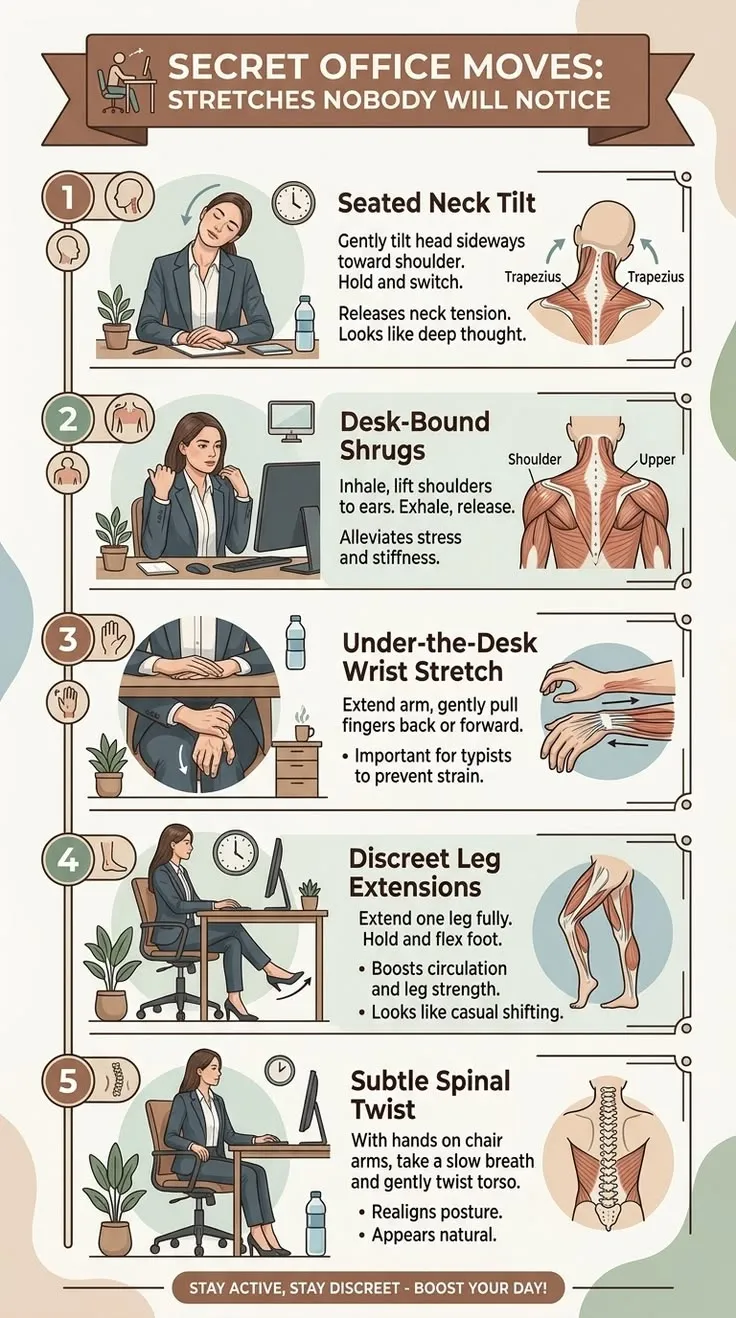
Desk-friendly movements such as shoulder rolls, neck stretches, wrist exercises, seated leg lifts, and gentle squats can help activate different muscle groups.
These exercises require little space and do not need special equipment.
Although they cannot replace complete workouts, they help reduce the negative effects of prolonged sitting and keep the body active throughout the day.
Walk More Throughout the Day
Walking is one of the simplest and most effective forms of physical activity.
People with desk jobs can increase daily movement by choosing stairs instead of elevators, walking during breaks, parking farther away from entrances, or taking short evening walks.
Walking supports cardiovascular health, improves mood, and helps maintain a healthy weight.
Even small increases in daily steps can contribute to better fitness over time.
Create a Regular Exercise Schedule
While daily movement is important, a structured exercise routine provides additional health benefits.
Adults can benefit from combining different types of exercise, including strength training, cardiovascular activities, and flexibility exercises.
Strength exercises help maintain muscle health, cardio activities support heart health, and stretching improves mobility.
The best exercise routine is one that fits your lifestyle and can be maintained consistently.
A realistic schedule is more effective than an intense routine that becomes difficult to continue.
Practice Stretching for Flexibility
Sitting for long periods can cause muscle tightness, especially around the hips, shoulders, and back.
Regular stretching helps improve flexibility and reduce stiffness.
Simple stretches during work breaks or after finishing work can relax tense muscles and improve movement.
Stretching routines can include neck movements, shoulder stretches, hamstring stretches, and back exercises.
Making stretching a daily habit supports better posture and physical comfort.
Use Active Alternatives at Work
Small changes in work habits can increase physical activity.
Using a standing desk or adjustable workstation can reduce the amount of time spent sitting.
Walking meetings, standing during phone conversations, and taking movement breaks can create more opportunities for activity.
These changes do not require completely changing your work style but help create a more active working environment.
Stay Hydrated and Maintain Healthy Eating Habits
Fitness is not only about exercise. Nutrition and hydration also play important roles in maintaining energy and health.
Drinking enough water throughout the day supports body functions and helps prevent fatigue.
Balanced meals containing essential nutrients provide the energy needed for work and physical activity.
Avoiding excessive processed foods and maintaining regular meal patterns can support better overall fitness.
Healthy eating habits combined with regular movement create a stronger foundation for long-term health.
Reduce Screen Fatigue and Eye Strain
Desk jobs often involve extended screen use, which can contribute to eye discomfort and mental fatigue.
Following healthy screen habits, such as taking regular breaks and adjusting screen brightness, can improve comfort.
Short breaks away from the screen also provide opportunities for movement and relaxation.
Reducing unnecessary screen time after work can create more opportunities for exercise and outdoor activities.
Make Exercise Enjoyable
Many people struggle to maintain fitness routines because exercise feels like a responsibility rather than an enjoyable activity.
Choosing activities you enjoy increases the likelihood of consistency.
Options such as dancing, cycling, swimming, sports, hiking, or group fitness classes can make exercise more enjoyable.
Fitness should be a lifestyle choice rather than a temporary goal.
Finding activities that match personal interests makes staying active easier and more sustainable.
Manage Stress Through Physical Activity
Desk jobs can involve mental pressure, deadlines, and long periods of concentration.
Physical activity helps manage stress by improving mood and supporting mental relaxation.
Exercise, walking, and stretching can provide a break from work-related pressure and improve overall emotional well-being.
A healthy fitness routine supports both physical and mental health.
Build Long-Term Healthy Habits
Creating lasting fitness improvements requires consistency rather than sudden changes.
Small daily actions, such as walking more, stretching regularly, maintaining posture, and exercising consistently, can create meaningful results over time.
Setting realistic goals helps maintain motivation and prevents burnout.
A balanced approach allows people with demanding work schedules to stay active without feeling overwhelmed.
Conclusion
Having a desk job does not mean sacrificing fitness and health. By adding regular movement, improving posture, creating exercise habits, and making healthier lifestyle choices, anyone can stay active despite spending many hours at a desk.
The most effective approach is to focus on small but consistent improvements. Taking movement breaks, walking more, stretching regularly, and following a structured fitness routine can help reduce the effects of prolonged sitting.
Staying active with a desk job is about creating balance between work and wellness. With practical strategies and dedication, it is possible to maintain better energy, improve physical fitness, and build a healthier lifestyle while managing professional responsibilities.
Read more – amherstdelivery.com