Pregnancy Anaemia May Raise Stillbirth Risk, New Indian Research Highlights
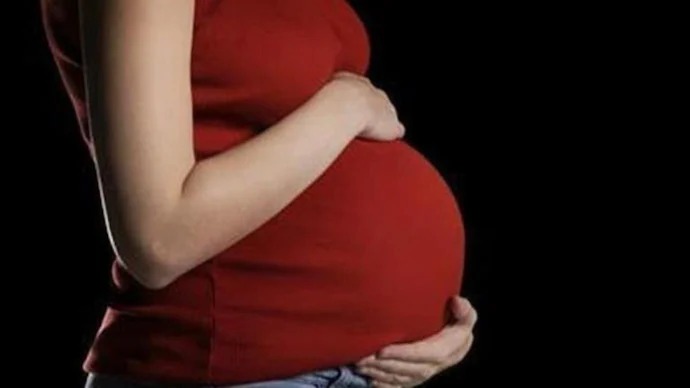
Anaemia During Pregnancy Needs More Attention
Anaemia during pregnancy is often treated as a common nutritional problem, but new Indian research suggests its impact may be more serious than many people realise. A recent study using National Family Health Survey data found that pregnant women with anaemia had a higher stillbirth rate compared with women without anaemia. The research analysed information from more than 204,000 women who had experienced pregnancy in the five years before the survey.
The findings add to growing evidence around anaemia in pregnancy and poor pregnancy outcomes across India. Researchers found a stillbirth rate of 16.5 per 1,000 total births among anaemic women, compared with 14.7 per 1,000 among non-anaemic women. The study also reported that the association remained after researchers adjusted their analysis for several maternal and socioeconomic factors.
What The Latest Study Found
The research examined data from the fifth round of the National Family Health Survey, commonly known as NFHS-5, covering the 2019–21 period. Researchers used information from 204,723 women aged between 15 and 49 years who had experienced a pregnancy during the relevant period. They then examined whether maternal anaemia was associated with stillbirth after considering other characteristics.
The difference in stillbirth rates may look relatively small when viewed as individual numbers, but researchers consider the association important because anaemia remains widespread among women of reproductive age. The analysis showed higher odds of stillbirth among anaemic women, with the association continuing across adjusted statistical models.
This does not mean every pregnant woman with anaemia will experience a stillbirth, and the study does not establish that anaemia alone directly causes stillbirth. Instead, the findings show a meaningful association that deserves attention, particularly because anaemia can often be detected through routine pregnancy care.
Why Anaemia Can Matter
Anaemia happens when the body does not have enough healthy red blood cells or sufficient haemoglobin to carry oxygen effectively throughout the body. During pregnancy, the body’s demand for oxygen, iron, and other nutrients increases considerably because the mother is supporting the developing baby.
Iron deficiency is one common contributor, although anaemia can have several different causes. Poor dietary intake, increased nutritional requirements, infections, blood loss, and certain medical conditions can all contribute depending on the individual situation.
When anaemia becomes moderate or severe, reduced oxygen-carrying capacity can become more concerning during pregnancy. Previous Indian research has also found stronger associations between severe maternal anaemia and adverse fetal and neonatal outcomes, including stillbirth and neonatal death.
ICMR Research Shows Bigger Picture
The Indian Council of Medical Research has also been involved in large-scale work examining stillbirth and pregnancy-related risk factors through the ICMR-Stillbirth Pooled India Cohort, known as ICMR-SPIC. The cohort includes 229,695 pregnant women from multiple sites across nine Indian states.
The cohort data found that 33.3% of women had moderate or severe anaemia during pregnancy, based on the study’s haemoglobin definition. Anaemia was among the maternal factors recorded for evaluating stillbirth risks and developing future prediction models.
This scale matters because stillbirth is influenced by many different factors rather than one single condition. Maternal nutrition, previous pregnancy history, hypertension, fetal problems, infections, bleeding, access to antenatal care, and other complications can all play roles.
Stillbirth Has Multiple Causes
It would be misleading to look at anaemia as the only explanation behind stillbirth. Pregnancy outcomes can be affected by several conditions at the same time, and researchers need to separate these factors carefully when studying national health data.
For example, the ICMR cohort tracks factors including maternal age, body mass index, parity, previous stillbirth, pregnancy complications, pre-eclampsia, eclampsia, antepartum haemorrhage, fetal malpresentation, and anaemia.
This broader picture explains why the latest findings should be viewed as a warning for better maternal healthcare rather than as a reason for panic. Anaemia is one potentially modifiable risk factor, which makes early detection and appropriate treatment especially valuable.
Why Regular Pregnancy Checks Matter
Routine antenatal care can help identify anaemia before it becomes more serious. Blood tests can measure haemoglobin levels and help healthcare professionals understand whether a pregnant woman needs further evaluation or treatment.
The important point is that treatment should depend on the cause and severity of anaemia. Iron supplementation may be appropriate in iron-deficiency cases, but taking supplements without medical advice is not always the best approach because different types of anaemia require different management.
India has already placed significant attention on reducing anaemia among women and children through public health programmes. The ICMR’s recent annual report also highlights work around managing moderate-to-severe iron deficiency anaemia during pregnancy, including evaluation of intravenous ferric carboxymaltose for situations where rapid haemoglobin correction may be needed.
Nutrition Still Plays An Important Role
Diet remains an important part of maintaining healthy haemoglobin levels, although food alone may not correct moderate or severe anaemia in every pregnancy. Pregnant women generally need adequate sources of iron, folate, protein, vitamin B12, and other nutrients as part of a balanced diet.
Foods such as pulses, green leafy vegetables, beans, fortified foods, nuts, seeds, and suitable animal-source foods can contribute useful nutrients. Vitamin C-rich foods can also support iron absorption when eaten alongside plant-based iron sources.
However, nutritional advice should not replace medical evaluation. A woman who already has significant anaemia may need testing and treatment beyond dietary changes, especially when pregnancy is progressing quickly and nutritional requirements are increasing.
Severe Anaemia Deserves Particular Concern
Earlier research from India and Pakistan found that severe maternal anaemia was associated with substantially higher fetal and neonatal risks. In that prospective cohort, the stillbirth rate was much higher among women with severe anaemia than among women with normal haemoglobin levels.
Another Indian cohort study from rural Maharashtra reported that moderate or severe anaemia during pregnancy was associated with higher risks of stillbirth, neonatal death, and low birth weight. The same research found that risks could be higher when anaemia and being underweight occurred together.
These findings suggest that severity matters, and maternal health should not be judged simply by whether someone has been labelled as anaemic. The actual haemoglobin level, underlying cause, nutritional status, pregnancy stage, and other medical conditions all deserve consideration.
What Pregnant Women Should Know
The latest evidence should encourage pregnant women to take routine antenatal testing seriously rather than create unnecessary fear. Anaemia is common, but it should not simply be ignored because many women experience it.
Anyone who feels unusually tired, weak, breathless, dizzy, or has other concerning symptoms should discuss them with a qualified healthcare professional. Some symptoms can occur during normal pregnancy as well, so proper testing remains more useful than trying to identify anaemia based only on how someone feels.
Pregnant women should also avoid changing prescribed medicines or supplements without speaking with their doctor or maternity care provider. The correct treatment depends on individual test results and the underlying reason for the low haemoglobin level.
India Needs Stronger Maternal Monitoring
The new evidence also raises a wider public health question about how consistently anaemia is detected and managed among women before and during pregnancy. Preventing severe anaemia before conception could potentially reduce risks that become harder to manage later.
Better nutrition, accessible antenatal services, regular haemoglobin testing, appropriate supplementation, and timely referral for complicated cases can all support safer pregnancies. Rural and economically disadvantaged communities may require additional attention because access to healthcare and nutrition can differ considerably between populations.
The large ICMR-SPIC project is expected to contribute further evidence by analysing individual-level data, identifying important risk factors, and developing prediction models for stillbirth in India.
A Health Warning Worth Taking Seriously
The relationship between maternal anaemia and stillbirth is not something that should be exaggerated, but it should not be dismissed either. The latest Indian analysis adds national-level evidence showing that anaemic women experienced a higher stillbirth rate than non-anaemic women.
The strongest message is therefore fairly practical. Anaemia during pregnancy deserves proper screening, diagnosis, monitoring, and treatment based on medical advice. It is also important to remember that stillbirth has many possible causes, meaning one risk factor cannot explain every pregnancy outcome.
For families, regular antenatal visits remain one of the simplest ways to identify problems early. For health systems, improving access to maternal nutrition and anaemia management could become an important part of reducing preventable pregnancy complications.
Conclusion
The latest evidence brings fresh attention to the connection between pregnancy anaemia and stillbirth risk in India. Research based on NFHS-5 data found a higher stillbirth rate among anaemic women, while large ICMR research shows how common moderate-to-severe anaemia remains during pregnancy. These findings should encourage better screening rather than unnecessary alarm. Early testing, appropriate nutrition, regular antenatal care, and timely medical treatment can help identify anaemia before it becomes more serious. Pregnant women should always discuss abnormal blood results or concerning symptoms with qualified healthcare professionals. For reliable pregnancy care information and personalised medical guidance, speak with your doctor or maternity care provider.
Read More :- pixelperkes.com