Alcaraz Ready to Be Carlitos Again at US Open
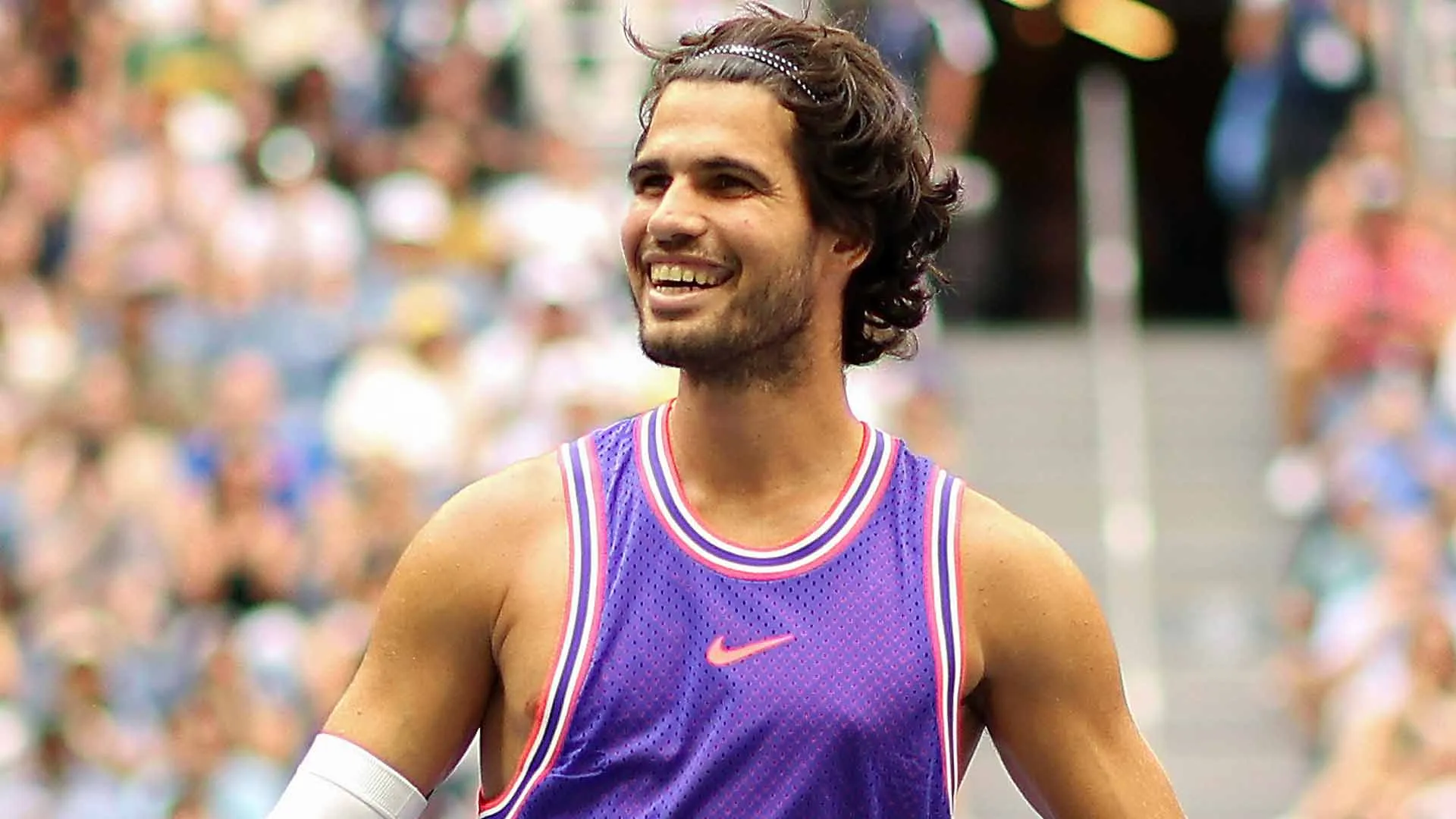
Carlos Alcaraz returns to competitive singles at the US Open on Monday after more than four months on the sidelines with a right wrist injury. The defending champion has made it clear that he does not intend to ease his way back into the Grand Slam. “You’re going to see Carlitos playing the way he always has,” he said, signalling that neither his technique nor his aggressive style has been altered during recovery.
A Long Lay-Off and a Direct Return
Alcaraz has not played a singles match since mid-April, when the wrist injury forced him to retire from the Barcelona Open. The problem kept him out of the French Open, where he was also the defending champion, and Wimbledon. He missed the North American hard-court swing leading into New York and arrives at Flushing Meadows without the usual sequence of tune-up events.
His first competitive singles appearance will therefore come in best-of-five-set tennis against Roman Safiullin. The Spaniard has already stepped onto the court in mixed doubles this week, an appearance that offered limited match rhythm but little preparation for the physical demands of a full Grand Slam campaign.
Mental Challenges of Recovery
Alcaraz has been open about the psychological side of the lay-off. The first month, when he could not use his right arm, proved especially difficult. As he began to practise again without a clear timeline for return, intrusive thoughts about whether he would be ready for Cincinnati, the US Open, or the entire American swing became a significant burden.
He has credited his team with helping him manage those doubts. Trusting the people around him, he said, became essential. The injury also reinforced a broader lesson: much of the battle sits in the mind. Once physical recovery progressed, the focus shifted to silencing fear and playing with the same freedom that has defined his game.
No Technical Compromises
Some players modify their technique or reduce certain shots after wrist problems. Alcaraz has rejected that path. He stated that he has made no changes to his mechanics, movement or overall approach. Altering his game, he believed, would have prevented him from returning as the same player.
Intensive practice sessions, including a week of high-intensity work with Holger Rune in Murcia, were used to test how the wrist responded under realistic loads. Those sessions gave him and his team the confidence to commit to the US Open rather than delay further.
Belief in a Possible Title Defence
Despite the long absence, Alcaraz believes winning the tournament remains possible. He pointed to previous champions who have claimed Grand Slam titles after significant injury lay-offs, citing the examples of Roger Federer and Rafael Nadal. While he refuses to set rigid result-based expectations, he has framed the week around process, enjoyment and feeling good on court rather than pressure to deliver an immediate peak performance.
The absence of Jannik Sinner, who withdrew with a knee injury, removes one of his most consistent rivals from the draw. Alexander Zverev is the top seed in Sinner’s place. Alcaraz enters as the second seed and defending champion, carrying the weight of expectation that accompanies both statuses.
The Need for Competition
Alcaraz has repeatedly emphasised that he needs match play. Practice, however intense, cannot fully replicate the demands of competitive tennis. The decision to return at a Grand Slam rather than a smaller event was not ideal in terms of gradual build-up, yet he and his team concluded he was ready. “It wasn’t an easy decision,” he acknowledged. “I just did whatever it took to be ready.”
That readiness will be tested immediately. Best-of-five-set matches demand sustained intensity, tactical adaptability and physical resilience over several hours. Any lingering rust or lingering caution around the wrist will be exposed under those conditions.
New York as Familiar Ground
Alcaraz has enjoyed notable success at the US Open. His record in New York is strong, and the venue holds personal significance as the site of previous triumphs, including the title he now defends. That history provides a measure of comfort even as he navigates the uncertainty of a long absence.
Observers have noted that his game contains an element of unpredictability and shot-making that can produce sudden momentum shifts. Even if he is not at absolute peak fitness, opponents will still have to solve the problems he creates on court. Former champion Andy Roddick has suggested that the decision to play indicates the risk of re-injury is considered low, and that Alcaraz appears willing to accept the possibility of early fatigue or rust in exchange for the chance to compete.
A Season Restarted
The 2026 season had begun with high promise. Alcaraz completed a career Grand Slam by winning the Australian Open earlier in the year. The wrist injury in Barcelona halted that momentum and erased the clay and grass campaigns that followed. The US Open now serves as both a return to action and an opportunity to salvage a major title from a disrupted year.
How quickly he can rediscover match sharpness will determine how far he progresses. The early rounds will offer the first evidence of whether the wrist holds up under repeated stress and whether the competitive instincts that define “Carlitos” reappear without hesitation.
Looking Ahead
Carlos Alcaraz steps back onto the biggest stage with clarity of purpose. He has chosen not to dilute his game, not to lower expectations of himself, and not to treat the tournament merely as a cautious reintroduction. The coming days will reveal how much of his best tennis has survived the four-month interruption. For the defending champion, the message is straightforward: Carlitos is ready to play the way he always has, and the title defence begins now.
Read more – Instantdua.com