RBI Hikes Repo Rate to 5.50%, First Increase in Nearly 4 Years
The Reserve Bank of India’s Monetary Policy Committee has raised the policy repo rate by 25 basis points to 5.50 per cent, marking the first increase since February 2023. The decision, announced on 7 October 2026 after a three-day meeting, reflects growing concern over inflation pressures even as the Indian economy continues to show resilience. The committee also shifted its policy stance from neutral to “calibrated tightening,” signalling that rate cuts are no longer under consideration in the near term.
Unanimous Decision Amid Changing Conditions
The six-member MPC voted unanimously for the 25-basis-point increase. The move lifts the repo rate from 5.25 per cent to 5.50 per cent. Corresponding adjustments were made to related rates: the standing deposit facility rate moved to 5.25 per cent, while the marginal standing facility rate and the bank rate were set at 5.75 per cent.
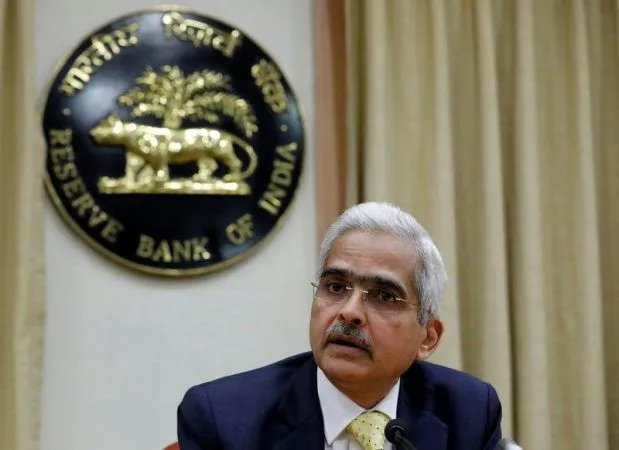
Governor Sanjay Malhotra explained that the decision was driven primarily by the evolving inflation outlook. “Inflation and its outlook are not as benign as they were last year,” he said. Headline consumer price inflation is projected to average around 5.8 per cent over the next three quarters, while the full-year projection stands at a lower figure that still reflects elevated pressures relative to the recent past.
Why the RBI Moved Now
Several factors converged to prompt the shift. Consumer inflation has risen in recent months, remaining above the RBI’s 4 per cent target. Global crude oil prices have stayed elevated, adding to imported inflation risks. The rupee has faced depreciation pressure, and international financial conditions have tightened as major central banks elsewhere have also moved toward firmer policy.
Despite these headwinds, the domestic economy has retained strength. High-frequency indicators suggest that activity in the second quarter has held up, even if momentum is somewhat softer than in the first quarter. This combination—resilient growth alongside rising price pressures—gave the central bank room to prioritise inflation control without an immediate threat to economic expansion.
The change in stance to calibrated tightening is significant. It indicates that the next policy action, if any, is more likely to be another hike or a pause rather than a cut. Governor Malhotra made clear that rate reductions are off the table for the near term.
Implications for Borrowers and the Economy
For households and businesses, the immediate effect will be felt through lending rates. Loans linked to the external benchmark, including many home loans and floating-rate personal and business loans, are expected to become costlier as banks transmit the higher policy rate. Existing borrowers on floating rates will see higher equated monthly instalments, while new borrowers will face elevated borrowing costs.
Deposit rates may also firm up over time as banks adjust their liability pricing, though the pace and extent of transmission will depend on liquidity conditions and competitive dynamics in the banking system. For the broader economy, tighter financial conditions are intended to cool demand-side pressures that could otherwise embed higher inflation expectations.
A Shift After a Long Easing Cycle
The October decision ends a prolonged period in which the RBI first cut rates substantially and then held them steady. Cumulative easing in the preceding phase had brought the repo rate down significantly before the pause. The return to tightening places the RBI alongside other major central banks that have already begun or continued firming policy in response to global price and financial market developments.
Markets had widely anticipated a possible hike, with many economists pointing to the combination of firmer inflation readings, elevated oil prices and currency pressure. The unanimous vote and the explicit stance change remove much of the ambiguity about the central bank’s near-term direction.
Balancing Growth and Price Stability
Governor Malhotra emphasised that the Indian economy remains resilient and that the growth momentum is broad-based. The challenge for policy is to prevent a temporary rise in inflation from becoming persistent. By acting preemptively while growth is still solid, the RBI aims to anchor expectations and preserve the credibility of its inflation-targeting framework.
Future decisions will depend on incoming data—particularly the trajectory of food and fuel prices, the evolution of core inflation, the monsoon’s residual impact on agricultural output, and global developments. The calibrated tightening stance provides flexibility: the committee can pause if pressures ease or tighten further if they intensify.
What Comes Next
Attention now turns to how quickly banks pass on the higher policy rate, how inflation evolves in the coming months, and whether additional action will be required. For borrowers, the message is that the era of progressively cheaper credit has paused. For savers, the prospect of better returns on deposits may gradually improve. For policymakers, the priority is clear: keep inflation expectations in check while supporting the economy’s underlying strength.
The October 2026 decision marks a turning point. After nearly four years without a rate increase, the Reserve Bank has signalled that price stability remains paramount and that it is prepared to use its policy tools to defend it. The unanimous hike and the shift to calibrated tightening leave little doubt about the central bank’s current resolve.
Read more – sportstatsflow.com