Severe Thunderstorm Watch Explained: What It Means, Why It Matters, and How to Stay Safe
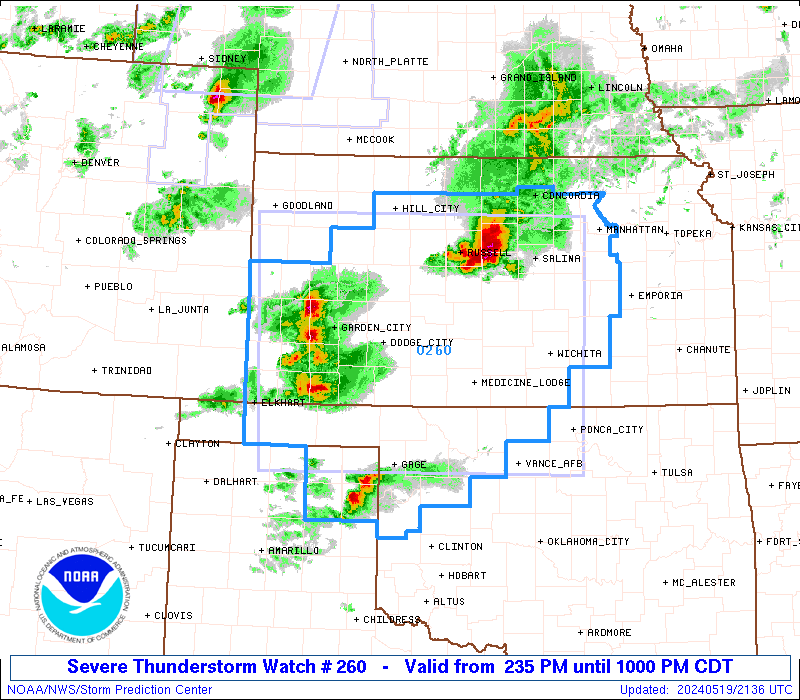 A severe thunderstorm watch is one of those weather alerts that many people notice but do not always understand correctly. Some assume a storm is already happening outside their window. Others ignore the notification completely because the sky still looks bright. Neither reaction is ideal. A watch simply means the atmosphere has the right ingredients for dangerous thunderstorms to develop within a certain area. It is not a guarantee, but it is definitely a signal that paying attention is a smart idea.
Weather forecasting has improved enormously during the past few decades, yet thunderstorms remain difficult to predict with perfect accuracy. A storm can suddenly strengthen, change direction, or weaken much faster than expected. That uncertainty is exactly why weather agencies issue watches before dangerous conditions fully develop. The extra warning gives people valuable time to prepare instead of reacting after severe weather arrives.
Understanding The Basic Meaning
Many people confuse a watch with a warning, even though the difference is important. A severe thunderstorm watch means weather conditions are favorable for severe thunderstorms to form. A warning means a severe thunderstorm has already been detected by radar or observed by trained weather spotters and is either happening or expected very soon.
That difference might sound simple, yet it can influence important decisions. During a watch, people should review safety plans, monitor weather updates, and avoid unnecessary outdoor activities if possible. During a warning, immediate protective action becomes much more important because the threat is no longer theoretical.
Weather agencies issue these alerts after analyzing satellite images, radar information, atmospheric pressure, humidity, temperature changes, and wind patterns. Modern forecasting combines advanced technology with experienced meteorologists making careful judgments.
What Makes A Thunderstorm Severe
Not every thunderstorm earns the word “severe.” Many storms produce rain, lightning, and gusty winds without reaching dangerous levels. A severe thunderstorm usually meets specific criteria established by meteorological agencies.
Strong wind gusts capable of damaging buildings, large hail that can dent vehicles or injure people, and frequent lightning often accompany these storms. Sometimes heavy rainfall becomes intense enough to create flash flooding within a short period. Falling trees, damaged power lines, and flying debris become real concerns once storms reach severe intensity.
Interestingly, some severe thunderstorms produce very little rainfall while still generating destructive winds. Others appear relatively harmless until they suddenly intensify within minutes. Nature rarely follows predictable patterns every single time.
Why Weather Conditions Change So Quickly
Thunderstorms feed on warm, moist air combined with atmospheric instability. When these ingredients mix together beneath cooler air higher in the atmosphere, rising air currents develop rapidly. That process can transform ordinary clouds into towering storm systems surprisingly fast.
Wind shear also plays an important role. Changes in wind speed or direction at different heights help organize storms and sometimes increase their strength dramatically. Meteorologists watch these atmospheric patterns carefully because they often indicate whether severe weather may develop.
Even small temperature differences can influence storm behavior. Local geography, nearby lakes, mountains, and urban environments sometimes affect how thunderstorms grow or weaken. Forecasting therefore remains a combination of science, experience, and constant observation.
Common Hazards During Severe Storms
Lightning is often underestimated despite causing injuries and fatalities every year. A single lightning strike carries enormous electrical energy capable of causing fires, damaging electronics, and seriously injuring anyone caught outdoors. Seeking shelter inside a sturdy building remains one of the safest choices.
Strong winds create another major hazard. Wind gusts exceeding severe thresholds can break tree branches, overturn lightweight structures, damage roofs, and scatter unsecured objects across neighborhoods. Outdoor furniture, construction materials, and even small decorations may become dangerous projectiles.
Large hail also deserves attention. Ice stones falling at high speed can damage vehicles, break windows, destroy crops, and cause injuries. Some hailstones grow surprisingly large before reaching the ground, especially during powerful thunderstorms with strong updrafts.
Preparing Before The Storm Arrives
Preparation does not require expensive equipment or complicated planning. Small actions completed before severe weather develops often make a significant difference later. Charging mobile phones, checking flashlights, securing outdoor furniture, and reviewing emergency contacts are practical starting points.
Families should know where to shelter if dangerous weather approaches. Interior rooms away from windows generally provide better protection than open spaces with large glass surfaces. People living in mobile homes should identify sturdier nearby shelters whenever possible.
Emergency supply kits also help during prolonged power outages. Bottled water, nonperishable food, batteries, medications, and portable phone chargers provide valuable support when normal services become temporarily unavailable.
Staying Safe During Active Weather
Once severe weather begins, staying informed becomes just as important as staying indoors. Weather apps, emergency alerts, local radio broadcasts, and official forecasting agencies provide updated information as conditions evolve. Storms can change direction unexpectedly, making continuous monitoring worthwhile.
Avoid using corded electrical appliances during intense lightning activity whenever possible. Staying away from windows reduces injury risk if strong winds or flying debris strike nearby. Drivers should also avoid flooded roads because water depth can be deceptive and dangerous.
If you hear thunder, you are already close enough to be struck by lightning. That simple safety message has saved countless lives over many years.
Climate Patterns And Stronger Storms
Scientists continue studying how changing climate conditions may influence severe thunderstorms. While individual storms cannot automatically be linked to broader climate trends, warmer air generally holds more moisture. Increased atmospheric moisture may contribute to heavier rainfall during some weather events.
Research also suggests that certain regions could experience shifts in storm frequency or seasonal timing. These patterns remain complex because many atmospheric variables interact simultaneously. Meteorologists therefore continue improving forecasting models as new scientific evidence becomes available.
Public awareness has also improved considerably. Faster communication allows weather agencies to distribute watches and warnings almost instantly through smartphones, television broadcasts, and digital platforms.
Why People Should Never Ignore A Watch
Some severe thunderstorm watches expire without producing major storms, causing people to question their usefulness. However, forecasting always involves probabilities rather than absolute certainty. A watch exists because conditions support possible severe weather, not because severe weather is guaranteed.
Ignoring repeated watches can create dangerous habits. Eventually one watch will develop into destructive storms, leaving little preparation time for anyone who dismissed earlier alerts. Treating every watch seriously encourages safer decision-making without creating unnecessary panic.
Preparedness should always balance caution with common sense. Staying informed does not mean becoming fearful. It simply means respecting unpredictable weather.
Conclusion
A severe thunderstorm watch is more than just another weather notification appearing on your phone screen. It represents an early opportunity to prepare before dangerous storms potentially develop across your area. Understanding the difference between a watch and a warning, recognizing common storm hazards, and following basic safety practices can significantly reduce weather-related risks. Thunderstorms remain among nature’s most unpredictable events, but preparation always improves personal safety. Make weather awareness part of your regular routine, follow updates from official forecasting agencies, and encourage family members to understand emergency plans before severe weather strikes. Staying informed today may protect lives and property tomorrow. Keep monitoring reliable forecasts, remain prepared, and always take severe weather alerts seriously.