Low-Fat Vegan Diet May Support Weight Loss Without Counting Calories
A Different Way To Approach Weight Loss
Losing weight usually brings up the same familiar advice about counting calories, checking food labels, and measuring every portion carefully. But a recent health finding has put attention on a different approach, suggesting that a low-fat vegan diet may help people lose weight without deliberately restricting their calorie intake. The idea sounds surprising at first, especially because many weight-loss plans depend heavily on calorie tracking. Yet the type of food people eat can influence how much they naturally consume during the day.
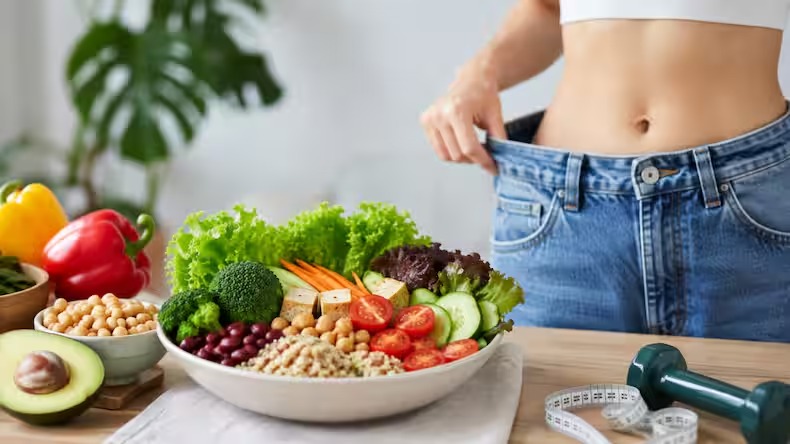
A diet centered on vegetables, fruits, legumes, whole grains, and other plant foods can change the overall calorie density of meals. This means a person may eat a satisfying amount of food while consuming fewer calories naturally. The approach is less about eating tiny portions and more about changing what fills the plate. That difference could make weight management feel easier for some people who dislike strict dieting.
Why Food Choices Can Matter More
Calories still matter when the body gains or loses weight, but people do not necessarily need to calculate every calorie to create a lower-energy diet. Foods differ greatly in how much energy they provide for the same physical amount. Fat contains considerably more energy per gram than carbohydrates or protein, while many vegetables and fruits contain lots of water and fiber.
A low-fat vegan diet generally reduces foods such as meat, dairy products, butter, and other animal-derived ingredients. When these foods are replaced with vegetables, fruits, beans, lentils, whole grains, and other minimally processed plant foods, the overall energy density of meals can become lower. Someone might therefore eat a larger-looking plate without consuming as much energy as before.
Bigger Plates Can Still Help
One interesting part of this approach involves portion appearance, because people often feel more satisfied when their plate looks full. A meal containing vegetables, beans, potatoes, grains, or fruit can occupy plenty of space without being extremely calorie dense. That can make eating feel less restrictive compared with a plan built around small portions.
For example, a bowl filled with vegetables, beans, and whole grains can provide substantial volume along with fiber and nutrients. A smaller serving of a high-fat food can contain similar or greater calories while taking up much less space. This difference does not mean high-fat foods are automatically unhealthy, but it explains why food composition can influence daily energy intake.
Fiber May Play A Useful Role
Fiber is another important part of this dietary pattern, and plant-based foods are often naturally rich in it. Vegetables, fruits, beans, lentils, and whole grains can provide different types of dietary fiber that support normal digestion and may contribute to feelings of fullness after meals.
When meals contain more fiber, people may stay satisfied for longer periods between eating occasions. That can potentially reduce frequent snacking or the desire to eat highly concentrated foods throughout the day. Still, individual responses vary considerably, and simply choosing vegan foods does not guarantee weight loss if the overall diet contains many calorie-dense processed products.
Vegan Does Not Always Mean Light
This is where the conversation around vegan diets becomes important, because not every vegan food automatically supports weight management. Plant-based cookies, fried foods, sugary drinks, desserts, chips, and highly processed meat alternatives can still provide substantial amounts of energy.
A person could technically follow a vegan diet while eating large quantities of processed foods every day. That would be very different from a dietary pattern built mostly around whole or minimally processed plant foods. The potential benefit comes from the overall food pattern rather than the vegan label appearing on a package.
What Happens When Fat Intake Drops
Dietary fat has an important role in normal nutrition, so completely removing fat is generally unnecessary and can make a diet harder to maintain. However, reducing the amount of added and concentrated fats can lower the energy density of meals considerably.
Cooking methods can also make a noticeable difference in everyday eating habits. Using less oil, choosing steamed or roasted vegetables, and relying more on beans and whole grains can change the nutritional profile of familiar meals. The goal is not necessarily to make every meal fat-free, but to shift the balance toward foods that provide more volume and nutrients.
The Body Still Needs Proper Nutrition
Any weight-loss diet needs to provide enough essential nutrients, because losing weight should not mean sacrificing overall nutritional quality. People following vegan eating patterns need to pay attention to nutrients such as vitamin B12, iron, calcium, iodine, vitamin D, omega-3 fats, and adequate protein.
Vitamin B12 deserves particular attention because reliable sources are limited in an entirely plant-based diet. Fortified foods or appropriate supplements may therefore be necessary for many people following vegan diets. Anyone making major dietary changes should consider discussing their individual nutritional needs with a qualified healthcare professional.
Protein Still Deserves Attention
Protein can become another practical concern when people dramatically change their eating habits. Beans, lentils, chickpeas, peas, soy foods, tofu, tempeh, and other plant-based options can provide useful amounts of protein without relying on animal products.
Including protein-rich plant foods across meals can make the diet more balanced and satisfying. Someone who simply removes meat and dairy without replacing their nutritional contribution may end up eating meals that are less satisfying. A well-planned vegan diet looks very different from a diet where animal products are removed randomly.
Weight Loss May Happen Naturally
The interesting point behind this dietary approach is that people may reduce their overall calorie intake without consciously counting calories. When meals become less energy dense and contain more fiber-rich foods, the body can receive substantial food volume with fewer calories.
This does not mean every person will lose weight automatically. Metabolism, physical activity, sleep, medications, age, genetics, and existing health conditions can all influence weight changes. Some people may also eat enough calorie-dense plant foods to prevent any meaningful reduction in energy intake.
Exercise Still Has A Place
Diet can influence body weight, but regular physical activity remains valuable for much more than burning calories. Walking, strength training, cycling, swimming, and other activities can support cardiovascular health, muscle strength, mobility, and general wellbeing.
For someone trying to manage their weight, combining nutritious eating with regular movement can be more useful than treating either one as a complete solution. Strength training may be especially helpful because maintaining muscle becomes increasingly important during weight loss. The best activity is usually something a person can perform consistently rather than an extreme routine that becomes difficult to continue.
A Practical Plate Can Be Simple
People do not necessarily need complicated recipes to try this style of eating. A basic meal could include vegetables, beans or lentils, a whole-grain food, and a piece of fruit afterward. Potatoes, oats, brown rice, whole-grain breads, chickpeas, kidney beans, and seasonal vegetables can all fit into simple everyday meals.
Indian meals can also adapt quite easily to this approach. Dal with vegetables, rajma with rice, vegetable poha, chana dishes, mixed vegetable curries, and whole-grain rotis can be adjusted using less added oil. Small changes across several meals may be easier to maintain than completely changing everything overnight.
Why Counting Calories Feels Difficult
Calorie tracking works for some people, but it can become tiring when every meal requires measurement and recording. Eating at restaurants, attending social events, or preparing food without exact measurements can make tracking even more complicated.
A food-based approach may feel simpler because the person focuses on choosing particular categories of foods rather than recording every number. That does not make calories irrelevant, but it can remove some of the daily mental effort associated with traditional dieting. For people who dislike tracking apps and food scales, that difference could matter considerably.
Individual Results Can Be Different
It is important not to treat the findings around a low-fat vegan eating pattern as a guarantee of weight loss for everyone. Research findings describe trends across groups, while individual bodies can respond differently to the same dietary changes.
People with diabetes, kidney conditions, digestive disorders, pregnancy-related nutritional needs, or other medical concerns may require more personalized dietary guidance. Making major changes without considering existing health needs can create nutritional problems even when the diet appears healthy overall.
Professional Conclusion
A low-fat vegan diet can offer an interesting approach to weight management because it emphasizes foods that are often high in fiber, nutrient-rich, and lower in calorie density. Instead of forcing people to count every calorie, the eating pattern may encourage naturally lower energy intake through changes in food composition and meal volume. Still, vegan eating is not automatically healthy, and careful attention to protein, vitamin B12, minerals, and overall nutritional balance remains important. Weight loss also depends on individual factors, so results can vary significantly from one person to another. If you are considering a major dietary change, speak with a qualified healthcare professional and create a plan that fits your nutritional needs and lifestyle.
Read More :-