Ancelotti Says India Lacks Football Culture
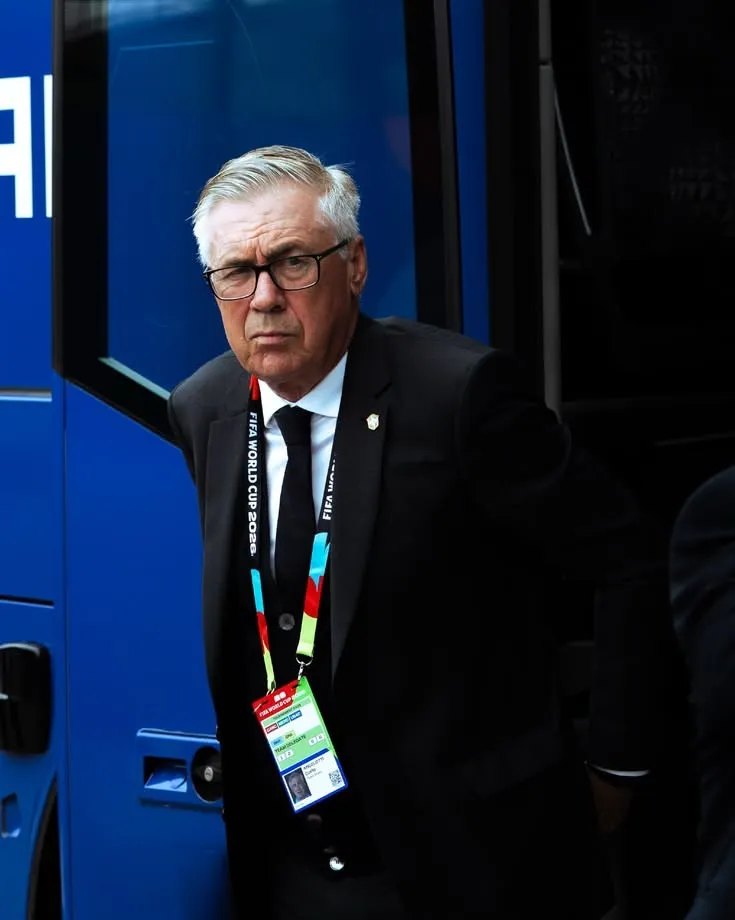
Brazil head coach Carlo Ancelotti has stated that India does not have a football culture and must strengthen its grassroots system to develop future generations of players. His remarks came ahead of a friendly match between India and Brazil scheduled for October 3 in Kolkata, offering a rare opportunity for the Blue Tigers to face one of the world’s most successful national teams.
Ancelotti’s Direct Assessment
Speaking in an interview, the experienced Italian manager did not soften his view of the Indian football landscape. “I think it’s a problem of culture. India does not have a culture of football, but they are good in other sports. You have to work on this to build a new generation of players,” Ancelotti said.
He acknowledged that India has limited experience against top-tier international opposition and framed the upcoming encounter as useful for both sides. For Brazil, the match forms part of a broader preparation cycle. For India, it represents a chance to test itself against elite players and different tactical approaches.
Ancelotti also expressed personal curiosity about the visit. He noted that he had never been to India and was looking forward to experiencing Kolkata, a city with a long-standing passion for the game despite the country’s overall ranking and results.
Context of the Friendly
The match marks the first time a full-strength Brazil senior men’s national team will play on Indian soil. Brazil, consistently ranked among the top sides in the world, will arrive with a squad featuring established internationals. India, ranked far lower and yet to qualify for a FIFA World Cup, will treat the fixture as a high-value learning opportunity.
Ancelotti emphasised that Brazil does not approach any international match lightly. “It’s a preparatory game, a friendly, but for us, there’s never a friendly game. When you play for the national team, you have to always do your best,” he said. The Brazilian setup is focused on building towards future tournaments, including the Copa America and the 2030 World Cup, while evaluating and integrating younger players into the senior group.
Grassroots as the Core Challenge
Ancelotti’s central point centred on the absence of a deep, sustained football culture that produces a steady pipeline of talented players. In successful football nations, the sport is woven into daily life through school programmes, community clubs, accessible facilities and competitive youth pathways. These structures identify talent early, provide consistent coaching and create an environment in which technical and tactical development occurs naturally.
In India, football enjoys passionate followings in specific regions such as West Bengal, Kerala, Goa and the Northeast. Yet at the national level the sport has struggled to convert popularity into consistent competitive success. Limited infrastructure at the base, uneven coaching standards, irregular youth competitions and the overwhelming dominance of cricket in the sporting imagination have all been cited as contributing factors over the years.
Ancelotti’s observation aligns with assessments long made by Indian players, coaches and administrators: without a functional grassroots ecosystem, the national team will continue to face a shortage of players equipped for the highest levels of the game.
Experience Against Elite Opposition
Another element of Ancelotti’s comments concerned India’s relative lack of matches against world-class teams. Regular exposure to higher-quality opposition helps players adapt to different paces, physical demands and tactical systems. Friendlies against sides such as Brazil, even when the gap in ranking is large, can accelerate learning if the Indian team approaches the occasion with clear objectives and an open mindset.
For Brazil, facing varied styles of play is part of preparation. Ancelotti noted that the Seleção is accustomed to friendlies against different football cultures and sees value in understanding how India organises itself on the pitch.
Broader Implications for Indian Football
Ancelotti’s remarks are likely to renew discussion within Indian football circles about long-term priorities. Building a genuine football culture requires more than occasional high-profile friendlies or short-term coaching appointments. It demands sustained investment in school and community programmes, better training of coaches, improved facilities at the local level, and a domestic league structure that supports player development rather than merely providing entertainment.
Success stories in other Asian nations have often begun with systematic work at the base of the pyramid. Countries that have risen in the FIFA rankings typically show measurable progress in youth participation, coaching education and the number of players progressing from academies into professional environments.
India possesses the population and pockets of genuine enthusiasm necessary for growth. Translating those advantages into results depends on creating the daily habits, competitive pathways and institutional support that turn interest into expertise.
A Moment of Reflection Before Kick-Off
As India prepares to host Brazil in Kolkata, Ancelotti’s comments serve as both a diagnosis and a challenge. The Italian coach did not dismiss Indian football; he identified the foundational work still required. His emphasis on culture and grassroots development echoes what many within the Indian game have argued for years.
The friendly itself will be a spectacle and a learning opportunity. Yet the more lasting value of the occasion may lie in the conversation it prompts about what needs to change for Indian football to move beyond occasional moments of visibility and towards consistent competitiveness. Building a new generation of players, as Ancelotti suggested, begins with creating the conditions in which that generation can emerge.
Read more – wellposhan.com
